
Jump directly to the content
subscribe:
magcover

Already a subscriber?

Home > Issue > 2005 > Spring > Saying the Hard Stuff
Average rating:

One of the first pastors of the church in Ephesus, Timothy, apparently didn't like the hard stuff side of ministry. And that worried his mentor, Paul, considerably and explains much of the content of the two letters written to Timothy in the New Testament.

Ephesus was a tough city, and the Ephesian Christians were tough people—many of them freshly converted out of unspeakably dark spiritual conditions. My suspicion is that Timothy found Ephesus and its Christians a bit more than he could handle and wanted out. Perhaps that explains why Paul begins the correspondence by saying, "Stay there!"

Timothy was, apparently, a nice and gentle young man. "I have no one like him," Paul wrote the Philippians, "who will so naturally care for you." Quite a compliment.

But he seemed to struggle with hard stuff. I'm talking about the kind of preaching and discipling that exposes errant belief, sinful attitudes, and ungodly behavior. hard stuff: calling people to sacrificial living. hard stuff makes people squirm, sometimes angry. But it may cause them to be repentant and eager to find better ways.

Timothy seems similarly reluctant in personal pastoral conversations. Good at eliciting how people feel, where they hurt, where they are struggling (many pastors do this well), he may have backed off from the confrontations necessary to expose people's sin and destructive behavior. One of the earlier hard-stuff messages in the Bible was God's to Cain: "Sin is lurking at your door, and you must master it." Paul is wishing he heard more of that from Timothy.

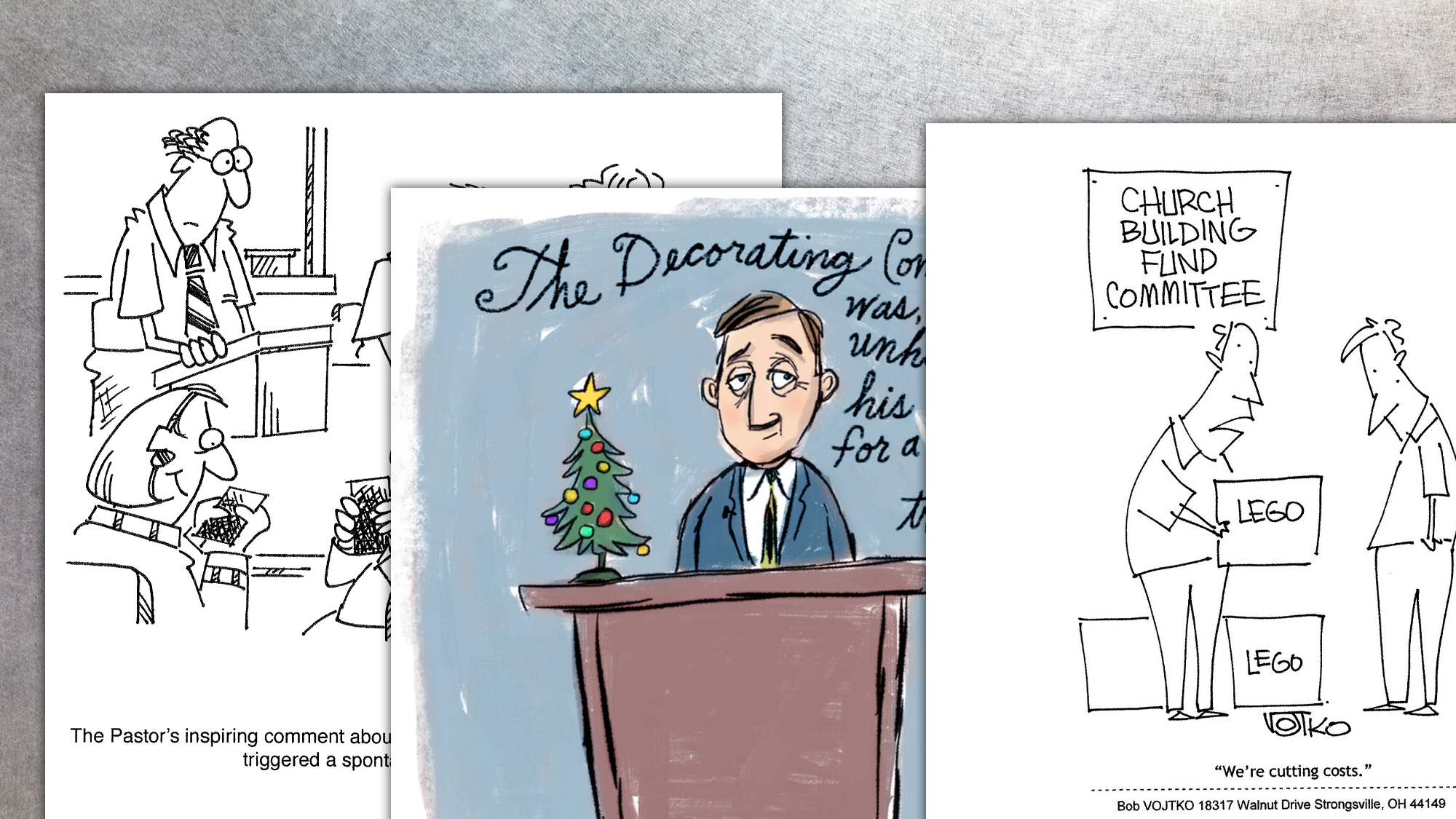
Preach hard stuff (in Timothy's day as well as ours) and you run the risk that people will leave the church, or that they will make the preacher leave the church. I am reminded of the cartoon in which the preacher says to his wife, "I told them the truth, and they set me free." Admittedly, preaching hard stuff risks losing friends, lowering financial giving—and attendance.

Timothy, it appears, softened rather than toughened his words when he needed to. There are hints that he was guided by his fears, that he had a weak stomach, that he quickly gave ground when he was challenged. Paul—no stranger to these issues—puts it bluntly: Timothy, stop it! Grow up! Be the "prophet" God called you to be! Don't let anyone back you into a corner.

People pleasers

Here is the subtle snare for us "nice guys." We don't like to be hurt, and we don't like to hurt others. We love unity, harmony, happiness in the body. And we drift into the trap of thinking that the best way to achieve that is to avoid hard stuff.

I bet Timothy spent sleepless nights brooding on anyone who criticized his leadership, who opposed his efforts. I imagine he tried to woo people back into his favor. And—I'm guessing here—that he was tempted to pull punches when preparing sermons whenever he realized that a certain comment might offend key people in the congregation.

Early in my own ministry a board chairman whom I loved and respected became ...

log in

To view the rest of this article, you must be a subscriber to LeadershipJournal.net.
Print subscriber? Activate your online account for complete access.

Related Training

from BuildingChurchLeaders.com
Offer Love and Hope … One Child at a Time

Offer Love and Hope … One Child at a Time

During National Mentoring Month, let's remember Jesus' command to reach out to "the least of these."
Good Question!

Good Question!

Whether asked by children or adults, sincere questions about faith deserve our attention—even when they come at inconvenient times.

Not a Subscriber?

Subscribe Today!

  • One risk-free issue
  • Instant access to all Leadership Journal web content
  • OFFER DETAILS

Print subscriber?Activate your online account for complete access.

From Powerlifter to Powerless

Meditation

From Powerlifter to Powerless

How physical debility strengthened my reliance on God.

Why Civic Engagement Belongs in Every Church's Mission Statement

This Is Our City

Why Civic Engagement Belongs in Every Church's Mission Statement

Churches can commission their members to vocationally bless their community, says California pastor Michael Decker

more | current issue

Christian Bible Studies

Unbalanced Blessings

Unbalanced Blessings

The balancing act of...

Books & Culture

Quiet

Quiet

Shhh! Introverts working...

Preaching Today

NFL Star Junior Seau Searched for Peace

Small Groups

Prepare with Prayer

Prepare with Prayer

Don't leave out this...

Shopping
Scripture Search
Go Deeper