

Jump directly to the content
subscribe:
magcover

Already a subscriber?

Home > Issue > 2009 > Winter > When Details Get You Down
Average rating:

PREVIOUSFIRSTPAGE 1 of 6NEXTLAST

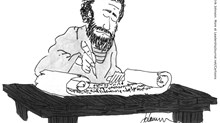
How can I maintain a spiritual life while dealing with people's incessant problems and needs? The question didn't originate with a pastor whose cell phone kept interrupting his prayer life. It goes back at least as far as Gregory, the first practicing monk to be elected, over his own objections, to the papacy. Gregory (540-604) preferred the life of solitude and contemplation, but it was his abilities as a leader as well as his writings on the integration of the inner life with active ministry that that caused him to be called, "Gregory the Great." When he became pope in 590, Rome had been attacked for several years by the Lombards, a fierce Germanic tribe that had crossed the Alps to plunder the Eternal City. The emperor, distant in Constantinople, was distracted by a war with Persia, and could not offer aid to Rome. The years of war, famine, and plague had prompted Rome's senatorial class to flee the city, when meant that the newly-elected Pope Gregory I was the only civil authority left. So he was immediately thrust into managing supplies and troop movements, and negotiating with terrorists.

In July 592, he averted disaster by negotiating a difficult peace with a local Lombard duke. But the following year the worst occurred: the Lombard king himself, Agilulf, besieged Rome. In an act unprecedented in the history of the papacy, Gregory met Agilulf on the very steps of St. Peter's to negotiate. With diplomatic words and generous tribute, Gregory persuaded the marauding king to leave the city untouched.

Thus Romans came to owe their pope more than a spiritual allegiance. Gregory's "secular" responsibilities extended far beyond relations with the Lombards. He gave leadership as Rome suffered under plague, flooding, and crop failure.

Gregory lamented, "Cities have been destroyed, fortifications overthrown, provinces depopulated, no cultivators occupy the land. …" Every fresh crisis demanded an a response. How hard for a "monk pope," amid the maelstrom, to find time for his first passion—the exercises of devotion and prayer.

Every pastor today who is torn between preparing reports for the next elders meeting or spending time in study and prayer recognizes the tension: busyness vs. intimacy with Christ, Martha's service vs. Mary's worship.

This was Gregory's continuous struggle, and his writings on the balance between those two was perhaps his greatest legacy. In his Pastoral Care, Gregory formulated a pattern of spiritual renewal in the midst of busyness, spiritual leadership amid secular demands. No wonder the Roman Catholic Church, for centuries, put Gregory's writings into the hands of every newly consecrated bishop.

The Making of a Prefect/Priest

Born into a wealthy family and educated in grammar, rhetoric, law, and letters, Gregory was well prepared for public service, and in 573 he served as prefect of Rome, the highest civil position in the land, overseeing the city's police force, food supply, and finances. But the work left Gregory unsatisfied. His heart was troubled.

PREVIOUSFIRSTPAGE 1 of 6NEXTLAST

Related Training

from BuildingChurchLeaders.com
Ordaining Every Member

Ordaining Every Member

How to empower everyone to be an active part of "the church."
Parents: Stop Praying for Your Kids

Parents: Stop Praying for Your Kids

Before passing along this advice to parents in your ministry, please read this article.

Not a Subscriber?

Subscribe Today!

  • One risk-free issue
  • Instant access to all Leadership Journal web content
  • OFFER DETAILS

Print subscriber?Activate your online account for complete access.

rating & comments

Average User Rating: Not rated

Rate and comment on this article: *

Low

High

1000 character limit

* Comments may be edited for tone and clarity.

From Powerlifter to Powerless

Meditation

From Powerlifter to Powerless

How physical debility strengthened my reliance on God.

Why Civic Engagement Belongs in Every Church's Mission Statement

This Is Our City

Why Civic Engagement Belongs in Every Church's Mission Statement

Churches can commission their members to vocationally bless their community, says California pastor Michael Decker

more | current issue

Christian Bible Studies

Unbalanced Blessings

Unbalanced Blessings

The balancing act of...

Books & Culture

Quiet

Quiet

Shhh! Introverts working...

Preaching Today

NFL Star Junior Seau Searched for Peace

Small Groups

Prepare with Prayer

Prepare with Prayer

Don't leave out this...

Shopping
Scripture Search
Go Deeper