
A Richer Blend
Biblical worship combines tradition and innovation, planning and spontaneity.
Bob Kauflin | posted 2/13/2009
 1 of 5

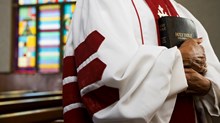
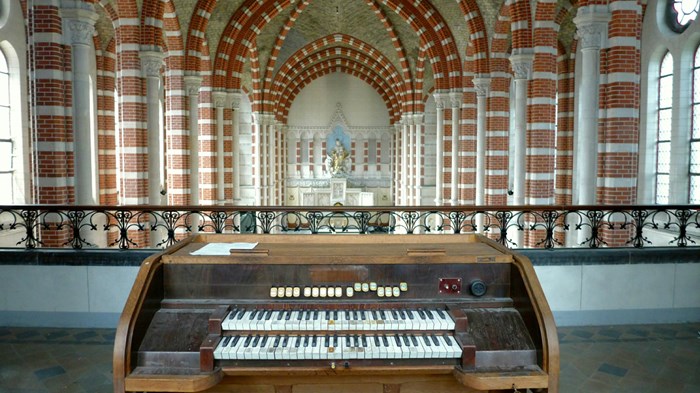
Back in the 1970s, my wife and I were part of an inner-city church in Philadelphia that met in a classic church building. You know, steeples, stained glass windows, solid red doors, and musty smells. Walking into one of our Sunday services as a guest, you might expect creeds, hymns, solemnity, and an appreciation for traditions that had been passed down through the centuries.
But that's not what you would have found.
We were a Pentecostal-turning-charismatic church, caught up in the current outpouring of the Spirit. Our repertoire included a few hymns, but more frequently you'd find us belting out choruses, line-dancing around the pews, sharing testimonies, and listening for the voice of God through prophetic words. We were never certain where the Spirit would lead us or when the meeting would end. But one thing was sure—church was alive!
Our architecture and our enthusiasm were an unusual juxtaposition of old and new. Our structure said "history." Our meetings said "now." Many churches today combine old and new in ways that reflect more than architecture. Decisions about which historic traditions to keep, change, limit, or abandon have caused heated arguments, and even led to church splits.
I've spent three decades as a worship leader and two decades as a pastor trying to figure out how the "old" fits in with the "new," how to value both tradition and innovation without idolizing either.
Here are some of the things I'm learning.
The value of traditions
Traditions are fixed beliefs and activities passed from generation to generation that both express and encourage biblical faith. Some are man-made, and some are God-given (Deut. 6:6-7). Christianity wouldn't exist without them. Our faith is rooted in God's redemptive history and fueled by the retelling of that history through the preached word and repeated practices.
In the Old Testament, God instituted the Passover meal for his people and told Moses, "Therefore you shall observe this day, throughout your generations, as a statute forever" (Ex. 12:17). That's a tradition.
Faith is fueled through the preached word and repeated practices.
The Israelites were given rules at Mount Sinai about offering sacrifices, keeping the Sabbath, and attending annual feasts. More traditions.
When Nehemiah returned with the exiles from Babylon, he led them in celebrating the Feast of Booths as "the LORD had commanded by Moses" (Neh. 8:14). Traditions were an ongoing part of life for God's people.
When Jesus arrived, he warned against putting new wine in old wineskins (Mt. 9:17), but he never intended to abolish all traditions. His early life was shaped by the traditions of the synagogue, but he had no problem redefining traditions. He gave new meaning to the Passover meal when he commanded his followers to "do this in remembrance of me" (Lk. 22:29). Paul said to celebrate the Lord's supper until Christ comes again. So far, that's been a 2,000-year tradition.
The early church, energized by the outpouring of the Spirit, devoted themselves to specific activities: "the apostles' teaching and the fellowship, to the breaking of bread and the prayers" (Acts 2:42, ESV). In the midst of healings, miraculous escapes, and widespread spontaneous conversions, they still thought it important to continue in repeated and historically rooted practices. Prayer. The Lord's supper. Fellowship. And passing along the authoritative teaching of the apostles.
Since those days, the church has developed many other traditions, not all of them helpful or even biblical. But at their best, traditions can help protect doctrinal purity, regulate a comprehensive theological diet for the church, and strengthen unity through group repetition.
Browse More Leadership
Home | Building Leaders | Community Life | The Pastor
Preaching/Worship | Trends & Columns | Help Us Help You
Church Resources | Out of Ur Blog | Archives | Contact Us
 |
|
 |
 |
 |
 |
 |
Try an Issue of Leadership Free!
 |
 |
|
 No credit card required. Please allow 4-6 weeks for delivery. Offer valid in U.S. only. Click here for International orders.
If you decide you want to keep Leadership coming, honor your invoice for just $22.00 and receive three more issues, a full year in all. If not, simply write "cancel" across the invoice and return it. The trial issue is yours to keep, regardless.
Give Leadership as a gift
Buy 1 gift subscription, get 1 FREE!
|
|
 |
 |
 |
 |
 |
|
 |
|  |
 |