



In Matthew 18:17, Jesus imparts the authority to deal with sin directly to the local congregation. He delegates that authority not to pastors, presbyteries, bishops, boards, or denominations but to the members of the church gathered under the authority of the Word. Paul echoed this instruction with even greater detail in 1 Corinthians 5.
Accountability, purity, and faithfulness are best inculcated and proliferated in local congregations committed to believing and practicing the Word of God in community, humility, and transparency. Only the church has the guarantee of Jesus’ presence and the Holy Spirit’s guidance. This belief in the absolute autonomy of each church under the lordship of Jesus Christ is the bedrock ecclesiology guiding the churches of the Southern Baptist Convention.
This core ecclesiology is both the animating genius and the daunting challenge of our network. We work together because we want to, not because we must. We are not a denomination; we are a convention. We do not have a defining creed that compels every church; we have a voluntary general statement of faith to which churches may or may not formally assent (though it is mandatory for our institutions and missionaries).
No church is required to pay dues to the convention. Each church gives what it wants when it wants. Every month is an act of faith that churches will continue to send enough money to keep their institutions operating.
This network of churches is so loose that no one really knows how many churches comprise the SBC. Once a congregation is considered a cooperating church, to exit it must either remove itself and inform the Executive Committee that it has done so or act so egregiously that the messengers to the annual convention take notice and remove it from fellowship. Consequently, many congregations that no longer exist or meaningfully participate are still counted.
This polity centered in the local church means that the only formal procedure available to the convention to deal with sinful practice or seriously errant belief is expulsion.
One might wrongly conclude that a quasi-denomination with no ecclesiastical hierarchy or control would be hopelessly ineffective. However, this network of local churches has fielded the largest evangelical missionary force in the world, built an unparalleled theological educational structure, established one of the leading relief agencies in the United States, and maintained a deep commitment to the truth of the Scriptures.
A convention of voluntarily affiliated churches that can cooperate to accomplish all of these things can surely find a way to deal adequately with sexual abuse and the moral failure of clergy, but the solution will always be grounded primarily in the local church, not the convention.
No polity has shown itself inherently superior to others in preventing sin. Hierarchical denominations, loosely organized networks, and independent churches alike have all proved themselves vulnerable to departure from truth and capable of great harm. The effects have always been horribly compounded when pastors, leaders, and church members neglect to confront and judge sin directly, openly, and resolutely.
Change will come only when local congregations claim the promise of Jesus—that when they gather in his name to deal with sin, he will be with them. And when churches fail to follow the mandate of Scripture, they must be treated as they should treat unrepentant members, and be removed.
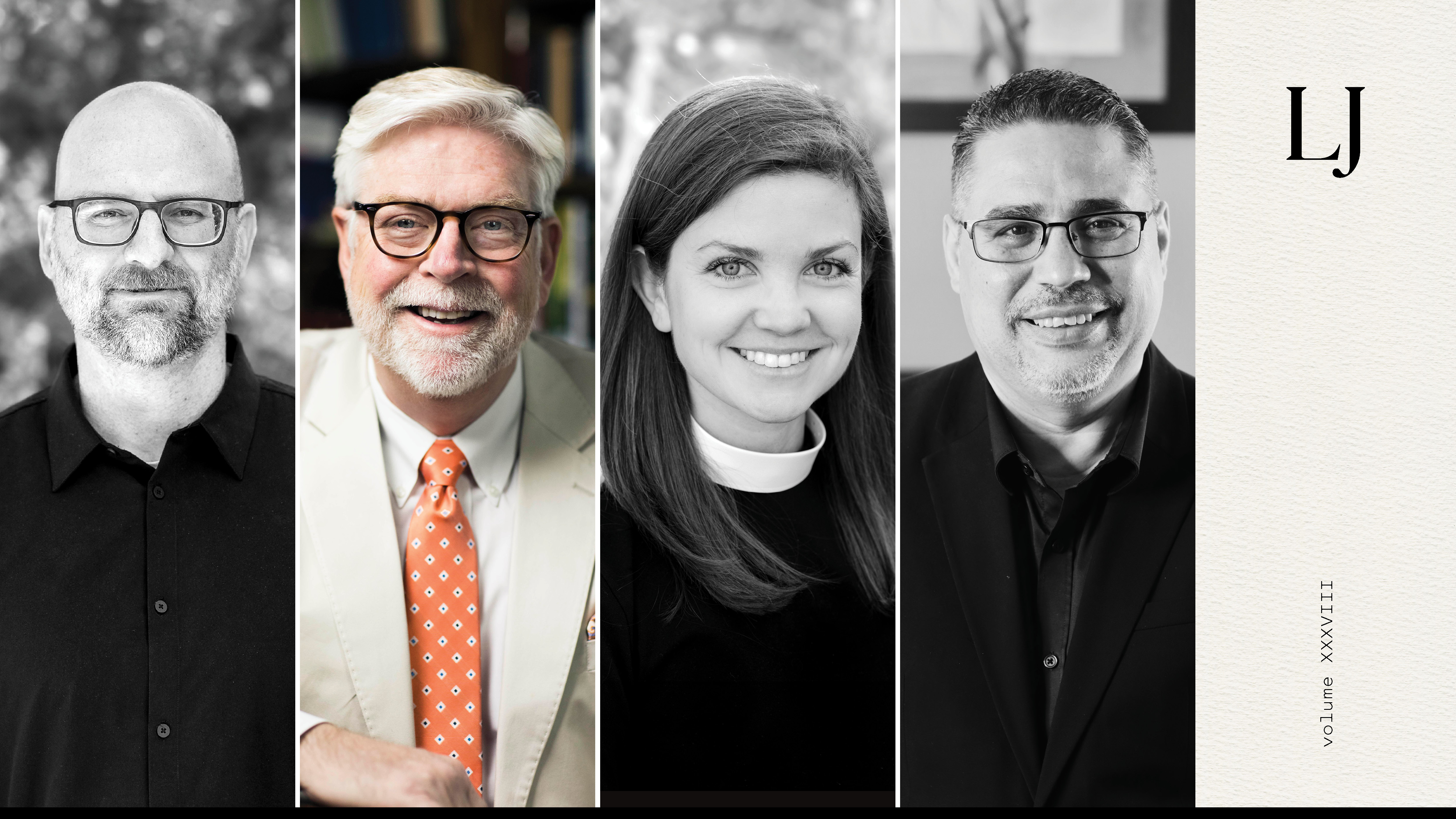
Hershael W. York is dean of the school of theology and a professor of Christian preaching at The Southern Baptist Theological Seminary and pastor emeritus at Buck Run Baptist Church.
In This Symposium
Proudly Independent. Humbly Collaborative.
Individual cooperation makes the Southern Baptist Convention a reckoning force.
I’m Grateful for My Bishop
Episcopal governance structure provides both discipline and care for its ministers.

A Marriage of Independence and Authority
A hybrid model of governance helps Assemblies of God churches succeed.