



It’s no secret that institutional trust is fading in the US. Most denominations are seemingly in decline. Many of us are jaded by narcissistic pastors, foolishly handled church discipline, and moral failure by those to whom we are supposed to submit.
But none of these statistics tells the full story. Many churches are paying more attention to good ecclesiology. They are taking church membership more seriously, reestablishing church discipline, reevaluating safeguards against abuse and authoritarian overreach, and offering holistic care for their pastors.
Still, the culture of institutional distrust has led some to wonder whether there is a “perfect” denomination or church governance structure that can best prevent abuse and uphold the healthiest culture. The answer? Probably not. Sin and evil can infiltrate any system even as leaders attempt to be faithful to Christ and Scripture.
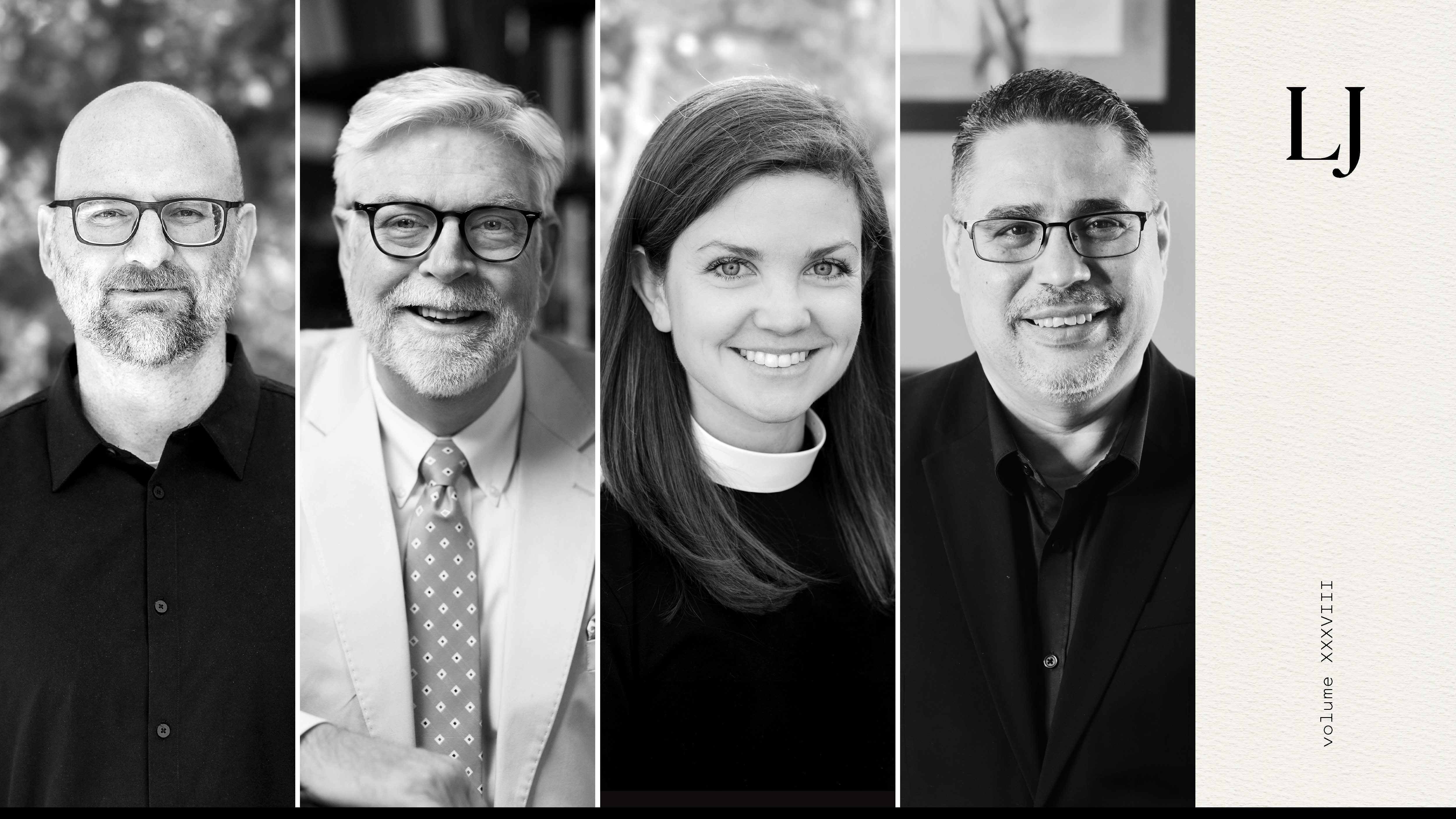
With these questions in mind, CT invited four church leaders and theologians from different denominations (Southern Baptist, Assemblies of God, and Anglican) to consider why they believe in their own models of church governance and authority, whether they are led by congregations, elders, or bishops.
Human sin will always require safeguards, and ideally, our authority structures will ever be sharpening.
Kara Bettis Carvalho is ideas editor at Christianity Today.
In This Symposium


Proudly Independent. Humbly Collaborative.
Individual cooperation makes the Southern Baptist Convention a reckoning force.

I’m Grateful for My Bishop
Episcopal governance structure provides both discipline and care for its ministers.

A Marriage of Independence and Authority
A hybrid model of governance helps Assemblies of God churches succeed.