Jump directly to the content
Subscribe:
magcover

Already a subscriber?

Home > Issues > 2002 > Fall > Faith Raising, Not Fund Raising

Does a building campaign change the way a church teaches stewardship? For our congregation, the answer is dramatic, but not in the way you might expect.

You see, for 15 years, our church did not own a building. Saddleback Community Church grew from a few people meeting in an apartment, to renting facilities in various schools, to meeting in a tent. Then in 1995, with over 10,000 regular weekly attenders, we built our first building. And now we're in the process of raising $14 million for additional facilities for our Children's Ministry Center.

Recently a journalist asked me, "For years your church found much of its identity in being a people without property. You had a pioneer mentality, not a settler mentality. Now you've got a multi-million-dollar campus, and you're adding on. How has that changed you, especially the way you teach stewardship?" My answer surprised him.

"It hasn't." And it's true.

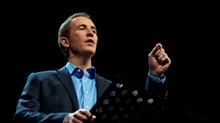
Our pastor, Rick Warren, is an entrepreneurial evangelist, whose personal anthem is "reach one more for Jesus." He's committed to seeing the church grow. In fact, he believes we're never going to stop growing, not because we simply want to get bigger, but because there are people around us who need Jesus. He doesn't want us to become settled in or satisfied with the status quo. He told us, "If any building gets in the way of reaching this community, we'll blow it up. If it starts making us feel too comfortable, we're moving."

This commitment to growth, spiritually and in community impact, has influenced every aspect of our church, including how we create a climate for growing generous givers.

Rather than viewing stewardship development as a "fund raising" program or annual giving campaign, we integrate it throughout our church culture.

We're not "stupid"


It all starts with how we approach the subject. No question, Rick Warren has a uniquely effective communication style, one that respectfully begins with where people are, irrespective of where that may be, and leads them toward what they were created for.

Recently, a guest speaker came and preached about stewardship. Though his message was right on the money, biblically speaking, he used phrases and logic noticeably foreign to our church's culture.

For instance, when talking about laying up treasure in heaven versus spending money on earthly things, he said, "God is telling us that spending money on stuff that isn't built to last is really pretty stupid. Now I don't know if you want to be stupid, but I don't."

True as that statement may be, being called "stupid," or even inferring it, is not something our people are used to hearing. Many in the crowd sensed a disconnect, wondering where that came from? That's just not how we teach at Saddleback.

By contrast, Rick would have preached the same biblical content by starting with how the world thinks about, worries about, obsesses about, and dreams about money. He'd summarize the philosophy and the results of managing money the world's way.

Then he'd compare that to ...

log in

To view the rest of this article, you must be a subscriber to LeadershipJournal.net. Activate your online account for complete access.

or
From Issue:Generosity, Fall 2002 | Posted: October 1, 2002

Related Training

from BuildingChurchLeaders.com
Locally Grown Leadership (Free Sample)

Locally Grown Leadership (Free Sample)

Discover the benefits of cultivating new leaders from within.
The Perils of Money

The Perils of Money

The Bible wisely warns about the ways money can hurt us.

Not a Subscriber?

Subscribe Today!

  • One risk-free issue
  • Instant access to all Leadership Journal web content
  • OFFER DETAILS

Print subscriber? Activate your online account for complete access.

Join the Conversation

Average User Rating: Not rated

Use your Leadership Journal login to easily comment and rate this article.
Not part of the community? Subscribe, or on public pages, register for a free account.
Login
or
Subscribe
or
Register
The 'Handicap Icon' Gets New Life

The 'Handicap Icon' Gets New Life

New York’s revamped accessibility symbol began at a Christian college.

Sponsoring a Movement

Sponsoring a Movement

Former sponsored children like Moses Pulei pay it forward in their hometowns.

more | current issue

Books & Culture

Our Lives, Our Fortunes, and Our Sacred Honor

Our Lives, Our Fortunes, and Our Sacred ...

The grand debate that...

Today's Christian Woman

The Perfect Wife Scorecard

The Perfect Wife Scorecard

I just knew I was failing...

Small Groups

Silence and Solitude

Silence and Solitude

These spiritual disciplines...

Out of Ur

Superman: Sermon Notes from Exile

Superman: Sermon Notes from Exile

Why I wrote sermon notes...

Shopping