

Jump directly to the content
Subscribe:
magcover

Already a subscriber?

Home > Issues > 2006 > Spring > State of the Art

PREVIOUSFIRSTPAGE 1 of 6NEXTLAST

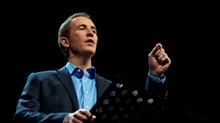
Andy Stanley is only a little larger than life. About a foot larger. On the screen in the West Auditorium of North Point Community Church, the image of Andy is a foot taller than life-size, but only a foot. He is high def and crystal clear. In the East Auditorium, where the video originates, Andy is onstage live. He is plain spoken. He connects well with his audience. The Sunday we were there, in his sermon on temptation, Andy references his own without drawing undue attention to himself.

Given his heritage as the son of Charles Stanley, eminent television preacher and pastor of the nearby First Baptist Church of Atlanta, one might expect Andy to exhibit the bearing of a great leader. And certainly, if numbers tell the story—with 20,000 attenders at the Alpharetta, Georgia, campus, plus the ten satellite locations across the South fed by his videos, and a remarkable following among younger leaders at the annual Catalyst conference—Andy is an exceptional leader.

But he comes across as, well, Andy. He is not hyper-spiritual. He avoids language that's too churchy. He seeks out counsel from a wide range of people. He refuses to make grand pronouncements in the name of the Lord. But when decisions are made, he wears them; when directions are set, he leads. Andy is in charge.

Editors Marshall Shelley and Eric Reed met with Andy to talk about what leadership looks like today.

What is distinctly spiritual about the kind of leadership you do?

Andy Stanley: There's nothing distinctly spiritual. I think a big problem in the church has been the dichotomy between spirituality and leadership. One of the criticisms I get is "Your church is so corporate." I read blogs all the time. Bloggers complain, "The pastor's like a CEO." And I say, "OK, you're right. Now, why is that a bad model?"

A principle is a principle, and God created all the principles.

So what's the principle behind the CEO model?

"Follow me." Follow we never works. Ever. It's follow me. God gives a man or woman the gift of leadership. And any organization that has a point leader with accountability and freedom to use their gift will do well. Unfortunately in the church world, we're afraid of that. Has it been abused? Of course. But to abandon the model is silly.

Churches should quit saying, that's what business does." That whole attitude is so wrong, and it hurts the church.

In terms of the shifting culture, I say thanks to guys like Bill Hybels and others who have been unafraid to say we have a corporate side of our ministry; it's going to be the best corporate institution it can possibly be, and we're not going to try to merge first century—

The church wasn't an organization in the first century. They weren't writing checks or buying property. The church has matured and developed over the years. But for some reason the last thing to change is the structure of leadership.

So why do pastors resist using business terms for leadership?

Because there are people in our congregation who have red flags go up.

PREVIOUSFIRSTPAGE 1 of 6NEXTLAST

Related Training

from BuildingChurchLeaders.com
10 Keys to Sustaining the Ministry Life

10 Keys to Sustaining the Ministry Life

These essential practices will prepare you for the long haul.
Starbucks and Your Next Retreat

Starbucks and Your Next Retreat

How to breathe new life into a tired staff or discover a whole new way of doing ministry.

Subscribe to read more

Subscribe Today!

  • One risk-free issue
  • Instant access to all Leadership Journal web content
  • OFFER DETAILS

Print subscriber? Activate your online account for complete access.

rating & comments

Average User Rating: Not rated

You must be a Leadership Journal subscriber to post comments
(on articles open to the public, you must at least register for a free account).
Login
or
Subscribe
or
Register
You Can't Think Your Way to God

You Can't Think Your Way to God

Christian formation means shaping our loves, says Jamie Smith, not just educating our minds.

Building Peace in the Heart of Darkness

Building Peace in the Heart of Darkness

Local Congolese Christians nurture new efforts to end chronic violence as UN adds new brigade.

more | current issue

Today's Christian Woman

Ministering to Military Families

Ministering to Military Families

Five tangible ways to...

Books & Culture

A Measure of Forgiveness

A Measure of Forgiveness

Memories of a British...

Small Groups

Conflict in Small Groups

Conflict in Small Groups

Work through conflict...

Out of Ur

Review: Missio Alliance Gathering 2013

Review: Missio Alliance Gathering 2013

Reflections on mission...

Shopping