


Discovering and Escaping Liturgy
For years I served on the staff of a megachurch with a very contemporary style of worship. We had a state-of-the-art sound system, large video projection screens, pop-rock music, and a sophisticated lighting system. The worship services were programmed to the minute: predetermined transitions, upbeat intro songs, announcements backed with PowerPoint slides, sermons crafted with felt-need application points, and abundant video clips.
The church was growing as several thousand people connected with the presentations each week. But at the same time the church was thriving with one generation, I began to notice that younger adults were not engaging as well as their parents. So I began listening to these young people to discover why they were not resonating with this way of doing church.
I repeatedly heard that they were longing for something less "programmed." At the same time, I began hearing questions about "liturgy," a word I'd never heard before. I was not raised in the church, and my only church experiences at the time had been at an organ-led Baptist church and the megachurch where I was on staff. Even in seminary, I had never been taught about liturgy (literally, the "work of the people") or ancient forms of worship. And ministry conferences I attended only seemed concerned with the newest, cutting-edge trends.
One young man left our church to become part of a small Orthodox congregation. I was curious enough that I decided to visit. It was unlike anything I had ever experienced. From the quietness and sense of history to the use of incense and chanting—I was intrigued.
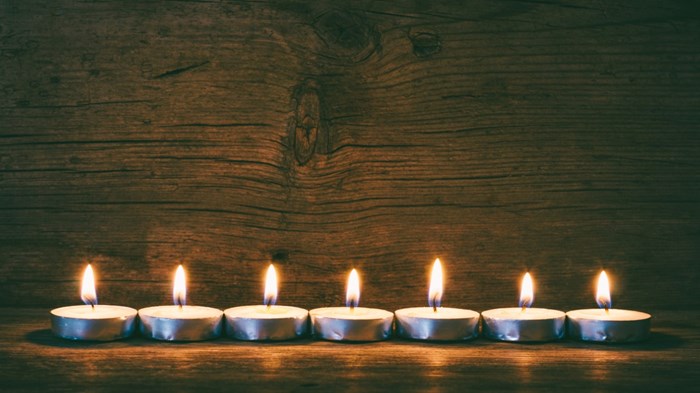
All of this led me to study the history of worship. I was suddenly made aware of the myriad ways the church has worshipped throughout history, and I decided to experiment with some of these forms in the young adult ministry I led. It sounds cliché now, but we started by darkening the room and lighting candles and incense. We began singing some hymns and the Doxology. We also recited readings and prayers from The Book of Common Prayer. One of the elders at the church was concerned. He asked me, "Are you going Roman Catholic on us?"
The older generation may have been confused, but the younger adults found the changes refreshing. All they had known in church was pop bands and video screens. The introduction of ancient practices helped them feel grounded and rooted to something bigger than themselves.
Then I spoke at a conference about our rediscovery of liturgy and tradition. The room was packed—by that time liturgy had become a very hot topic. During my presentation, a leader raised his hand and commented in a very disappointed tone.
"I don't understand," he said. "You're telling us that young adults are drawn to liturgy and ancient worship forms, but I serve at a liturgical church and our young people want to get away from liturgy and traditions. They think it's boring. I came to this conference to learn new ideas from contemporary churches. I want to move forward, ...
log in
To view the rest of this article, you must be a subscriber to LeadershipJournal.net.
Print subscriber? Activate your online account for complete access.
Related Training
from BuildingChurchLeaders.comSubscribe to read more
Subscribe Today!
- One risk-free issue
- Instant access to all Leadership Journal web content
- OFFER DETAILS