Note: “Explainer” is our newest addition to the series of features on Off the Agenda. Here editor Drew Dyck will tackle current ideas, movements, or whatever else people are talking about. He doesn’t claim to be the definitive expert on anything (yet), but just hopes to shed a little light.
Postmodernism: it’s a word you hear a lot these days. But ask what it means and you’ll likely get a blank stare–or a different definition each time you ask.
There’s good reason for the ambiguity. Postmodernism is not easy to define. And just when you think you have it pinned it changes shape, taking on different meanings in various fields such as art, architecture, and philosophy. Yet, as a worldview, postmodernism does have several identifiable characteristics.
The most succinct definition probably comes from the French philosopher Jean Lyotard, who famously defined postmodernism as “incredulity toward meta-narratives.” What does that mean? Basically that those big stories–the kind of overarching narratives by which we define reality–are regarded with suspicion. In a postmodern world no one story is large enough to contain the whole of reality, much less define it for all people.
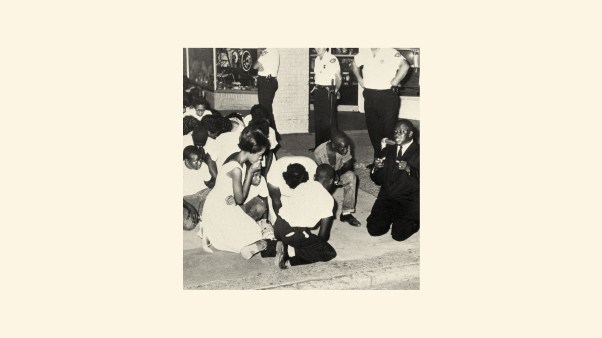
A second distinctive of postmodernism flows from the first: a concern for the marginalized. That’s one beef postmodern thinkers have with big stories: they tend to neglect the “little people.” Talk to postmodern thinkers about the wisdom of the Greeks, and they’ll remind you that the Greeks held slaves and subjugated women. Bring up the founding fathers of the United States; they’ll talk about the cruel conquest of the natives. Christian faith comes under fire too. For many postmodern thinkers the historical horrors of the Crusades and Inquisition cast a pall over the Gospel message.
A third characteristic is moral relativism. According to philosopher J.P. Moreland, “On a postmodernist view, there is no such thing as objective truth, reality, value, reason.” Since any absolutist claim invariably falls back on some narrative, it is dismissed. Therefore postmodern thinkers tend to shy away from any universally held truth. You’ve likely detected this influence in the language of our culture. Whenever people talk about a different “truth” for each person (an idea that would strike the ancients as absurd), they are paying implicit homage to postmodernism.
So how should we react to postmodernism?
First we must avoid extreme responses. Postmodernism is not the bogeyman. It’s no angel either.
Certain tenets of postmodernism do gibe with Christian truth. One can hardly open the Bible without seeing God’s concern for the poor and disenfranchised. Christ championed the cause of marginalized people and even linked his identity to the lowly (Matthew 25:45). Catholic theologians remind us of God’s “preferential option for the poor.” The Book of James stipulates that “pure religion” is attending to the needs of widows and orphans (1:27).
Yet other dimensions of postmodernism–such as moral relativism–are irreconcilable with a biblical worldview. It’s important to take a clear-eyed look at the various tenets of postmodern thought, and to find common ground that will enable us to share our faith. At the same time we must take tough stands against its more destructive incarnations, remembering that Christ’s truth will always clash with the gods of the age.