Book Notes

A splendid annotated edition of Jane Austen’s most famous novel.

Books & Culture October 20, 2010

In her introduction to this handsomely produced annotated edition, Patricia Meyer Spacks tackles off the bat the question that many readers may raise upon hearing of this book: Does Pride and Prejudice really need an elaborate explanatory apparatus? Sure, there are a few 18th-century idioms that might baffle the 21st-century reader (or slip by unnoticed and uncomprehended), but surely part of the novel’s power is that the forest stands even when a reader doesn’t grasp every last leaf.

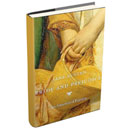
Pride and Prejudice: An Annotated Edition

Pride and Prejudice: An Annotated Edition

Belknap Press

464 pages

In response, Spacks contends that judicious annotations enrich our appreciation of the Austen’s narrative worlds, but the most persuasive argument is the annotations themselves. Starting with the very first entry—a brief discussion of why the novel’s memorable and famous first sentence is indeed so memorable and famous—Spacks’ annotations are illuminating. Some of the annotations are simply clarifications of vocabulary: “intelligence” means “information,” “unlucky” means “unfortunate,” and so forth. But many are more substantive: Spacks explores what the passive voice does at the end of chapter 3’s first paragraph; analyzes Mrs. Bennett’s narrative function in the novel; quotes from 18th-century moralistic literature to shed light on contemporary norms of femininity; and spotlights moments where Elizabeth’s character develops. The dozens of illustrations—a watercolor of Austen by her sister, for example, and images of late 18th-century drawing rooms—add a layer of visual delight and edification to the clarifying notes Spacks offers.

Lauren Winner is an assistant professor at Duke Divinity School. For the academic year 2010-11, she is a visiting fellow at Yale’s Institute for Sacred Music. Her book A Cheerful and Comfortable Faith: Anglican Religious Practice in the Elite Households of Eighteenth-Century Virginia is out this month from Yale University Press.

Copyright © 2010 Books & Culture. Click for reprint information.

Our Latest

Public Theology Project

When Christians Contemplate Assisted Suicide

Answering a reader’s tragic question requires more than a sound theology of hell.

I Failed to Mature as an Artist—Until I Learned to See

Drawing is a way of entrusting what I can see to the care and attention of God.

We Are Obsessed with Gender

With incoherent language trickled down from academic theorists, we think and talk about gender incessantly—and to our detriment.

Jesus Did Not Serve Grape Juice

Why reopen debate about what we serve for Communion? Because it matters that we follow God’s commands.

How A Pastor’s Book Inspired a New Rom-Com

Mike Todd’s book, Relationship Goals, gets a spotlight in a film aimed at both Christian and secular audiences.

The Russell Moore Show

Charles Marsh on Bonhoeffer’s 120th Birthday

What does it mean to follow Jesus when the state is demanding your loyalty—and the church is tempted to comply?

Bracing for ICE Raids, Haitians Get Temporary Reprieve

A federal judge on Monday extended deportation protections for Haitian immigrants. While they waited for the ruling, pastors in Springfield, Ohio, gathered and prayed.

How ChatGPT Revealed a False Diagnosis

Luke Simon

A devastating cancer diagnosis wrecked a young couple. But after five years of uncertainty, a chatbot changed everything.

Apple PodcastsDown ArrowDown ArrowDown Arrowarrow_left_altLeft ArrowLeft ArrowRight ArrowRight ArrowRight Arrowarrow_up_altUp ArrowUp ArrowAvailable at Amazoncaret-downCloseCloseEmailEmailExpandExpandExternalExternalFacebookfacebook-squareGiftGiftGooglegoogleGoogle KeephamburgerInstagraminstagram-squareLinkLinklinkedin-squareListenListenListenChristianity TodayCT Creative Studio Logologo_orgMegaphoneMenuMenupausePinterestPlayPlayPocketPodcastRSSRSSSaveSaveSaveSearchSearchsearchSpotifyStitcherTelegramTable of ContentsTable of Contentstwitter-squareWhatsAppXYouTubeYouTube