The first example of what we now call a “blog” dates back two decades, but it wasn’t really until the late ‘90s and early ‘00s that the platform took off among mainstream readers. Soon after came social media outlets Facebook (2004), Twitter (2006), Instagram (2010), and more.
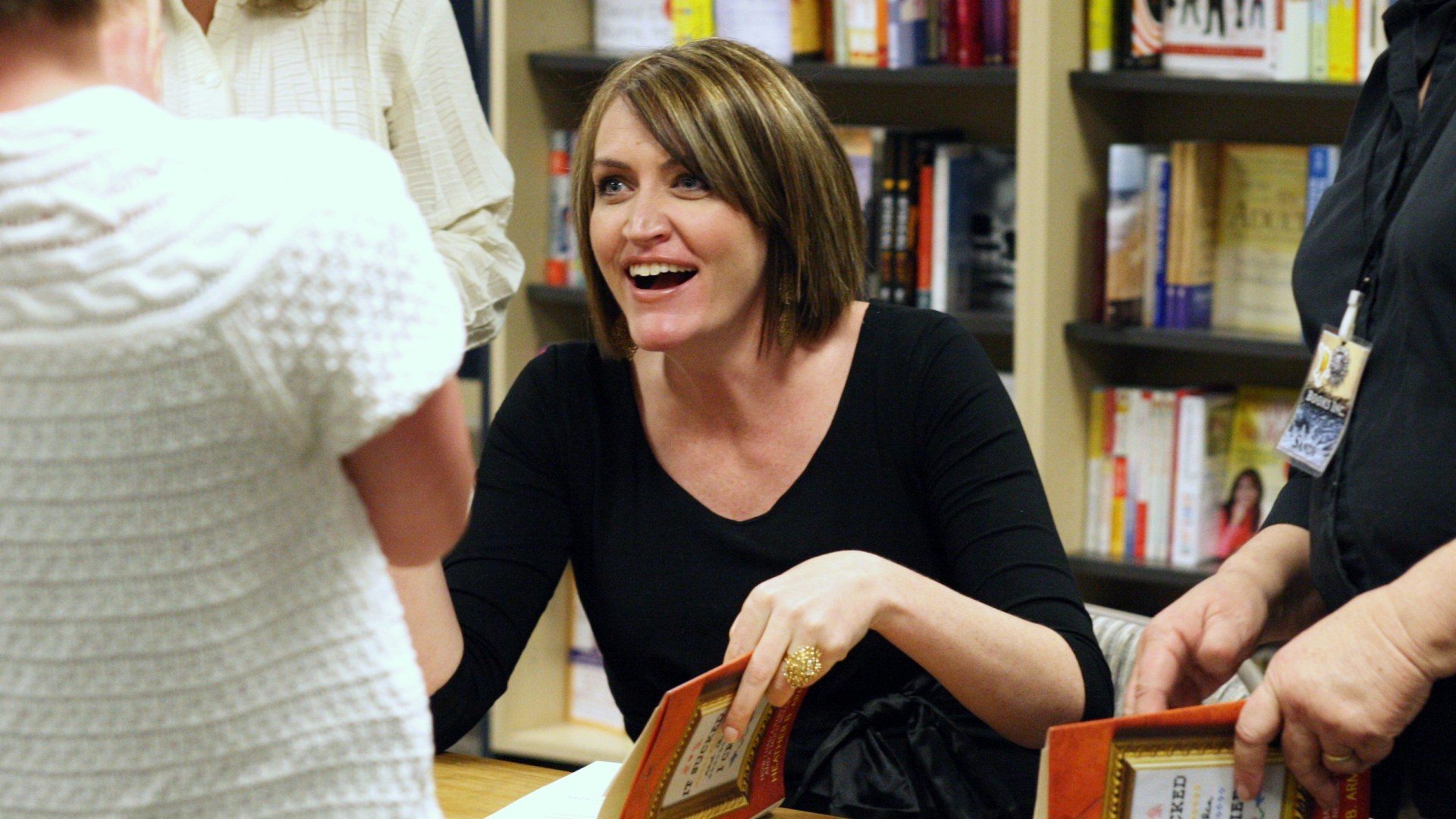
Back in the early days of blogging stood two very different writers: Andrew Sullivan, a journalist who helped to shape the genre as a vehicle for social commentary and analysis, and Heather Armstrong (aka “Dooce”), one of the original “mommy bloggers,” known for her humorous takes on home and family. She used her popular blog as a platform for advertising and for consumer protest, made even more famous by a certain dispute with Maytag about a washing machine.
Sullivan pioneered a new form of journalism that drew in tens of thousands of subscribers. Armstrong helped launch a whole subculture of women bloggers, herself making millions and amassing 1.5 million Twitter followers. Both helped define the genre and exemplify its breadth and potential.
And both have called it quits within the past few months. In addition to these departures from the blogosphere come celebrities who have publicly renounced their online presence on platforms like Twitter, including comedian Louis C. K. and director Joss Whedon.
Stepping away from the very platforms that shaped them and popularized their careers, these celebrities raise questions about the future of blogging in particular and of social media in general. In announcing their departures, Whedon, Sullivan, and Armstrong all mention wanting to move away from the barrage of “haters” who leave their reckless disagreements and insults in comment sections and replies.
Armstrong explains how even blogging has become eclipsed in the digital landscape: “Everything has been reduced to a small square on a phone,” she wrote. “Attention spans are now 140 characters long, sometimes as short as a video or a picture that self-destructs in a few seconds.” Whedon likened his behavior on Twitter to that of an addict. Sullivan provides a series of posts to explain his decision to leave, which can perhaps be summed up when he writes:
I am saturated in digital life and I want to return to the actual world again. I’m a human being before I am a writer; and a writer before I am a blogger … I yearn for other, older forms. I want to read again, slowly, carefully. I want to absorb a difficult book and walk around in my own thoughts with it for a while. I want to have an idea and let it slowly take shape, rather than be instantly blogged. I want to write long essays that can answer more deeply and subtly the many questions that the Dish years have presented to me. I want to write a book.
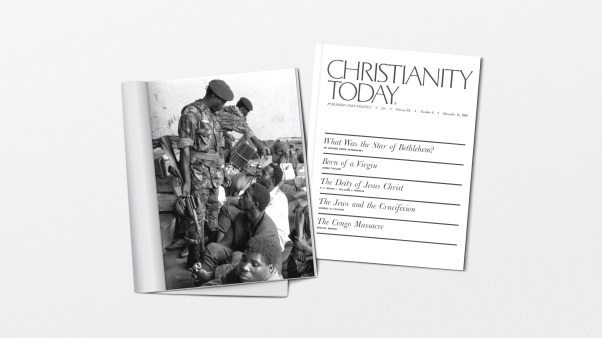
I never ascended the blogging ranks like Sullivan or Armstrong, and yet I too recently decided to complete my time as a regular blogger here at Christianity Today to pursue writing of a different sort. Like Sullivan, I yearn to slow down. Instead of creating post after post, I want to focus on writing that allows me more time and thought. Blogging itself—its immediacy, its informality, its conversational tone—is fleeting. There’s always an occasion for another update, another issue to comment on.
With such a transient, “what next?” mindset, bloggers and tweeters may experience what media theorist Douglas Rushkoff calls “present shock.” In his book of the same name, Rushkoff explains, “Our society has reoriented itself to the present moment. Everything is live, real time, and always-on. It’s not a mere speeding up… It’s more of a diminishment of anything that isn’t happening right now—and the onslaught of everything that supposedly is.” Our focus upon the present leads to “narrative collapse,” the end of storytelling, the end of understanding our place in the world as something with a beginning, a middle, and an end.
Perhaps writers like Andrew Sullivan—and storytellers like Louis C. K. and Joss Whedon—are responding to the tyranny of the present when they refuse to remain beholden to the constant information cycle of blogging and tweeting and posting photos online. Perhaps they refuse to believe in the inevitability of narrative collapse.
Like these celebrity bloggers and tweeters, I found the amount of anonymous vitriol that emerged in my blog’s comment sections personally demoralizing and discouraging. But it wasn’t simply because of a small handful of readers that I needed to stop blogging, nor because the Internet intrinsically offers no writing of substance or value.
Indeed, plenty of places (Her.meneutics included) host articles that engage lasting ideas through the lens of the present. Moreover, much good has been done through social media, from spontaneous fundraising efforts to social justice campaigns. Long-form journalistic pieces of high quality can be found online… though most often the posts that skyrocket to the top of the charts and go viral tend to be short, salacious, and/or controversial.
Moreover, our brains process words on a screen differently than words on a page. According to Maryanne Wolf, author of Proust and the Squid, reading online tends to impede our ability to read challenging novels and other longer works.
With the constantly changing and endlessly available content, and the pressure for writers to garner as many “clicks” as possible, the Internet lends itself to a loss of storytelling, and a loss of careful thought.
We need to preserve a place for storytelling that takes time, and thought, and care, storytelling that provides a sense of telos, of purpose and meaning and not just an ever-changing present reality. Such writing assures us of a moral arc to the universe, in Martin Luther King Jr.'s words, an arc that is long but leads towards justice, towards peace, towards the kingdom.
It will take time for the likes of Sullivan, Armstrong, Whedon, and C. K. to produce something outside the Internet, but I for one look forward to what they have to say when they have taken the time and care to say it slowly.