

Cover Story

Do You Believe a False Teaching?

Answer these questions to find out.

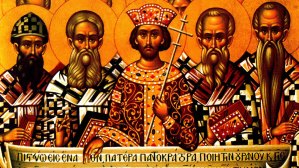
A 2014 survey conducted by LifeWay Research for Ligonier Ministries reveals that many American evangelicals hold views condemned as heretical by some of the most important councils of the early church. Nearly a quarter of participants believe false teachings about Jesus, and more than half about the Holy Spirit.

Find out if you are among them by answering “true” or “false” to the following statements.

1. God the Father and Jesus Christ are equally divine.

2. Jesus is a hybrid, partially divine and partially human.

3. God the Son is uncreated.

4. The Holy Spirit is a force

5. The Holy Spirit is less divine than the Father and the Son.

6. “Father,” “Son,” and “Holy Spirit” are three different names for one divine person.

Answers

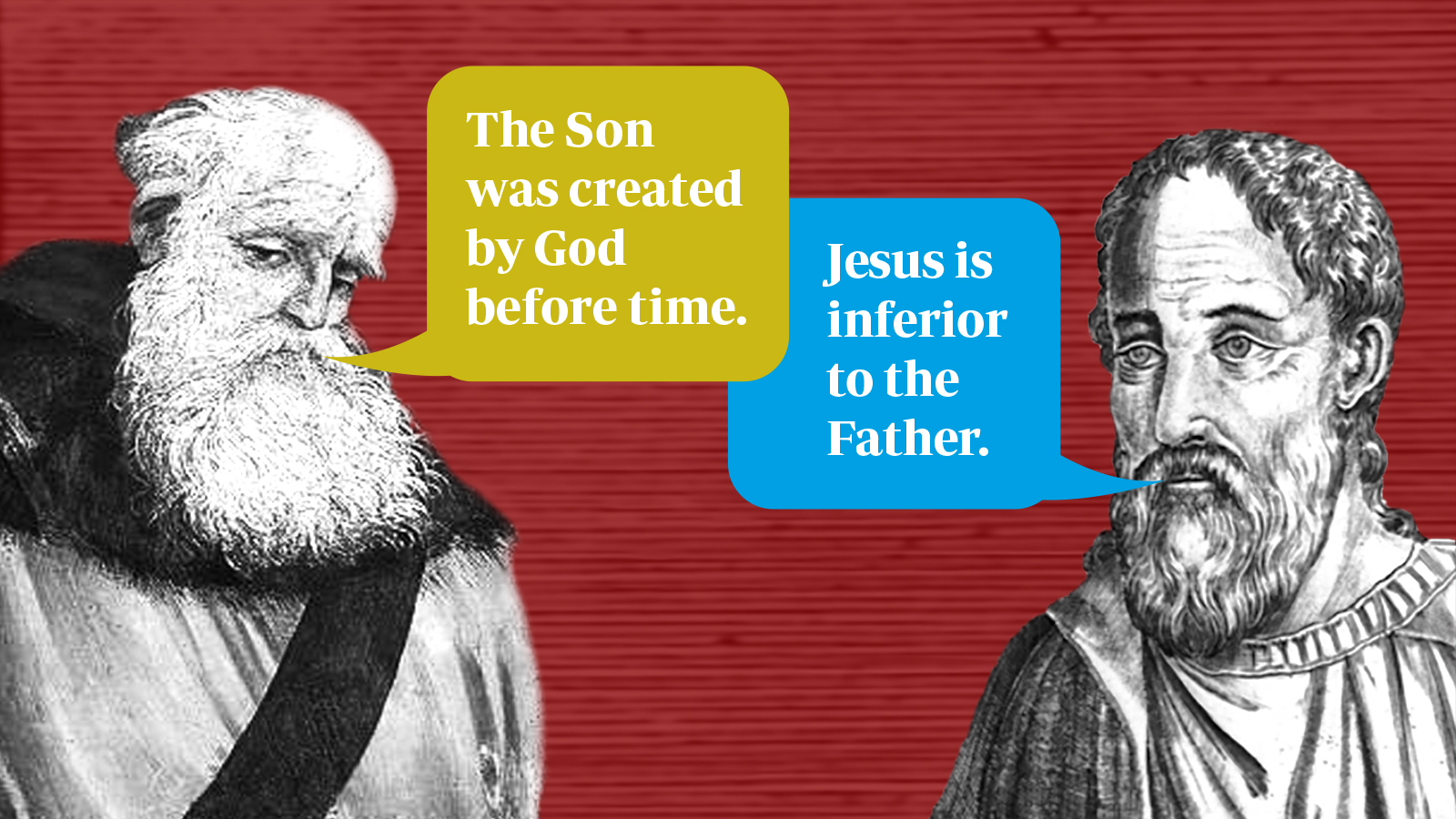
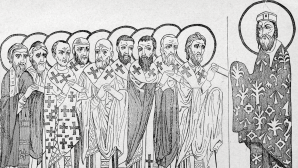
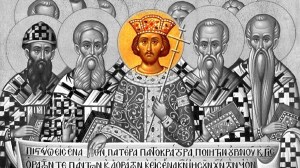
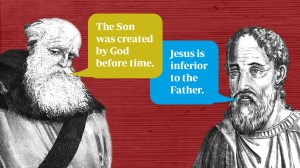
1. True. The Council of Nicaea in 325 affirmed that the Father and the Son are of the same divine essence, and condemned Subordinationism, which teaches that Jesus is inferior to the Father.

2. False. Apollinarianism, condemned at the Council of Constantinople in 381, taught that Jesus is not equally human and divine, but is one person with one nature. Jesus has a human body and soul, but a divine mind.

Related Reading: "History’s Biggest Heresies"

3. True. The Council of Nicaea affirmed that the Son is coeternal with the Father, and condemned Arianism, which taught that the Son was created by God before time.

4. False. The Council of Constantinople affirmed that the Spirit is coequal to the Father and Son, and condemned Pneumatomachianism, which taught that the Spirit was a created force or power, not a person of the Trinity.

5. False. Subordinationism, ruled out by the Nicene Creed, teaches that the Spirit is inferior to the Father and the Son. Similarly, some proponents of Pneumatomachianism, condemned at Constantinople (381), taught that the Spirit was of a different essence from the Father and the Son.

6. False. Modalism, ruled out by the Nicene Creed, teaches that God’s names (Father, Son, Holy Spirit) change with his roles or “modes of being” (like a chameleon).

The orthodox teaching on these issues is twofold:

1. The Father, Son, and Holy Spirit are coeternal and coequal in essence, power, authority, and glory. The three persons are distinct, yet are of one substance or nature.

2. Jesus is fully human and fully divine. Being one person, his divine and human natures remain unconfused, unchanged, indivisible, and inseparable; the properties of each nature are preserved in this union.

Grasping the difference between orthodoxy and heresy can seem like a game of “gotcha.” Wording can get technical because how a doctrine is expressed has serious implications for how we live and talk about our faith. While we are not justified by accuracy of doctrine, genuine trust requires a reasonable knowledge of that which—and more important, who—is being trusted.

It’s also good to remember that not all who believe false teachings are heretics. Each of us grows in our knowledge of the faith, and especially early on, we will likely imbibe one false teaching or another, until we are gently shown a better way.

Read CT's cover story: "The Truth About Heresy"
Also in this series

Also in this issue

The CT archives are a rich treasure of biblical wisdom and insight from our past. Some things we would say differently today, and some stances we've changed. But overall, we're amazed at how relevant so much of this content is. We trust that you'll find it a helpful resource.

Cover Story

History’s Biggest Heresies

Compiled by Kevin P. Emmert

Cover Story

Why You Shouldn’t Call That False Teaching a Heresy

Justin S. Holcomb

News

When Churches Get Burnt by the Offering

Sarah Eekhoff Zylstra

The Weird and Wonderful Church Drawings of John Hendrix

Testimony

From the Bahá’í Faith to Porn to Alpha to Jesus

Emily Armstrong

Excerpt

Don't Laugh, but I Think Theology Should Be Funny

Stanley Hauerwas

Can One Marriage Support Two Callings?

Dorcas Cheng-Tozun

A Pastor's Journey from Gay Pride Parades to the Pulpit

Our Beautiful, Broken Christian Ancestors

Was the Samaritan Woman Really an Adulteress?

Lynn H. Cohick

Review

Leaving Patriarchy in the Past

Craig L. Blomberg

News

The Christian Case for Not Giving Up on the World's Most Fragile State

Review

Are You Worshiping a Fake Jesus?

Will Willimon

The Justice-Forward Salvation Army

How Christian Institutions Can Stay Christian Amid Secular Pressure

Interview by Matt Reynolds

News

Can the Baker, the Florist, the Photographer, and the Clerk Win?

Compiled by Bob Smietana

A History Lesson

Reply All

A Beautiful Escape

Harold B. Smith

Wilson’s Bookmarks

John Wilson

New & Noteworthy Books

Matt Reynolds

Tent of Greeting

News

Gleanings: October 2015

CT staff

Editorial

Why We Need the New Battle for the Bible

View issue

Our Latest

Review

American Christianity Is More Than Its Politics

Matthew Avery Sutton’s impressive new history is insightful, helpful, colorful—and incomplete.

Janette Oke Wrote Her First Novel at 42. Then She Wrote 70 More.

Haley Victory Smith

The When Calls the Heart author launched the modern Christian romance genre, seeking to tell stories of faith in hardship.

News

Indian Court Rules Christians Can Hold Home Prayer Meetings

Despite this good news out of the state of Uttar Pradesh, believers remain concerned about the abuse of anticonversion laws.

The Bulletin

US and Israel Attack Iran

Mike Cosper and Clarissa Moll

Iran’s supreme leader Ayatollah Ali Khamenei killed in military action initiated by President Trump.

News

Trump Memorializes Trump on Buildings, Bibles, and More

The president’s penchant for renaming things after himself is unprecedented in American politics.

The Prosperity Gospel of Comfortable College Grads

It’s easy to see the errors of health-and-wealth grifters. But a subtler addition to the gospel misleads many believers.

Joe Espada in Spring Training

The Astros manager knows Christ is his Savior, not his win-generator.

Being Human

Are You Carrying Your Family’s Emotional Baggage?

How do family dynamics shape our lives and relationships?

Apple PodcastsDown ArrowDown ArrowDown Arrowarrow_left_altLeft ArrowLeft ArrowRight ArrowRight ArrowRight Arrowarrow_up_altUp ArrowUp ArrowAvailable at Amazoncaret-downCloseCloseEmailEmailExpandExpandExternalExternalFacebookfacebook-squareGiftGiftGooglegoogleGoogle KeephamburgerInstagraminstagram-squareLinkLinklinkedin-squareListenListenListenChristianity TodayCT Creative Studio Logologo_orgMegaphoneMenuMenupausePinterestPlayPlayPocketPodcastprintRSSRSSSaveSaveSaveSearchSearchsearchSpotifyStitcherTelegramTable of ContentsTable of Contentstwitter-squareWhatsAppXYouTubeYouTube