“So . . . who exactly is Tim Keller, anyways?”
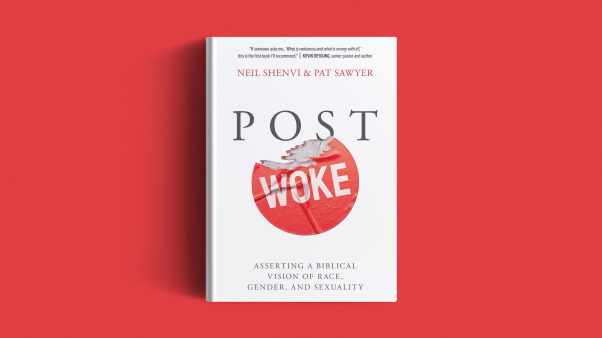
I can still remember when this question came from a longtime, faithful member of my church. At the time, I couldn’t believe he didn’t recognize the well-known, respected pastor of New York’s Redeemer Presbyterian Church. Had he not read The Reason for God? The Meaning of Marriage? Counterfeit Gods? Apparently not.
But really, why would he? Unlike me—who had spent a majority of his adult life in Christian ministry, swimming in theology and names like Chandler, Stanley, and Dobson—this faithful brother worked long hours and spent very little time online. He wasn’t on Twitter. He didn’t get the latest Christian book catalogues, and he probably didn’t know what a podcast was (lucky guy). What this brother did have, though, was an earnest desire to learn, study, and grow in his Christian faith—and he looked to me, his pastor, to let him know what he should be reading and consuming.
This is a part of ministry that isn’t often mentioned in Bible college, one that I was never taught: the task of filtering and curating reliable, helpful resources for the people of God.
This early ministry experience was a fresh reminder of the gap that can exist between pulpit and pew, leadership and laity. Church leaders often live in a rarified Christian bubble; it can be easy to assume that everyone else is aware of pieces of Christian thought and culture that are just not on their radar. This is why leaders need to be proactive about leaving those bubbles and getting into the lives of their people to learn the conversations they’re a part of—and, when appropriate, invite them to participate in new ones.
In many ways, pastors and other church leaders act as gatekeepers. Church members assume their leaders are filtering out the very best kind of Christian resources and regularly making those things available. Of course, Christian content can be found in a variety of sources outside the church walls: Christian radio, the Internet, bookstores. But for the most part, church members are busy living their lives—busy with kids, careers, and finances. They depend on pastors, elders, deacons, and other mentors to be curators, to sort through the stacks of Christian content, choosing good resources and discouraging resources that confuse or distort the truth.
In John 10, Jesus calls himself the Good Shepherd who protects his flock from wolves. In many ways, church leaders are given some of this authority in the church, and they use it both to feed God’s people good spiritual food and to lead them away from what can cause spiritual pain. Paul picked up these themes in his parting words to the church at Ephesus, urging the leaders there to take seriously their job as guardians of truth, curators of spiritual food.
This isn’t to say that an aggressive and authoritarian posture of content-policing is warranted, of course. I once did ministry in a culture that was closed to any outside voices and fearfully regulated the kinds of influences its people heard, and it did more harm than good. Instead, leaders can humbly embrace the influence they wield. We can be intentional—through our conversations, our writing, our social media platforms—to help our people become better students of Scripture, deepening their walk with their heavenly Father by introducing them to the many voices who can help them along the way.
“Curator” may not be something you see on your business card or in the job description at your church, but if you’re a church leader, it’s a task you have been given by God—whether you know it or not.