Theology

May We Be Shaped by the Songs of the Cross

Devotional readings for Lent from Christianity Today.

Illustration by Cassandra Bauman

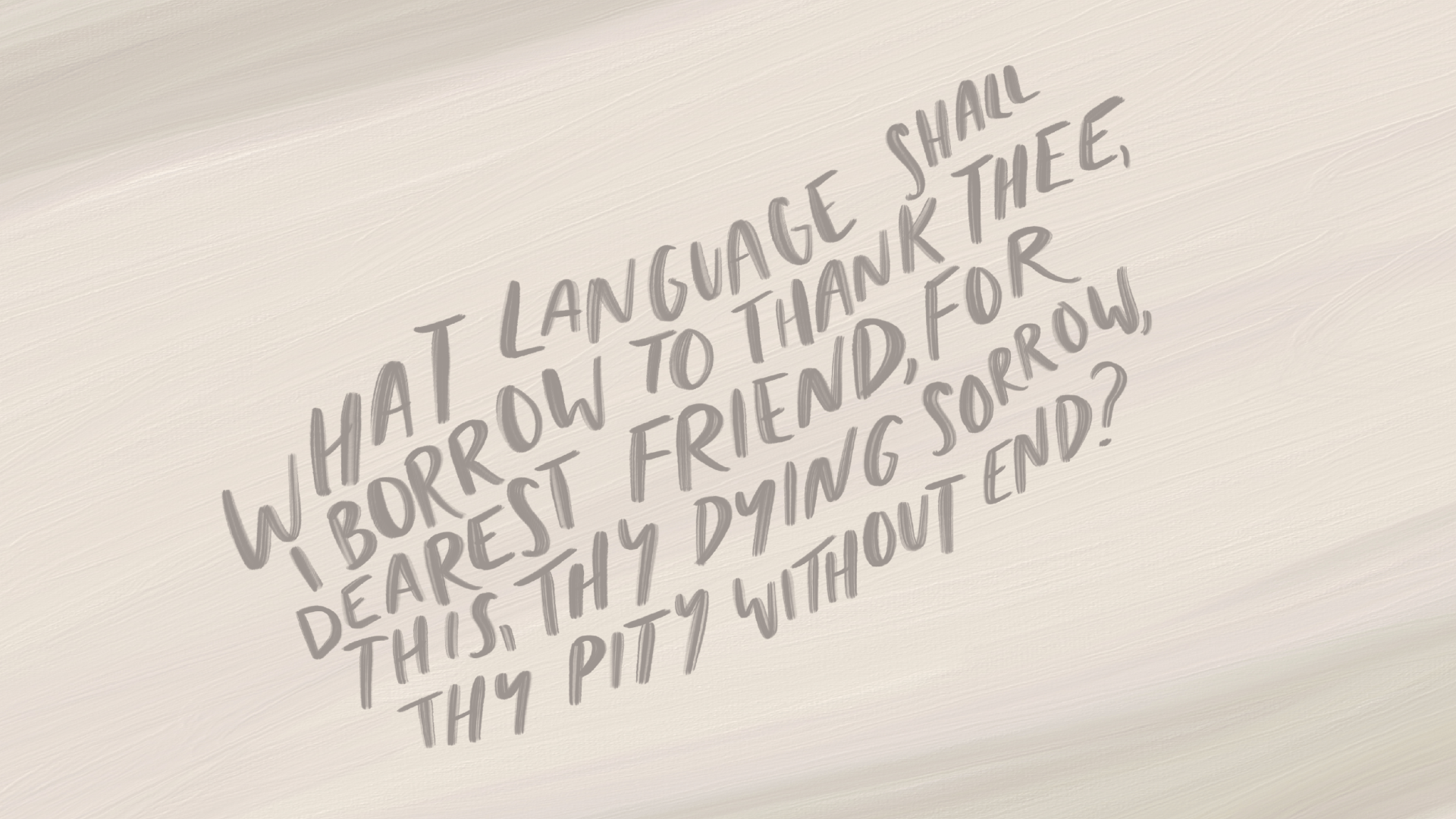
What language shall I borrow
to thank thee, dearest Friend,
for this, thy dying sorrow,
thy pity without end?

Each year during Lent and Holy Week I find myself singing this question, day after day, again and again. This line from “O Sacred Head Now Wounded” captures the utter wordlessness I feel as I contemplate the Cross. As I see Christ there, wounded and suffering. As I consider the deep, deep love of Jesus that compelled him to die for me and, indeed, for all the world. My own words feel meager and inadequate in response to the magnitude of this sacrifice. And so I borrow language to thank him.

We all do—and what a gift it is. We borrow the rich language of early Christian poetry, of hymnody and revival meetings, of spirituals sung out in defiance of injustice. And we hear, expressed in the music itself, truths that transcend words—sorrow and sacrifice, conviction and devotion, victory and joy.

The songs of the Cross give form and voice to the resounding response of our souls. As we sing them, consider them, and pray them, these songs help us enter into the meaning of Christ’s sacrifice. They express the Good News that reverberates even in the darkest moments of Jesus’ passion—and in the darkest moments of our own lives.

Listen to “O Sacred Head Now Wounded” and the rest of the songs featured in

The Wondrous Cross

here:
MoreCT.com/EasterPlaylist.

The Wondrous Cross is CT’s 2022 special issue for Lent and Easter. Each of the articles in this series draws upon a piece of music to reflect on Jesus’ death and resurrection—to wrestle with difficult questions, to meditate upon key moments in Christ’s passion, to delve into the mystery of salvation, and to celebrate Jesus’ victory over sin and death.

When we contemplate the wondrous cross, may this borrowed language give voice to our own worship as we fall before Jesus in gratitude and thank the Savior who is truly our dearest friend.

Kelli B. Trujillo is Christianity Today’s projects editor.

The Wondrous Cross features articles and Bible study sessions reflecting on the meaning of Jesus’ death and resurrection. You can learn more about this special issue that can be used during Lent, the Easter season, or any time of year at MoreCT.com/Easter.

Also in this issue

The songs of the Cross give form and voice to the resounding response of our souls. As we sing them, consider them, and pray them, these songs help us enter into the meaning of Christ's sacrifice. They express the Good News that reverberates even in the darkest moments of Jesus' passion—and in the darkest moments of our own lives. Each article in this devotional resource draws upon a piece of music to reflect on Jesus' death and resurrection—to wrestle with difficult questions, to meditate upon key moments in Christ's passion, to delve into the mystery of salvation, and to celebrate Jesus' victory over sin and death.

Our Latest

Christian Athletes to Cheer on at the 2026 Milan Cortina Winter Olympics

Annie Meldrum

Competitors in speedskating, bobsledding, the biathlon, and hockey speak about their faith.

Review

This ‘Screwtape for Our Times’ Will Challenge and Confound You

The Body of This Death is difficult to classify, difficult to read, and absolutely worth your time.

Being Human

Andrew Arndt: The Hidden Struggles of Public Figures and Why Real Community Matters

How do we identify coping mechanisms and begin a journey to wholeness?

The Russell Moore Show

Should I Leave My Church Over Calvinism and Arminianism?

Russell answers a listener question about whether a church’s differences over Calvinism and Arminianism mean it’s time to leave his church.

Was Abraham Lincoln a Christian?

In his younger years, Lincoln was a skeptic. But as he aged, he turned toward biblical wisdom—and not only when in the public eye.

Killing People Is Not the Same as Allowing Them to Die

And the church of Jesus Christ has to offer people a better way of thinking about life and dependence if we want to push against the horrors of euthanasia.

News

How CT Editors Carl Henry and Nelson Bell Covered Civil Rights

Michael D. Hammond

Trying to stake out a sliver of space for the “moderate evangelical,” the magazine sometimes left readers confused and justice ignored.

CT Reports from Nixon’s Trip to Communist China

In 1972, American evangelicals were concerned about religious liberty around the world and moral decline at home.

Apple PodcastsDown ArrowDown ArrowDown Arrowarrow_left_altLeft ArrowLeft ArrowRight ArrowRight ArrowRight Arrowarrow_up_altUp ArrowUp ArrowAvailable at Amazoncaret-downCloseCloseEmailEmailExpandExpandExternalExternalFacebookfacebook-squareGiftGiftGooglegoogleGoogle KeephamburgerInstagraminstagram-squareLinkLinklinkedin-squareListenListenListenChristianity TodayCT Creative Studio Logologo_orgMegaphoneMenuMenupausePinterestPlayPlayPocketPodcastprintRSSRSSSaveSaveSaveSearchSearchsearchSpotifyStitcherTelegramTable of ContentsTable of Contentstwitter-squareWhatsAppXYouTubeYouTube