
Twelve years ago, I lost my wife. I don't mean like that: I mean I physically lost her. Misplaced her. Couldn't find her where I left her.
We were spending Saturday in Victoria, an idyllic seaside city not far from where we live. We were dallying in curio shops and boutiques and bookstores. I went to feed the parking meter. When I returned, she was gone.
Over the next hour, I searched for her in a rising pitch of fear and frustration. When I finally did find her, eight blocks away, she claimed we'd arranged to meet at the restaurant where we planned to have lunch. This was news to me.
It was an historic day, not only because I'd lost my wife, but because that day I decided to break a blood oath—that I'd never own a cell phone.
I prided myself on cell-phone-freeness. I disdained those who had them. I made loud, smug pronouncements about how I would never let my soul be captive to a mere device, my solitude invaded by it, my independence subjugated to it. I would remain fiercely, proudly free.
But after that day, I caved.
Since then, I've owned five cell phones. I'm currently on my second iPhone. Some days, I curse myself for my cheapness, for not upgrading to the version with the talking girl inside it, who argues with you and calls you "Boyfriend" if you want her to. I get frustrated when the Internet isn't fast enough. I check my email too often. The ping of a text message arriving is more hypnotic to me than Sirens singing. When I'm bored, I flip through the menu of ringtones, wondering if the 70's rock anthems I prefer are suitably pastoral enough.
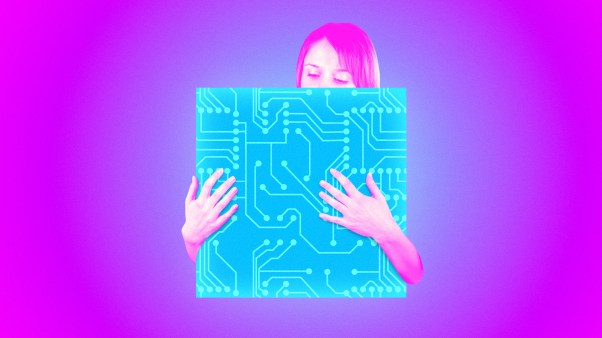
A few months ago, I forgot the thing on my desk at work and had to spend a night without it. I felt orphaned, naked, imperiled—a mix of emotions that alerted me that something was wrong. How did I go from blood oath to stranglehold? How did this thing become a talisman, a taskmaster, a hook in my flesh? Why did something I'd lived free of for 40 years become something I could barely survive the night without?
How did I become a digital junkie?
The benefits of digital technology are ample. It's created a world without borders—indeed, without geography. Skype brings those far away near, social networks resurrect old friends, keep new friends close, and allow us to rummage through each other's photo albums. Now I can locate my wife in Walmart while texting my daughter in Quebec while cost comparing the tool I'm thinking of buying.
What's not to like?
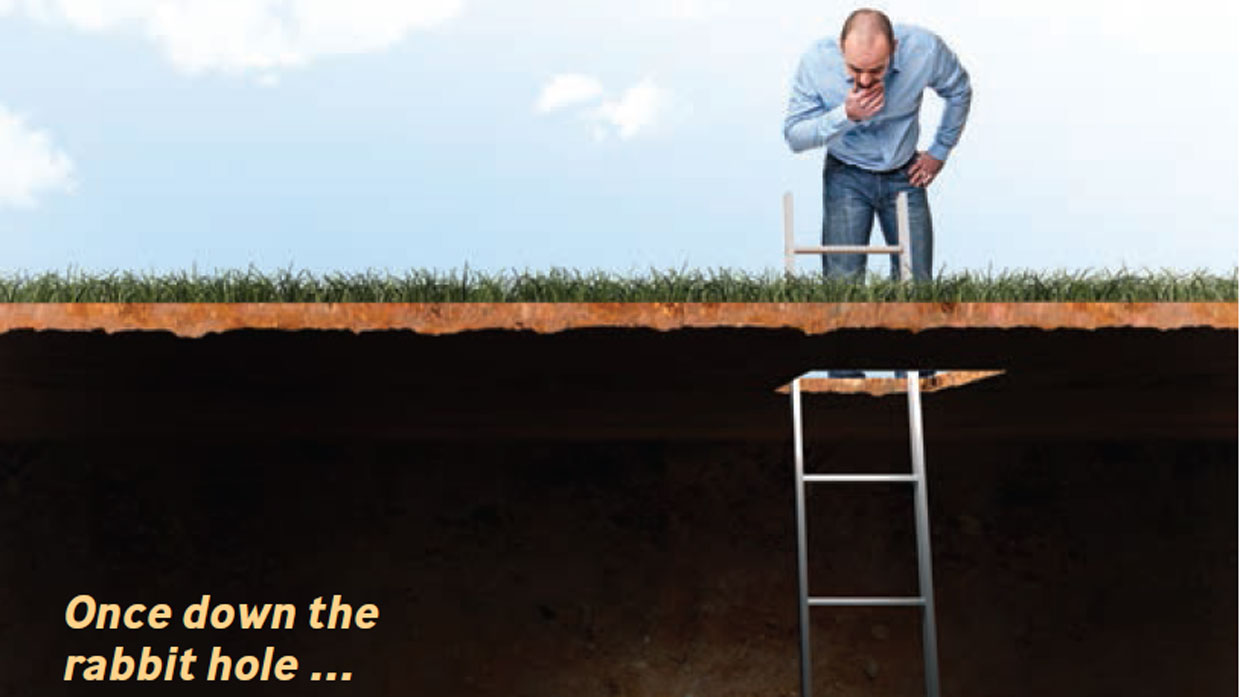
Well, that sometimes the whole thing is a giant rabbit hole; once you fall in, it's hard to find your way out. That all these gizmos are just as likely to deaden wonder and erode intimacy as awaken it. Who hasn't been with someone who's more interested in texting than in talking, in checking their Facebook than in looking you in the face? Who hasn't done the same to someone else?
How then shall we live? How do we pastor in such a world?
Well, the world has always been filled with good things that easily become snares, banes, idols. It's always teemed with distraction, brimmed with stuff both promising and dangerous. Fire. Music. Sex. Relics. Money.
This isn't new. It's just closer at hand. Now we're all little tyrants, able to command what we want when we want it. Now we're all potential slaves, easily mastered.
But the old verities prevail. In every age, we are commissioned to call men and women to love the Lord our God with all their heart, soul, mind, and strength, and to love their neighbor as themselves. And though we must repent of our e-avoidance and half-measures, the message itself is not compromised just because it's tweeted.
Mark Buchanan, former pastor of New Life Community Baptist Church in Duncan, British Columbia, is now associate professor of pastoral theology at Ambrose Seminary in Calgary.
Copyright © 2013 by the author or Christianity Today/Leadership Journal. Click here for reprint information on Leadership Journal.