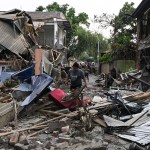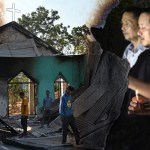
It’s been more than two years since Lamjagou Vaiphei, a fish farmer from the northeast Indian state of Manipur, last saw his home. He watched as Meitei militant groups burned down his entire village in Kangpokpi, including his church, during the ethnic violence that erupted between the Meitei and Kuki-Zo communities in May 2023.
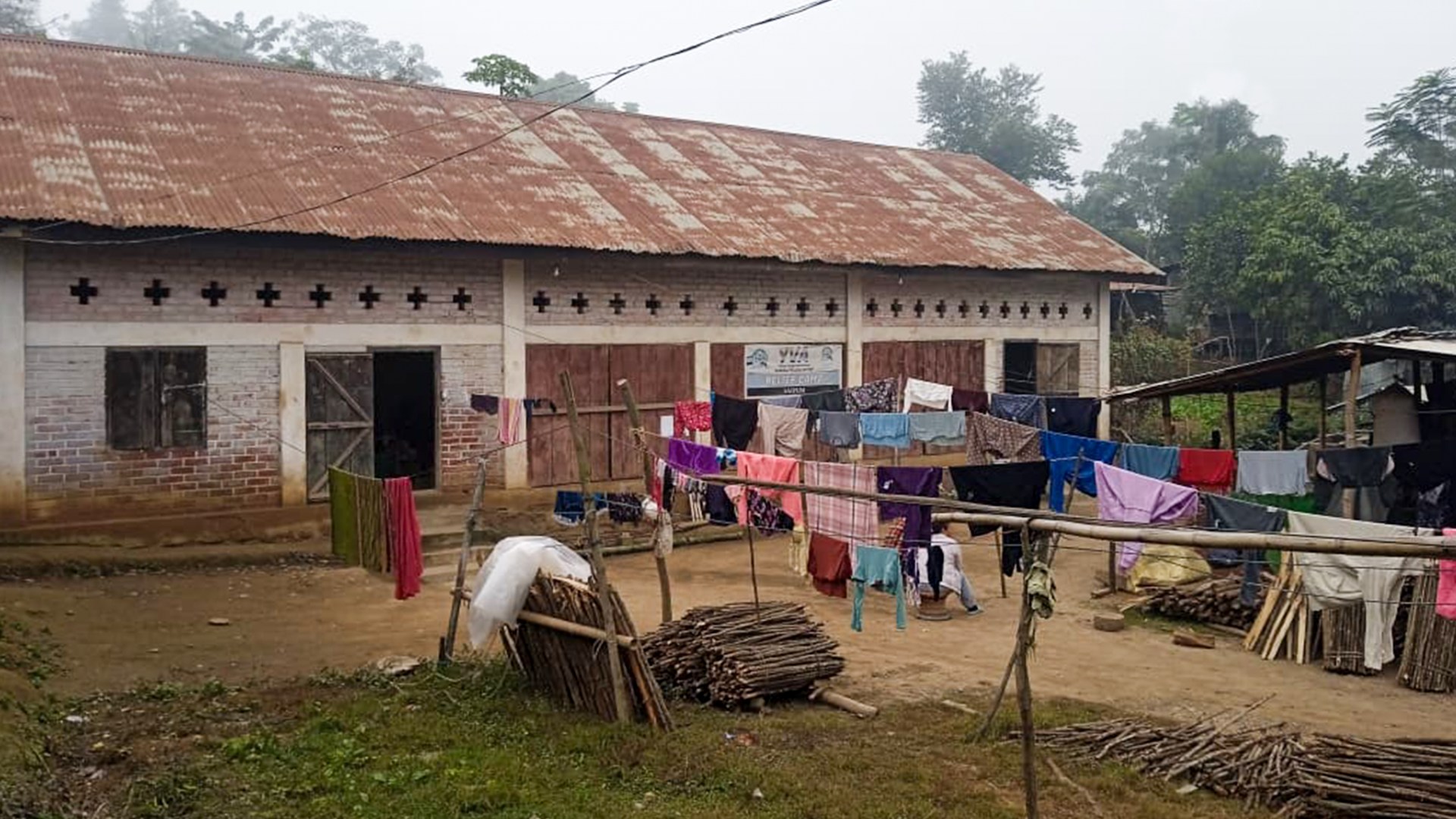
After escaping the violence, he and fellow villagers have been living in a community-run relief camp in Churachandpur, about 107 kilometers away. Returning to their village is unsafe, Lamjagou said, as Meiteis still occupy a stronghold around the area. The government hasn’t mediated any peace solution between the communities.
The unrest began in after the High Court of Manipur asked the government to grant tribal status to the Meiteis, Manipur’s largest ethnic group. It makes up 44 percent of the population, and the people are largely Hindu.
This upset the majority-Christian Kuki-Zo community, which makes up 25 percent of the population and mostly occupy the hill area. They feared that if Meiteis gained tribal status, they would lose their own protections and land.
Peaceful protests escalated into violent clashes between the people groups, with more than 60,000 people displaced and 260 killed.
Since 2023, the displaced have lived in more than 280 internally displaced people (IDP) camps across three districts of Manipur. Last July, the government announced that it would close all camps at the end of the year and instead provide prefabricated housing to people who cannot go back to their villages.
“We feel that even after December, there will be around 8,000 to 10,000 people who will not be able to go back,” Manipur State chief secretary P. K. Singh said in July. “They will be allowed to stay in some 1,000 prefabricated houses we are building.”
Now three weeks into the new year, the camps remain standing, but no one knows for how much longer. Manipur’s current chief secretary, Puneet Kumar Goel, said that they have resettled about 10,000 displaced people from more than 2,200 families and that several thousand more houses are under construction.
But no family in Lamjagou’s camp has received any housing assistance or official updates on rehabilitation.
“Our village was openly burned down, we are not provided any resettlement, we are not provided any security,” Lamjagou said. “Still the government says it will close down the relief camps. Where should we go now?”
On January 12, thousands of IDPs, volunteers, and civil society agencies staged a rally in the state’s capital of Imphal, voicing their prolonged struggles of living in relief camps and demanding immediate rehabilitation and resettlement. They held placards that read “Let us return home” and “Resettlement is a right, not a favor.”
Currently, Lamjagou, along with his wife and three children, lives with seven other families in a community hall that was converted into a relief camp to accommodate victims of the violence. He says the living conditions in the camp are cramped and unhygienic. The seven families share a common toilet and a makeshift bathroom, with only a plastic tarp and wooden sticks providing privacy.
Up until November, the government provided supplies to relief camps that included rice, oil, potatoes, and toiletries. Since then, the government replaced these supplies with a direct cash transfer of 84 rupees (about $1 USD) per day to each displaced person living in relief camps. While Lamjagou prefers the cash transfer over supplies as it lets him choose what to buy, he says the amount is insufficient. “We barely manage,” he said. “We buy the lowest quality of rice and supplies and cannot afford nutritious food.”
Mary Thombing, a social worker at the Hope Charitable Trust in Churachandpur, has visited several camps of displaced Kuki-Zo Christians. Overcrowding and poor sanitation facilities are major concerns in these camps, she says.
“In most camps, toilets are either makeshift, inadequate, or completely unavailable,” Thombing said. “As a result, thousands of IDPs are compelled to defecate, bathe, and wash in open spaces, including riverbanks, roadside areas, and fields, with absolutely no privacy. Women and girls are especially vulnerable.”
Apart from improving camp conditions, Thombing believes the government must establish a strong security framework to guarantee the safe return and resettlement of displaced people.
“The Kukis know that returning to their old villages is not just unsafe but potentially fatal,” she said. “Their homes must be rebuilt, compensation provided, and long-term rehabilitation plans implemented in consultation with community leaders and humanitarian organizations.”
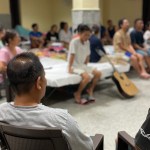
Lamjagou and other families in his relief camp worship each Sunday afternoon at a local Presbyterian church about 5 kilometers away. His childhood friend Lalkhup Vaiphei (no relation) pastors the congregation of about 150 members, all of whom are IDPs living in nearby relief camps. Sunday school teachers hold classes in the church courtyard for the children. From the tithes collected, the congregation pays a small rent to the church and a salary to the pastor.
Lalkhup is a trained pastor and the executive secretary of the Vaiphei Baptist Churches Association (VBCA). Of the seven VBCA churches in Manipur, Meitei militant groups destroyed six in the 2023 violence. Lalkhup, who fled his home on the VBCA Imphal campus in May that year, lives in rented accommodations in Churachandpur district.
As the relief camps in the area face closures, the church is stepping in to help its congregations. Lalkhup said the church plans to buy a plot of empty land with money collected from the few congregation members who still have an income, mostly government employees. Most other members are farmers who have lost their livelihoods in the violence.
They are looking at a 3-hectare tract that they can divide into 80 equal plots of 4,000 square feet each. Each plot will be sold to a family in the church for 100,000 rupees ($1,110 USD), which Lalkhup said could be paid for in small installments once they’re able to get back on their feet and earn money.
With donations from Christians in Southern India, the congregation has also started constructing a church building. Lalkhup noted that the construction will take a long time as the funds come in intermittently. Until then, they plan to continue gathering at the rented Presbyterian church.
Lamjagou said he plans to buy a plot of land and build a home there. Back in his village, he had a small fish farm where he raised and sold fish. The violence destroyed his farm, and he has no source of livelihood in the relief camp. His wife has sold a few mosquito nets that she stitched, but the earnings have been meager and unsteady.
His hopes of rebuilding his life hinge on finding a new job and getting financial support from the government or donors.
“I hope to pay for the land slowly if I can find some work,” Lamjagou said. “If the government provides any support for housing and resettlement, or if well-wishers sponsor us, we can build a home. … We just hope that God, in his grace, will make a way.”
Meanwhile, Lalkhup noted that shepherding his flock in the midst of a humanitarian crisis has been difficult.
“With church members coming out with empty hands, no homes, and no land, establishing a church from scratch is not easy,” he said. “I have to frequently visit every household in various relief camps, wherever they are. I have to have a very close relationship with all members. Only then can we walk together and start over again.”
Related