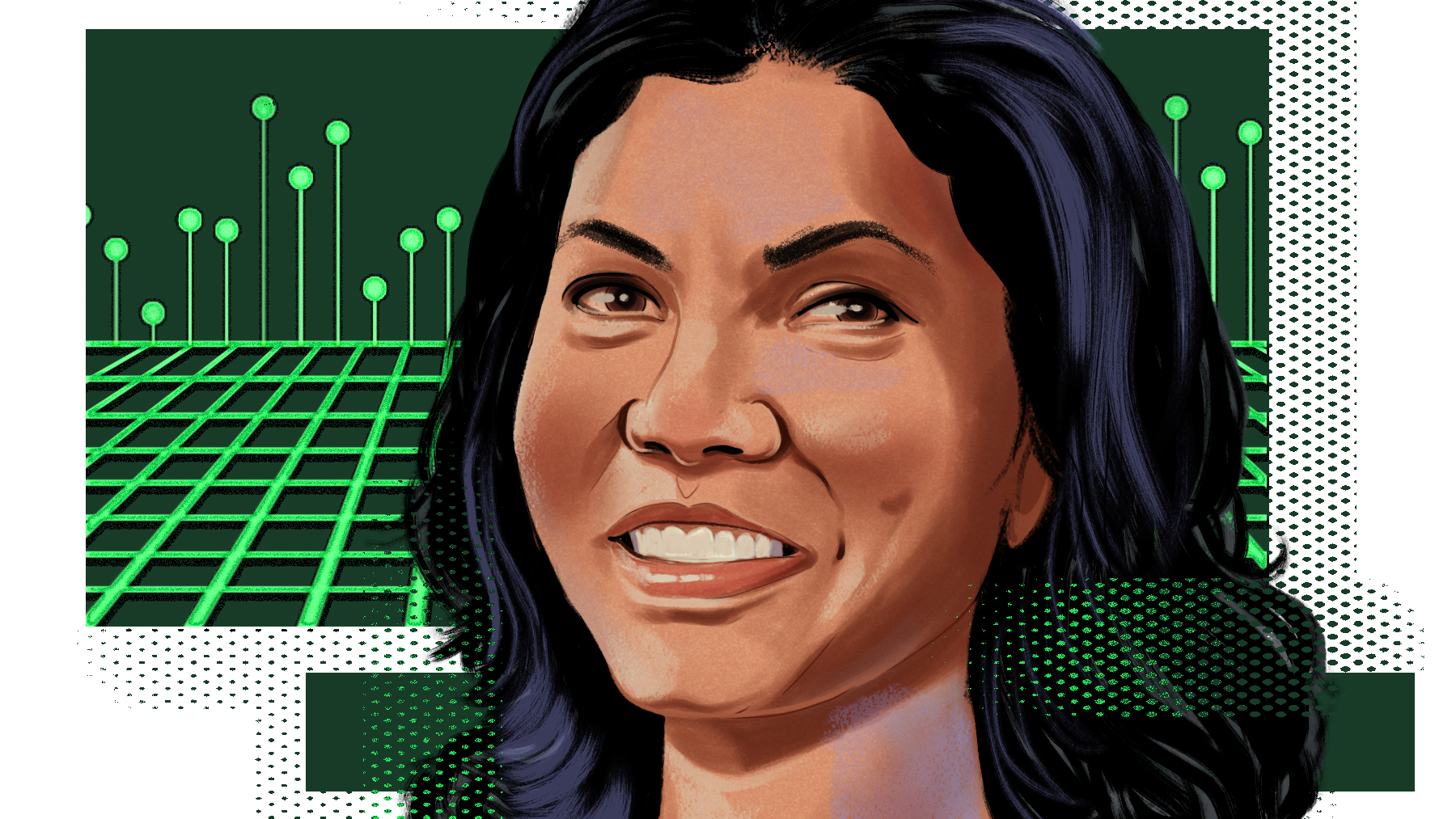
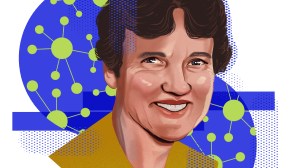
Lydia Manikonda

Jonathan Bartlett

In this series

Computer scientist, Troy, New York

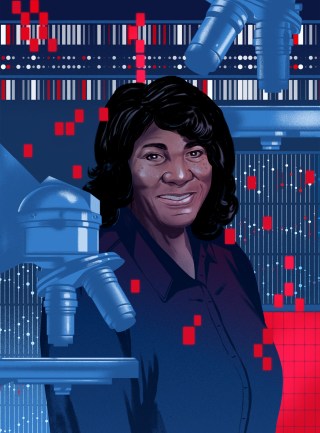
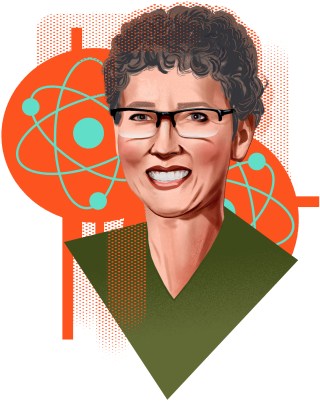
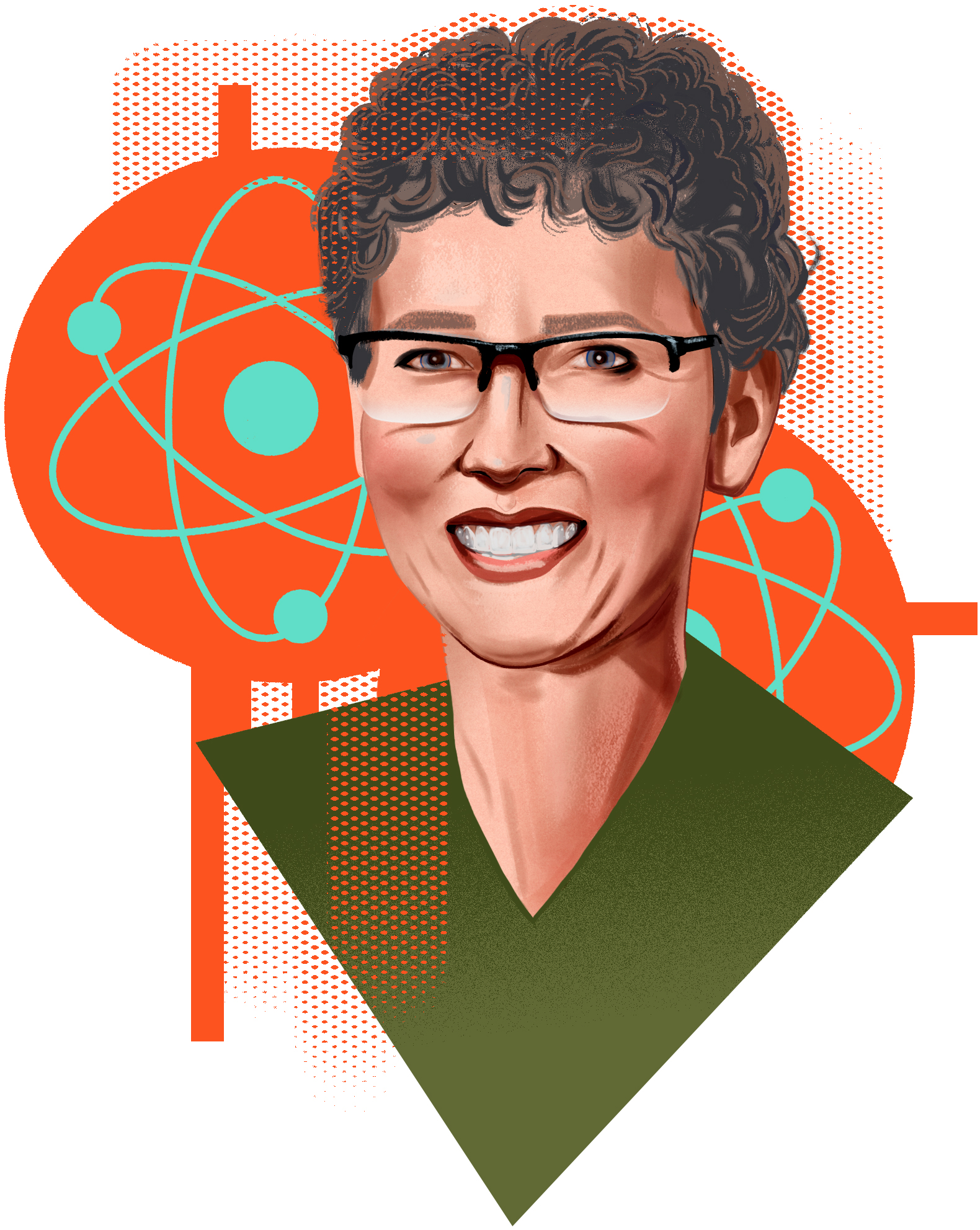
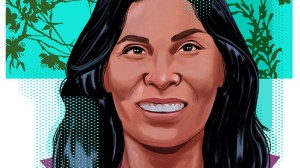
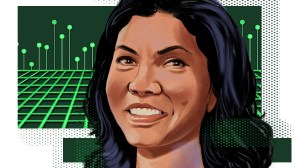
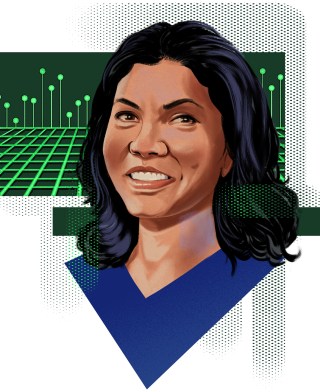
When Lydia Manikonda was accepted into a PhD program, her church community in rural India asked, “Why does a woman need to study that much instead of getting married and raising children?” Most of her friends were married at 18 or 20 years old. She was the only woman approaching 30 still in school and not married.

Her parents were split on whether this was the right path for her. Her mom “always told me and still tells me that women should stand on their own feet even though they are married, which was kind of a different message than I heard growing up in my ultraconservative church,” Manikonda said.
Jonathan Bartlett

Today, she works with artificial intelligence and machine learning, using data-driven decision-making on social media platforms to understand people’s offline behavior, particularly related to mental health, obesity, or addictions.

She sees the technology field changing as women break barriers, while at the same time, computer scientists work to address biases in algorithms that harm underrepresented people. “I believe that this is just the beginning, but I am very excited to be in the world right now to experience and see how things are changing,” she said.

Manikonda is still riding the excitement of finishing her dissertation last spring. It wasn’t easy being the only female in the lab, she said. To create a support system, she reached out to other women in computer science and created a network of encouragement. She also finished as a new mom, though she entertained thoughts of quitting at times. Today, she is a tenure-track assistant professor at Rensselaer Polytechnic Institute in New York.

Jessica Moerman

Jonathan Bartlett

In this series

Paleoclimatologist, Washington, DC

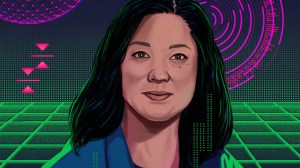
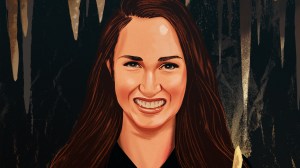
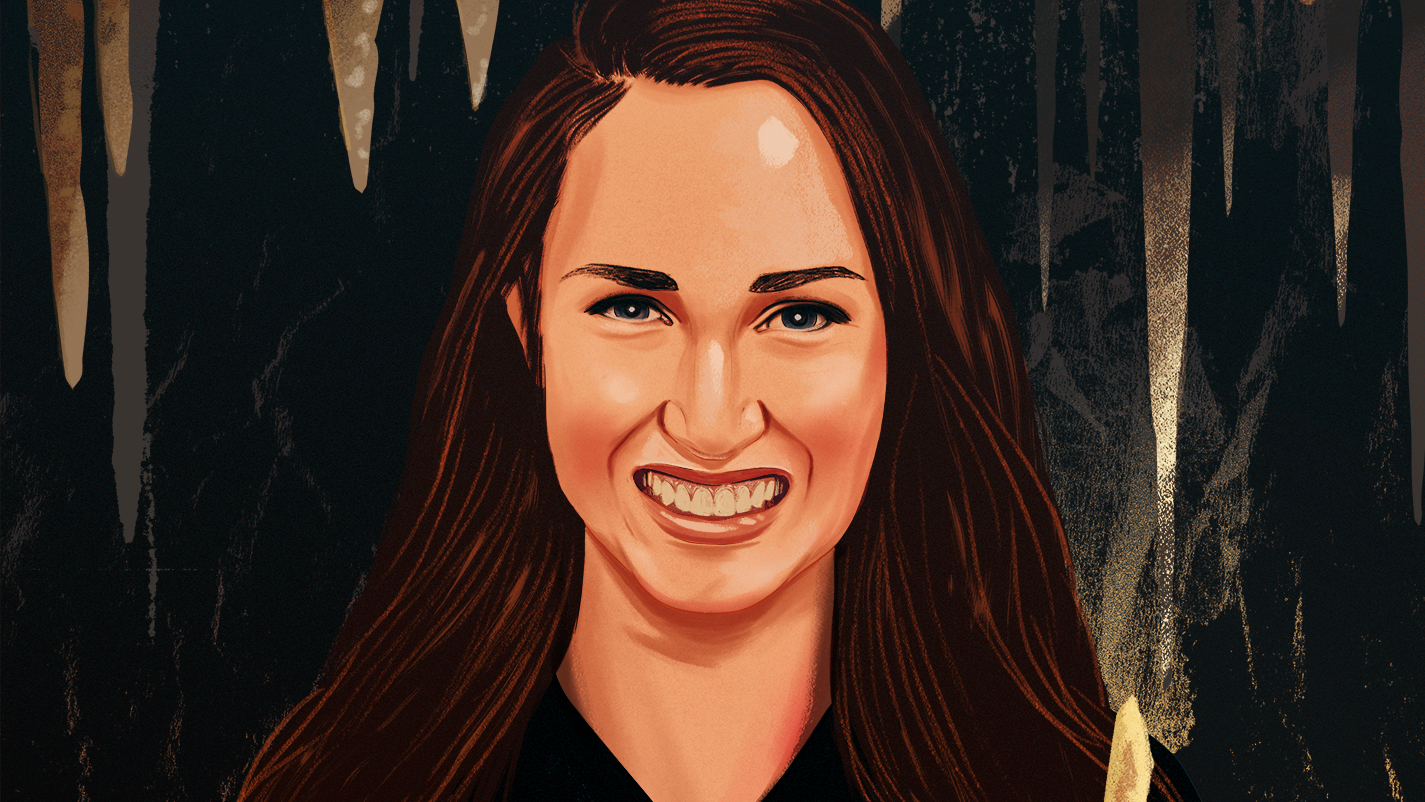
Jessica Moerman felt called to join God in ministry but wondered, “How can I serve God’s kingdom by studying geology?”

She found the answer during a freshman-year lecture that explained how the rock record holds evidence of the Earth’s past climate. “I was fascinated that creation had these clues about Earth’s history,” she said.

Jonathan Bartlett

She felt drawn to the missional dimension of climate change. “It’s really the most vulnerable in society that are impacted by global warming, and they contribute to it the least. That’s where those two callings clicked,” said Moerman, who is now a science and technology policy fellow with the AAAS.

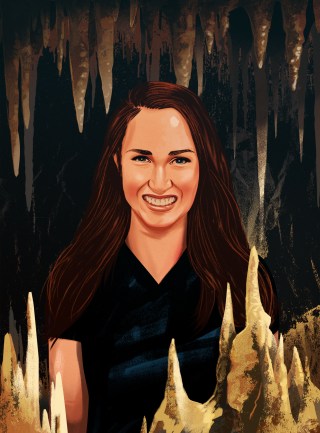
Moerman completed postdoctoral studies at the Smithsonian Institution, during which time she obtained sediments from a paleolake in Kenya. She’s also collected stalagmites from caves on the tropical Pacific island of Borneo. “I measure the chemical signatures in each layer and analyze ‘What do patterns look like? How does it match up with other similar records in that region? Or other regions that might be impacted?’

“It’s kind of like reading a page out of the history book,” she said. “We can also use it to answer questions about how and why climate is changing today and will in the future.”

Researchers compare chemical footprints from different samples to computer simulations that are globally shared. “Each of our records is like a pinprick. . . . If you had a map, you could put a pushpin in each. But we need to bring them all together to get the full global picture.

“I love working in these big teams to answer these really big thorny questions where [answers] can only come from people working together,” she said.

Keila Natilde Lopez

Jonathan Bartlett

In this series

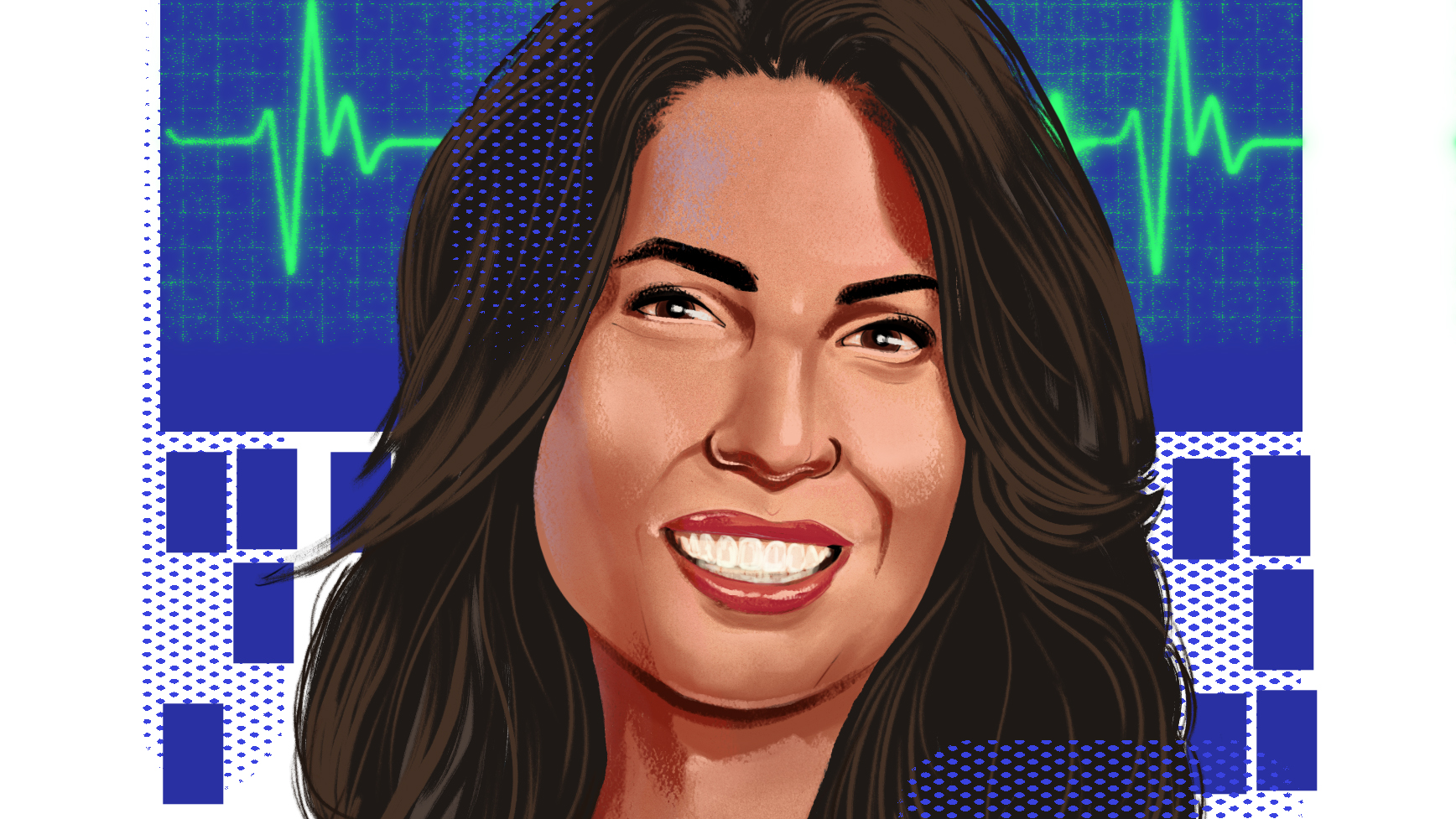
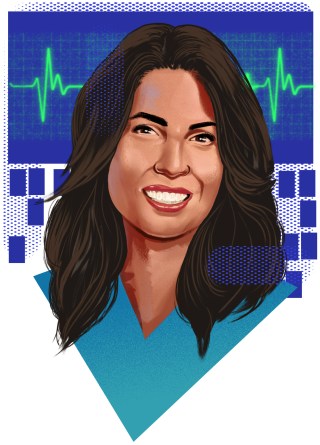
Pediatric cardiologist, Houston, Texas

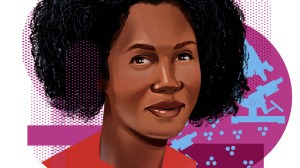
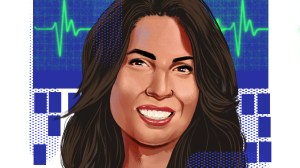
The child of a Mexican father and a Brazilian mother who met in an English class in Chicago, Keila Natilde Lopez has always wanted to be a doctor. But Hispanic doctors are rare: In her class at the University of Illinois, 10 Hispanic students started out as premed majors; two made it to medical school. At graduation from med school, she was the last one standing.

“Throughout the entire process, I felt an urge that there are so few of me that make it—I can’t just be the doctor that sees one kid at a time, so I have to do more.”

Jonathan Bartlett

During her residency, a flier came across her desk. “God is kind of funny,” Lopez recalls. It said something like: “Do you feel like you want to do something more?” It advertised a minority health policy program at Harvard.

After graduating from the program, she felt so inspired that she almost abandoned cardiology for public health. Instead, she discovered how to apply her knowledge with the passion she gained.

Next, she began a fellowship at Baylor College of Medicine, where she noticed a pattern in her patients. “How come the kids that I see that have this problem are all Latino?” Lopez wondered. Today, she explores what might be causing a cluster of cases of congenital heart disease among Latinos.

Lopez has now seen over 1,000 patients, beginning in utero through an infant surgery. As some of her patients are growing into their teen years, she noted that depression, anxiety, or ADHD are high among kids with congenital heart disease or cardiac arrythmias. Further, “rates of anxiety and depression are substantially lower if you’re black, Hispanic, or Asian, which may mean an under recognition or diagnosis of emotional health in these populations,” she said.

Lopez explained how she has paid the “minority tax” in her career. For example, during her residency, she often doubled as the translator for Spanish-speaking patients. “There’s unspoken additional duties and challenges that go along with being in a white, male-dominated (field).”

She also often participates in diversity and inclusion initiatives and currently is creating the health track for the National Diversity Council. “You feel guilty if you say no. You feel, ‘This is what I’m supposed to be doing,’” she said, yet these projects don’t count toward achieving faculty promotion.

But her faith fuels her ambition with fearlessness, she said. “I feel I was placed here for a reason, and he’s brought me this far. If God’s going to open this door, he’s going to keep on guiding me.”

Georgia Dunston

Jonathan Bartlett

In this series

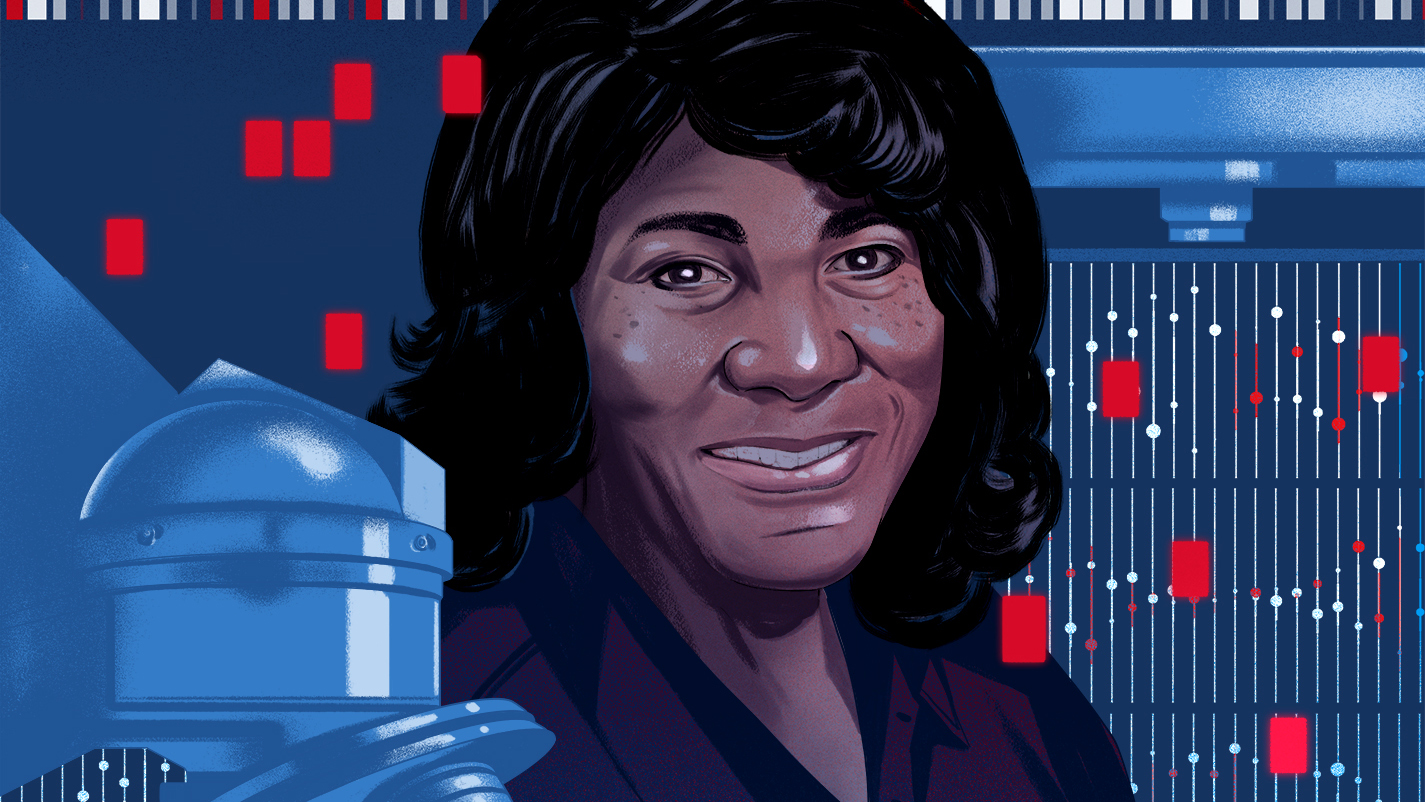
Geneticist, Washington, DC

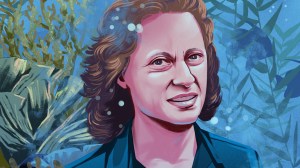
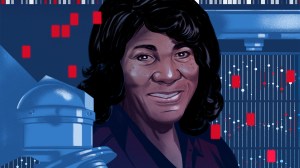
I’ve been really amazed and curious about what causes differences (in people) and what’s the usefulness and purpose of that,” said Georgia Dunston, who grew up in Norfolk, Virginia, amid a strong black church tradition. “That’s been the captivating question of my life.”

When she speaks publicly, Dunston often illustrates her curiosity with a story from her childhood. She’d ask: “Mama, why he make me a girl? Why he make me colored? Why he give me kinky hair? It looks like God loves some of his children a little bit more than others.” She repeated these questions often. At their root, she wondered: “How does that difference reflect his love?”

Jonathan Bartlett

Dunston simply had questions that others couldn’t answer, so she kept going to school. When she graduated with a doctorate from the University of Michigan in 1972, there were very few people doing medical research in the black community. She began as a postdoc at Howard University, eventually moving to the National Cancer Institute.

One area of her research sought to understand why blacks did not do as well with organ transplants as whites did. At the time, doctors gave patients a tissue-typing test to determine if a donor was a good match. “We were able to identify antigens or genetic types that were frequent in blacks that were not in the general white population,” she said. “Most of the antigens that were used in determining tissue type were collected by white donors.”

It was a step forward. Yet biologists aspired to more. Genetics research at the time mainly focused on rare diseases attributed to a single gene. Diseases caused by many genes and affecting large swaths of the population—diabetes, cancer, hypertension—were too difficult to understand. Then along came the Human Genome Project.

Dunston was on the team that began sequencing the genome in 1990 and completed it in 2003. The culmination, she said, was part of the answer to her childhood questions: “why God made me as I am, why some people get sick and others don’t.”

Dunston is acutely aware of how her identity as a black woman shaped the course of her career. She is the first black woman to do almost all of the things in her life’s path. She is thankful for “knowing the creator God of life as my Father.”

For her, the human genome provides knowledge for biology and theology. “The human genome is about life: human identity, population diversity, and global community. It is a living legacy, an epic love story on the journey of life in humankind through time. It brings us individually and collectively face to face with ourselves, each other, and our God,” she said.

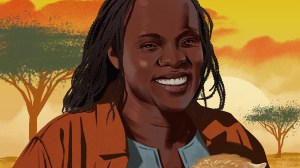
Mercy Akinyi

Jonathan Bartlett

In this series

Veterinarian & biologist, Nairobi, Kenya

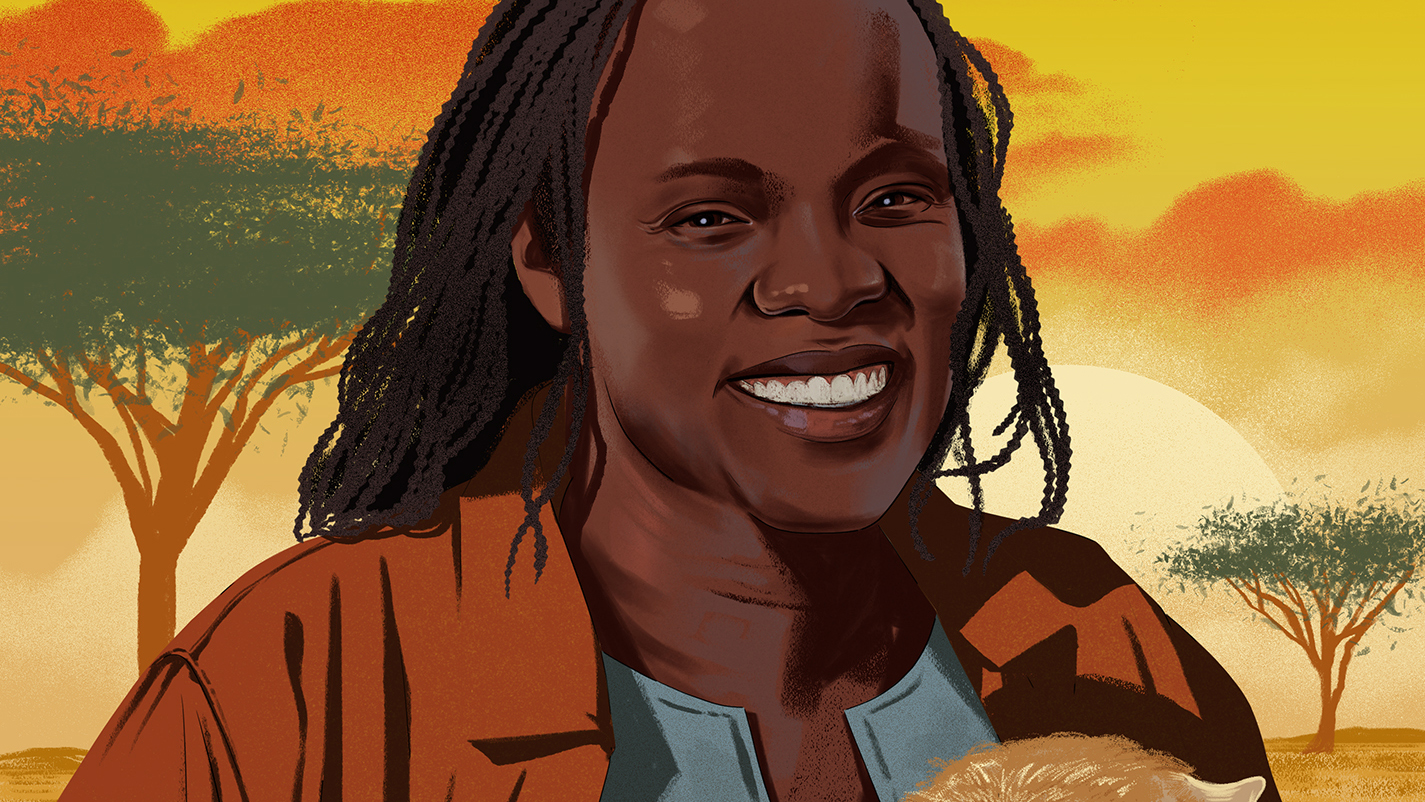
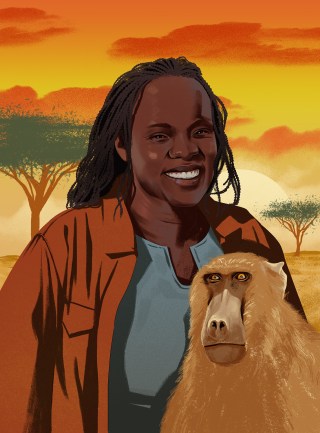
By studying baboons in the wild, Mercy Akinyi looks for how diseases start, progress, and transmit to others. This keeps primate populations healthy and also informs disease prevention and care for human populations that share their habitat.

In her faith, she draws heavily on the virtue of patience. “Most successful researchers spend decades to achieve groundbreaking results,” said Akinyi, a veterinarian at the Institute of Primate Research in Nairobi.

Jonathan Bartlett

While her classes and lecturers have always been mostly male, she found a female mentor in grad school who encouraged her to apply for a PhD. “I still turn to her for advice as I continue with my science career.”

When she arrived at Duke University, “the hardest part was being away from my home country and adjusting to the new culture,” she said. She completed her PhD in 2017.

Now, she worries about how she will balance work with the demands of a newborn baby as she pursues a postdoc position at the KEMRI Wellcome Trust. “I believe that females’ career progression is slower when they start having children, and so many people shy off to have children until they have accomplished the major milestones,” she said.

While she hopes to make novel contributions to global health, “I would also like to be a role model to the many young African women in these fields,” noting that there are more women in Kenya pursing PhDs today.

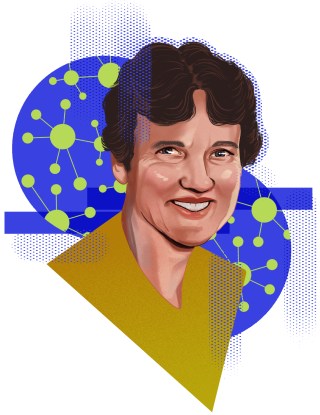
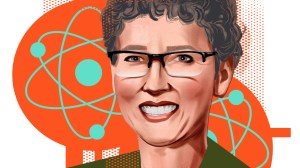
Erica Carlson

Jonathan Bartlett

In this series

Physicist, West Lafayette, Indiana

Erica Carlson struggled with feeling unsupported by her church while she was in grad school. “It’s the time commitment that has been hard for most of my church communities to understand,” she said, explaining that she felt an expectation that Christians attend up to three weekly events. “I always had too much homework to do, and I knew I should do it, since God was calling me into a technical career,” she said. “It was very lonely, both in undergraduate and graduate school.”

Furthermore, academia contains barriers that impede family life, making it a difficult path for women with families. After obtaining a PhD, it could take a person two or three postdoctoral positions (moves across the country) before finding a permanent position. “How many men do you know who would be willing to follow their wife around through four career moves in ten years?” she asked.

Jonathan Bartlett

Carlson’s husband was. Fortunately, she only worked one postdoctoral position before landing a faculty position.

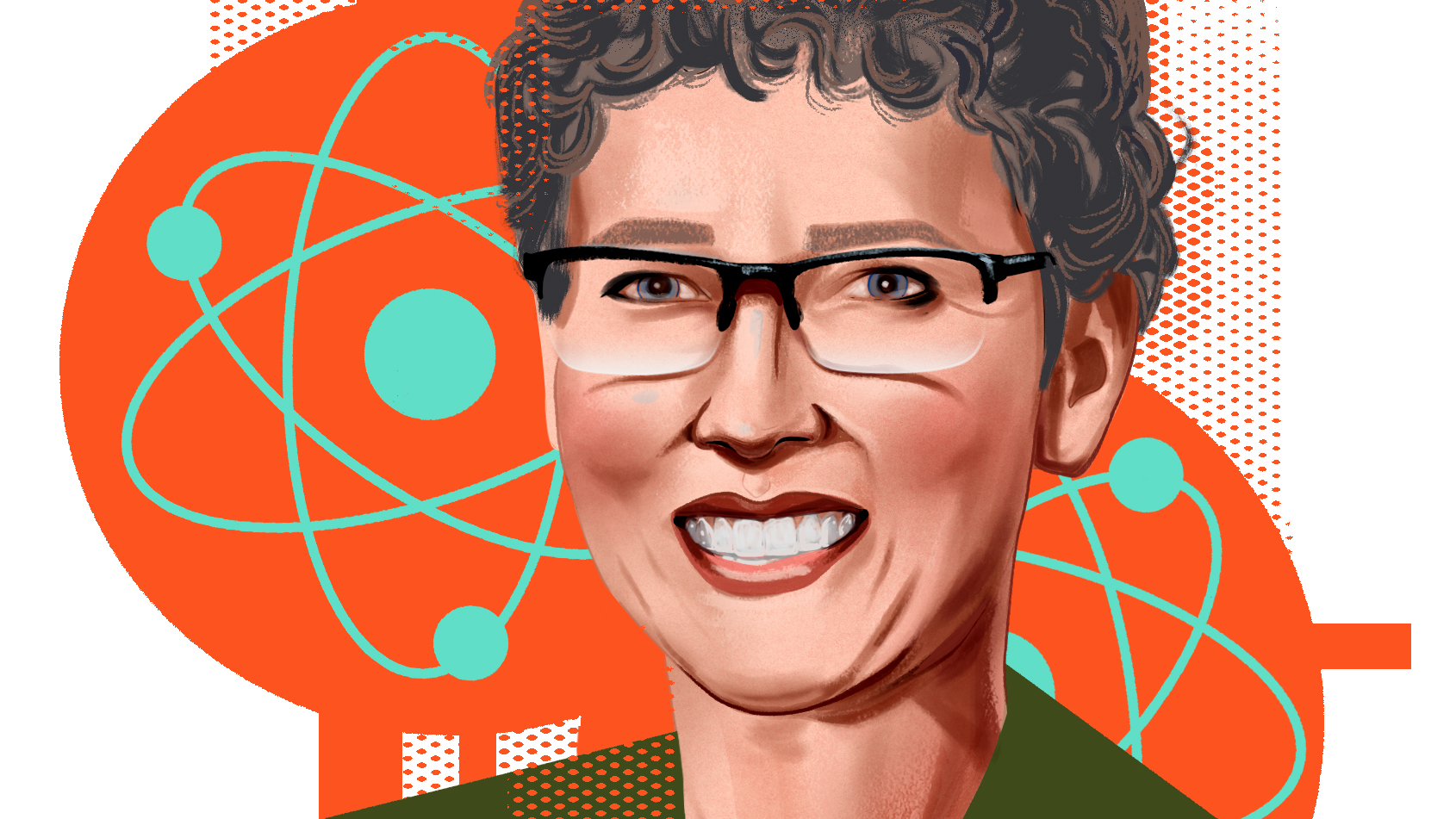
Today, she studies what electrons do inside of quantum materials. If scientists can learn to manipulate and control the quantum properties of electrons inside materials, they can be applied to new technologies. “This is the field that gave us computers and thumb drives,” she said. “We’re continually on the hunt for the next great material that will revolutionize our world.”

Carlson counters an old narrative among evangelicals that one can either choose God or science. “God calls the body of Christ into all places in society’s structures. After all, my science-minded friends need to know Jesus loves them. How will they know if they never meet a colleague who’s a believer?” she said.

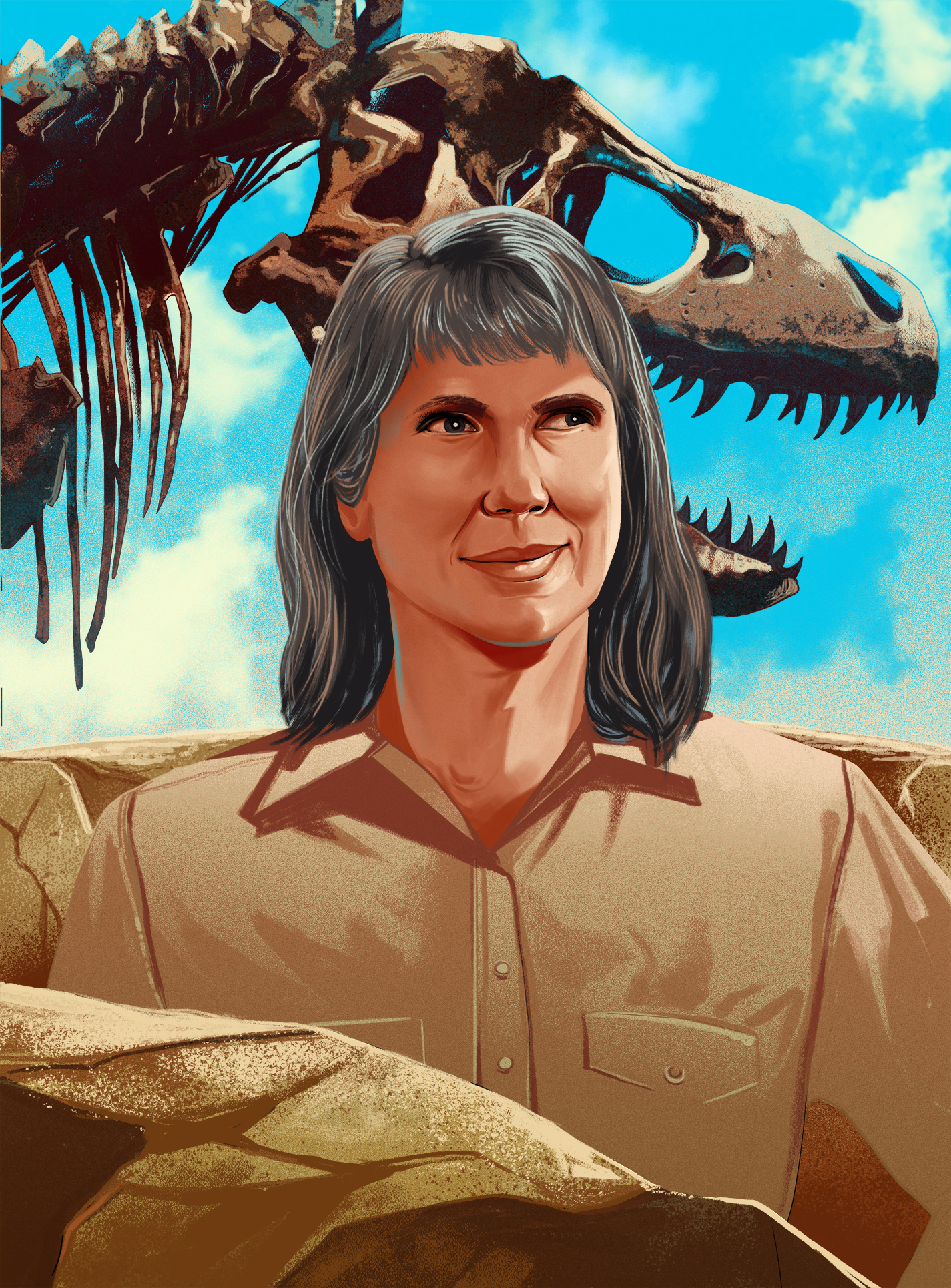
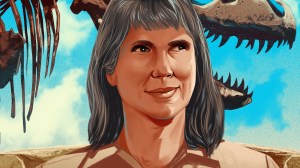
Mary Schweitzer

Jonathan Bartlett

In this series

Paleontologist & molecular biologist, Raleigh, North Carolina

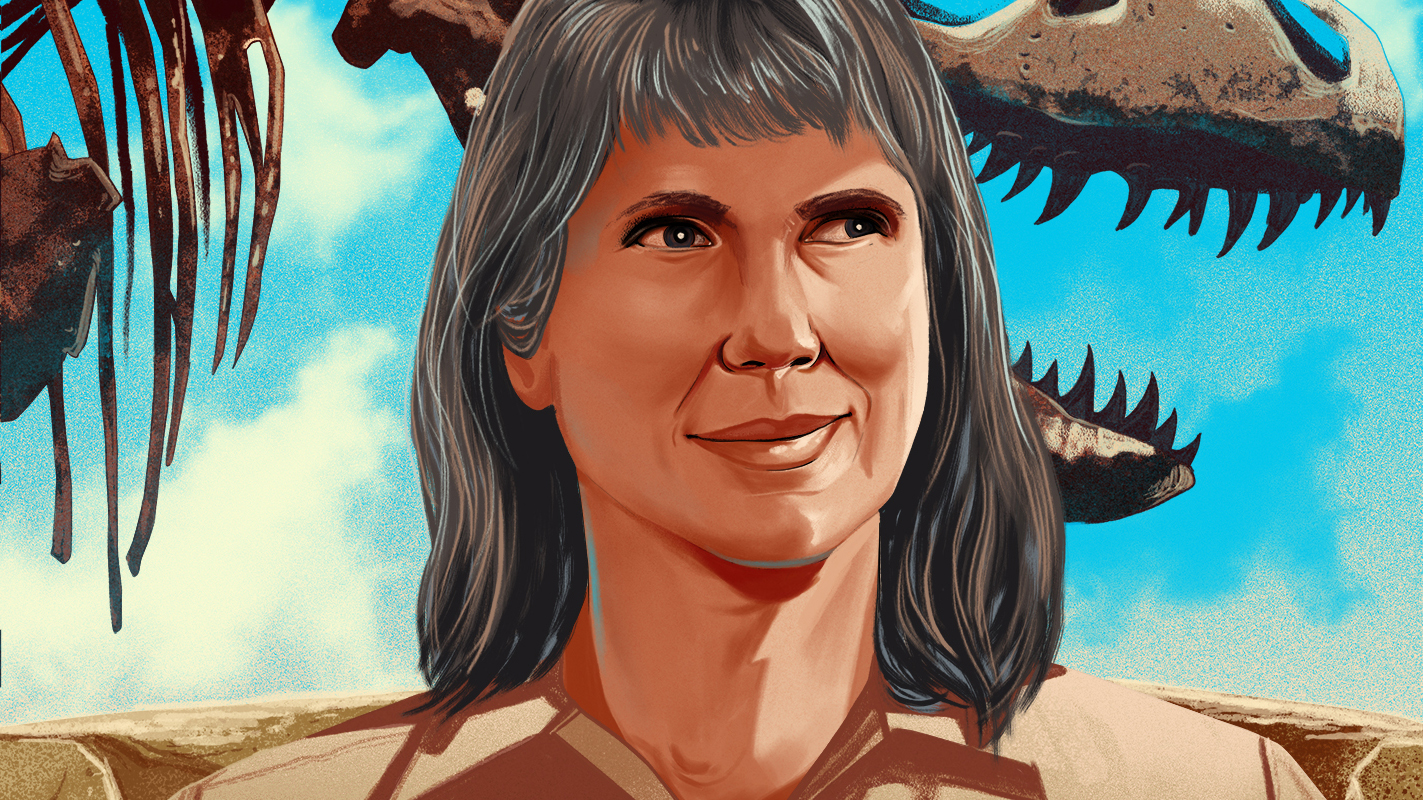
Mary Schweitzer’s career has faced scrutiny since the beginning, and the whole thing was accidental, she said. After working other jobs, she pursued an interest in medicine while balancing the responsibilities of motherhood. But on a whim, she audited the class of Jack Horner, the paleontologist who advised the Jurassic Park movies. Fascinated, she switched paths and began her PhD, helping with a Tyrannosaurus rex that Horner found in 1992.

Her old medical interests immediately affected the trajectory of her newfound career.

Jonathan Bartlett

“I kept smelling something very odd” in the dinosaur bones, she recalled. It reminded her of smells in the campus cadaver labs. Most paleontologists came from a geology background, so “it didn’t dawn on them that it smelled,” she said. “Nothing has an odor unless it has organics associated with it.”

She analyzed the bone and found blood vessels, cells, and collagen inside—evidence of living tissue inside dinosaur bones millions of years old. “To put it mildly, my thesis was not well accepted in the grander community,” she said.

In 2000, another T. rex was discovered and she attempted to repeat the analysis, the results of which were published in Science in 2005.

“Since then, we’ve tried really hard to replicate it and provide chemical data,” said Schweitzer, who is now at North Carolina State University. Her lab has expanded to other specimen and tissue types, and a lab in Sweden has replicated her findings in a sample from another dig.

“I’m not doing what I do for attention,” she said. “I’m utterly fascinated by the world God made, so I just try to ignore what other people say and just do the work in a way that God’s blessed me to do.”

When Schweitzer started, there were maybe four women in the field, she said. Now there are as many up-and-coming women in paleontology as men, and most of them have a biology background like herself.

In her observation, women spend less time in the field than men, partly due to family commitments. But it’s allowed many women to ask questions around what they can analyze in the lab. “It affects the questions we ask and how we address those questions, and I think it makes the whole field a lot stronger,” she said.

Twelve Christian Women in Science You Should Know

From studying dinosaur bones to creating digital assistants, these women see research as their calling.

Source Illustrations: Jonathan Bartlett

In this series

Sitting in rows of desks, women from the US and Canada gathered in a basement classroom at Wheaton College last summer to consider what topics they would like the Christian Women in Science (CWiS) group to address. Some men also came, wondering how they could support women. One participant asked to discuss “what we can achieve because of who we are instead of in spite of who we are.”

The parent organization of CWiS, the American Scientific Affiliation, has slowly grown in female membership since it began nearly 80 years ago. In 2013 it launched the women’s network, which today has about 200 members and aims to build an online community while providing mentorship to younger women pursuing science careers.

Of 1,989 US biologists
and physicists 7%
identified as Christian women

Science is not awash in female Christians, but it is rich in female Christian role models. Perhaps more women than ever lead top science-and-faith organizations. First, the ASA’s own executive director is Leslie Wickman, an aerospace engineer. Jennifer Wiseman, a physicist, is the director for the Dialogue on Science Ethics and Religion at the American Association for the Advancement of Science (AAAS). And Deborah Haarsma, also a physicist, has served as president of BioLogos since 2013.

Reflecting this shift, CT interviewed 12 scientists who are respected in their fields and whose work reflects not only who they are as women but who they are as Christians.

Why Do Fewer Christian Women Work in Science?

Sociologists explain the data behind the gender gap in STEM careers.

In March of last year, NASA canceled a would-be all-woman spacewalk because it didn’t have enough suits to fit the female astronauts. (By October, it rectified the situation and completed the walk.) For many, the incident highlighted how women are often marginalized in science, technology, engineering, and mathematics and are underrepresented in science careers.

National Institutes of Health director Francis Collins—an outspoken Christian—has also spoken out about science’s glaring need to be more inclusive, especially among leadership. He wrote an open letter stating, “It is time to end the tradition in science of all-male speaking panels, sometimes wryly referred to as ‘manels.’ ” He now plans to turn down speaking engagements that do not seriously consider other scientists of various backgrounds for the same opportunities.

His concern is backed by data. We studied academic biologists and physicists in eight international contexts, conducted through Rice University’s Religion and Public Life Program, and found that women accounted for only 17 percent of US physicists. Biology tends to have better gender parity, and yet only 39 percent of US biologists in our sample were women, with most of these concentrated in lower ranks rather than full professorships. Christian women were particularly underrepresented, accounting for only 7 percent of scientists participating in our study, a finding discussed more in our book, Secularity and Science: What Scientists Around the World Really Think about Religion.

And when we look at other social groups that are deeply marginalized in science, the picture becomes even starker. Only 12 percent of US biologists and physicists in our sample were nonwhite women, and of them, only 14 percent were Christian. To make the point even sharper, in our pool of 1,989 US biologists and physicists, there were only 7 black Christian women.

Christian women in science work in a multifaceted context, facing a world not only where they publish less and make less money than their male counterparts but also where religion and science exist in a complicated relationship. Yet their contributions are deeply needed: Solutions to problems we face today might not be solved if they don’t come from all sectors of society.

Religion, science, and gender

Contrary to the popular stereotype, not all scientists are atheists. In fact, we found that nearly a quarter of our US scientists identified as Christian. But in contrast with other sectors of society where sociologists have found atheists to be marginalized, academic science seemingly privileges non-religion. Christians in science are substantially underrepresented in a nation where more than 70 percent of people identify as Christian, and they are particularly underrepresented in the most elite US research universities.

Most scientists do not believe science and religion are inherently in conflict. A Christian physicist we interviewed for our study told us, “I grew up with the notion that you shouldn’t be afraid of knowledge. I learned this both in religion and from science.” That said, scientists identifying as Christian report more discrimination than those with no religious affiliation. About 72 percent of Christians in our sample reported experiencing some form of discrimination, including 28 percent who have perceived the discrimination to be because of their religion, compared to 62 percent of unaffiliated scientists reporting some form of discrimination. A strong majority (65 %) of Christians report that their colleagues have negative attitudes about religion, and unaffiliated scientists don’t necessarily disagree—54 percent of them also say their scientist colleagues have negative attitudes about religion, often (as our research shows) for political rather than religious reasons.

Furthermore, Christian women face barriers in the workplace because of both gender and religion. While our data suggest that Christians actually tend to earn slightly more than non-Christians in science, the Christian advantage in pay for women is nullified by a gender penalty. Our data also reveal that women publish significantly less.

Moreover, 88 percent of Christian women report having been discriminated against in the context of their work—including 26 percent because of their religion and 69 percent because of their gender.

The second shift at home

When talking about gender in the workplace, notions that women choose occupations that pay less or have lower status are popular. But that logic does not seem to apply in science. For one thing, according to 2018 data from the National Science Foundation, girls of a very young age tend to express interest in science at levels equal to those of boys, despite lingering social norms that may still reward boys for “science-mindedness” more than girls.

Once in school, however, women seem to drop out of science careers at higher rates than men—a phenomenon some refer to as the “leaky pipeline.” According to our data, women account for 20 percent of physicists and 47 percent of biologists in graduate school, but these figures drop to 10 percent and 27 percent, respectively, among scientists with tenure.

The flip side of this, according to research, is that, while women have been gaining greater equality in the workplace nationally, women still pick up most of the slack at home, even if the household espouses an egalitarian ideology about work and life, as most scientists do. Many women opt out of elite science careers because of the sense that they will impede family formation. And sociologists Jeremy Uecker and Lisa Pearce found that Christian women—but not men—attend less-prestigious colleges than their standardized test scores would predict, many of them voicing reasons related to the desire for motherhood.

Indeed, we found that women in science are less likely than male scientists to be married with kids. Simply put, it is easier for men than for women to have a family and meet the career demands of an academic scientist. We also found that 47 percent of Christian women in science say they have had fewer children than they would have liked because of their career, compared to 37 percent of Christian men. And women who do marry and have children are at a disadvantage in elite science.

Nevertheless, many Christian women pursue careers in science motivated at least in part by their faith. One biologist told us, “My religion pushes me towards research of medical value because helping other people is important to me.” A physicist told us her “pursuit of knowledge is part of a search for God.” She explained: “I encounter the gift of creation in my work.”

So is there a way forward to greater inclusion of Christian women in science? Perhaps. But it may require substantial investment. The larger cultural issues related to how boys and girls are raised, what they grow up aspiring to do, how they are treated in the workplace, and how we divide household labor are daunting and will require awareness, motivation, and concerted efforts across society, including among Christians. But it doesn’t have to be a leap. For example, Christians have historically supported education around the world, including among girls, as CT reported in 2014.

The good news is that, in principle, diversity and inclusion are good for science and good for the church. For example, scholars have argued that diversity along race, gender, and ethnic lines increases creativity and problem-solving in science. Consider the work of women of color like NASA mathematician Katherine Johnson, made famous by the popular movie Hidden Figures, and doctor and former US Surgeon General Regina Benjamin. As a result of the different social worlds they inhabit, women have developed inventions related to the home and their gender-segregated jobs. And as our nation was tested simply by sending women into space, we have also been rediscovering the pivotal roles of women in getting us to the moon. There is a robust Christian theology arguing for the elevation of women’s voices in society, regardless of differing views on female ordination or women in church leadership.

Theology teaches nature is a part of God’s revelation. From a Christian standpoint, then, the study of nature through science is a good calling. Since we know that diversity is good for science, inclusion of women in this endeavor will ultimately, for Christians, reveal more of God.

Elaine Howard Ecklund is a sociologist and the director of the Religion and Public Life Program at Rice University. Robert A. Thomson Jr. is a sociologist at the University of Alabama in Huntsville.

Theology

Alynne MacLean

Jonathan Bartlett

In this series

Biochemist, Sharon, Massachusetts

When Alynne MacLean worked at a biotechnology company (Biogen), she was picked for a new position over a male candidate. But then a year later, when another spot opened up, the same candidate was hired for significantly more money. “Staying at the company and being angry about this was not an option,” said MacLean. “I had to decide to change jobs or to choose to not let it bother me so I could enjoy my work. I chose to stay and enjoy my job.”

Today, she runs Science with a Mission Inc. (SMI), a nonprofit that assembles rapid medical diagnostics for diseases like HIV and malaria that work in low resource settings. “Our diagnostics have many advantages: They do not require electricity—so after an earthquake in Haiti or typhoon flooding in the Philippines, they still work,” said MacLean. “You do not need specialized training to ‘read’ the results—grandmothers in Nepal have been taught to use our malaria tests.”

Jonathan Bartlett

The low-cost tests give results in minutes, have a long shelf life, and do not need to be refrigerated.

MacLean explained how it works: “Sometimes when you are sick, you have something in your blood that is not present when you are well. We call this a disease marker. If we can prove that someone has a particular disease marker, we know what disease they have so we can get them the right medicine.”

She credits her faith with determining the trajectory of her career. “(God) is the one who gave me a passion and joy for science, but he is also the one that instilled in me a heart for his people in the poorest parts of our world,” she said.

Apple PodcastsDown ArrowDown ArrowDown Arrowarrow_left_altLeft ArrowLeft ArrowRight ArrowRight ArrowRight Arrowarrow_up_altUp ArrowUp ArrowAvailable at Amazoncaret-downCloseCloseEmailEmailExpandExpandExternalExternalFacebookfacebook-squareGiftGiftGooglegoogleGoogle KeephamburgerInstagraminstagram-squareLinkLinklinkedin-squareListenListenListenChristianity TodayCT Creative Studio Logologo_orgMegaphoneMenuMenupausePinterestPlayPlayPocketPodcastRSSRSSSaveSaveSaveSearchSearchsearchSpotifyStitcherTelegramTable of ContentsTable of Contentstwitter-squareWhatsAppXYouTubeYouTube