





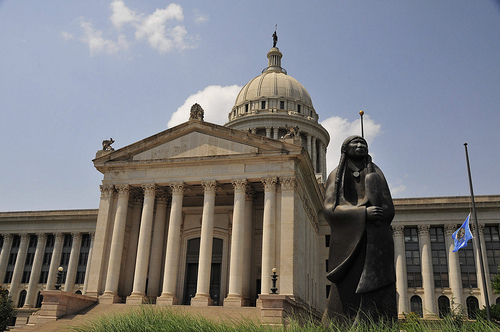
The Oklahoma Supreme Court rejected earlier this week an initiative that would have defined a fertilized egg as a person, unanimously agreeing that the personhood initiative was “clearly unconstitutional.”
Kat welcomes Tim Mackie to trace Shechem from Genesis to John. Mackie, one of the creators of the Bible Project, traces Shechem's narrative thread, revealing places in the Bible that carry a profound meaning for ancient and modern Bible readers. Together, Kat and Tim uncover God’s storytelling genius and showcase Shechem as a location repurposed by many biblical authors for literary impact.
Episode content warning: This episode contains content related to sexual assault.
Quick Links:
Give feedback, ask questions, and download a free learning guide on Kat’s website
The In-Between Place by Kat Armstrong: Kat’s book about Shechem and how Jesus can change our stories.
Mountains Bible study by Kat Armstrong
Valleys Bible study by Kat Armstrong
The Bible Project: https://bibleproject.com/
Find Kat online:
Instagram: @KatArmstrong1
Website: Katarmstrong.com
The Storyline Project: www.thestorylineproject.com
Episode Highlights:
The discussion kicks off with Genesis 12, where Abram and Sarah first encounter Shechem. Driven by God’s promise, Abram builds an altar at the Oak of Moreh, marking Shechem as a place of divine encounter and blessing.
However, the narrative takes an unexpected turn in Genesis 34, exposing Shechem’s darker side—a crime scene that contrasts starkly with its initial promise. Kat and Dr. Mackie highlight the biblical pattern of children intensifying the failures of their parents. Shechem becomes a recurring backdrop for betrayal and tragedy, as seen in Genesis 37 with Jacob’s sons. The contrast between Jacob’s reaction to Dinah’s violation and Joseph’s presumed death raises crucial questions about silence and societal values.
The discussion touches on cultural practices and patriarchal dynamics, shedding light on the biblical authors’ intention to expose broken aspects of humanity. Dr. Mackie emphasizes the importance of recognizing the discomfort these narratives evoke and the biblical authors’ deliberate attempts to challenge societal norms.
Dr. Mackie unveils additional references to Shechem in Deuteronomy and Joshua, highlighting its symbolic significance in Israel’s covenant journey.
The conversation also touches on the multi-generational aspect of Shechem, illustrating how choices made over generations contribute to the challenges faced by the people of Shechem. It’s a place of both divine promise and human brokenness.
Kat and Tim express the profound significance of Jesus choosing to engage with the Samaritan woman at the well with an intentional visit to Shechem.
“Holy Curiosity with Kat Armstrong” is a production of Christianity Today
Executive Producers: Erik Petrik and Mike Cosper
Producer: Leslie Thompson
Associate Producer: McKenzie Hill
Mix Engineer: Kevin Morris
Show Artwork: Amy Jones
The court’s decision comes on the heels of the defeat of a personhood bill in the state legislature, where Republican leaders kept the bill from coming up for a vote before it adjourned last week.
The decision is not binding on any other state, but it could be a bellwether for future court challenges. Compared to other state courts, the Oklahoma Supreme Court is a moderate court, far from the more liberal courts of Hawaii and the northeastern states but also more moderate than the conservative courts in the South.
The unanimous verdict, however, is important. Even the most conservative members of the court agreed that the personhood initiative violated U.S. Supreme Court precedent and was therefore unconstitutional.
The decision likely means that other state courts will also decide that other personhood legislation and initiatives are unconstitutional.
Oklahoma’s court examined the potential initiative after The Center for Reproductive Rights asked the Court to rule on its constitutionality. Oklahoma law allows the courts to review initiatives even before petitioners start gathering the 155,000 signatures needed to put an initiative on the ballot. The court can block a potential initiative that is, on its face, unconstitutional and would result in a “costly and futile election.”
Initiative Petition 395, State Question 761 would have defined a “person” in the state constitution as “any human being from the beginning of the biological development of that human being to natural death.”
The decision puts an end to the initiative process before it could start. The preemptive decision by the Court left proponents of the personhood amendment without a clear strategy for how to proceed.
Dan Skerbitz of Personhood Oklahoma told the Tulsa World that his organization is “disappointed.”
“We are looking over our legal options at this moment, and we will follow up with those if there are any,” Skerbitz said.
The court decision is part of a larger debate over personhood in Oklahoma. Last week, the Republican leaders in the Oklahoma House kept a personhood act from being considered before the legislature adjourned.
Before the court’s decision, 22 legislators had tried to extend the session by voting against adjournment. Oklahomans for Life and Personhood Oklahoma took aim at 57 legislators who voted to adjourn, labeling them “pro-abortion representatives.” After protests from pro-life legislators and a strong rebuke from House Speaker Kris Steele, the groups apologized and rescinded their decision to use the adjournment vote as a litmus test on abortion.







