
The Weekend – 9-6-25

September 4, 2025
CT Weekly

This edition is sponsored by Aspen Group


weekend reads

Some Christian women on the internet seem convinced that Jesus wants them to be holy—and hot. The “before and after” videos they post on social media suggest that a conversion to Christianity will have physical effects. 

“‘It’s in the eyes,’ commenters say, insisting they can detect a change in countenance that’s about more than aesthetics,” writes Kelsey Kramer McGinnis. And it’s certainly true that certain Holy Spirit–imbued qualities—joy, peace, goodness—“can change one’s life in meaningful, even embodied ways.” 

But mostly, “the Jesus-glow-up trend is a failure of imagination. Just as evangelists for the prosperity gospel can’t imagine a clearer sign of blessing than financial wealth, those who claim Jesus wants us to have a glow-up can’t imagine a clearer sign of blessing than physical attractiveness.” 

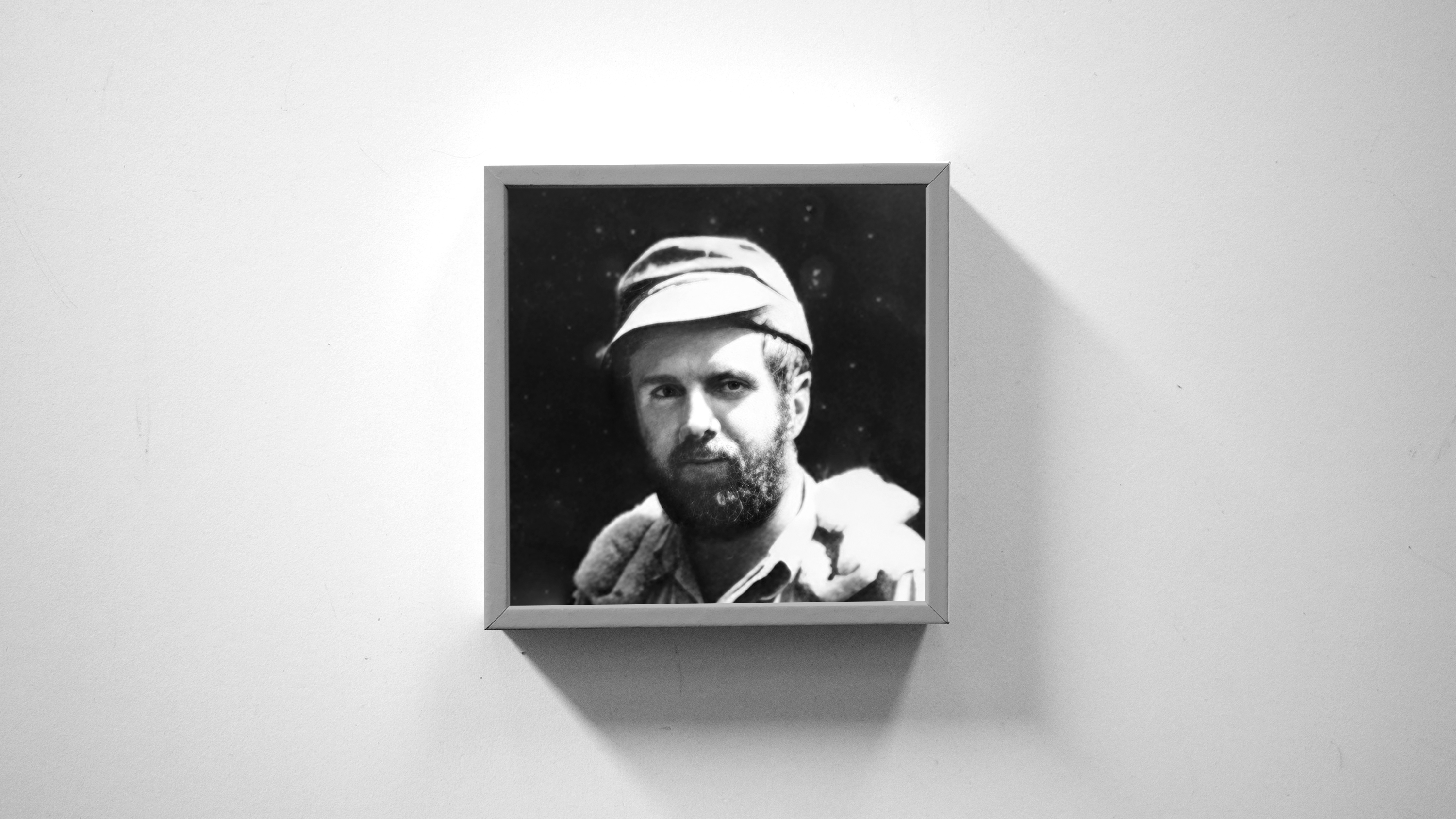
McGinnis’s piece was published on our site the same day as an obituary for Appalachian Trail legend Gene Espy, who, it’s probably safe to say, didn’t know or care much about TikTok beauty trends. But his faith did encourage him to make a big change—just not entirely in line with the lifestyle shifts that influencers are recommending these days (“whole foods” and “dress in fine linens”).

Instead, in 1951, he walked from Georgia to Maine to connect with God, eating peanut-butter-and-jelly sandwiches and chocolate bars and wearing out boots. He kept going for more than 2,000 miles, carrying a New Testament. (The influencers would approve of this: They also advise their followers to “move body” and practice “Bible before phone.”) You can read more of Gene Espy’s story here.

weekend listen

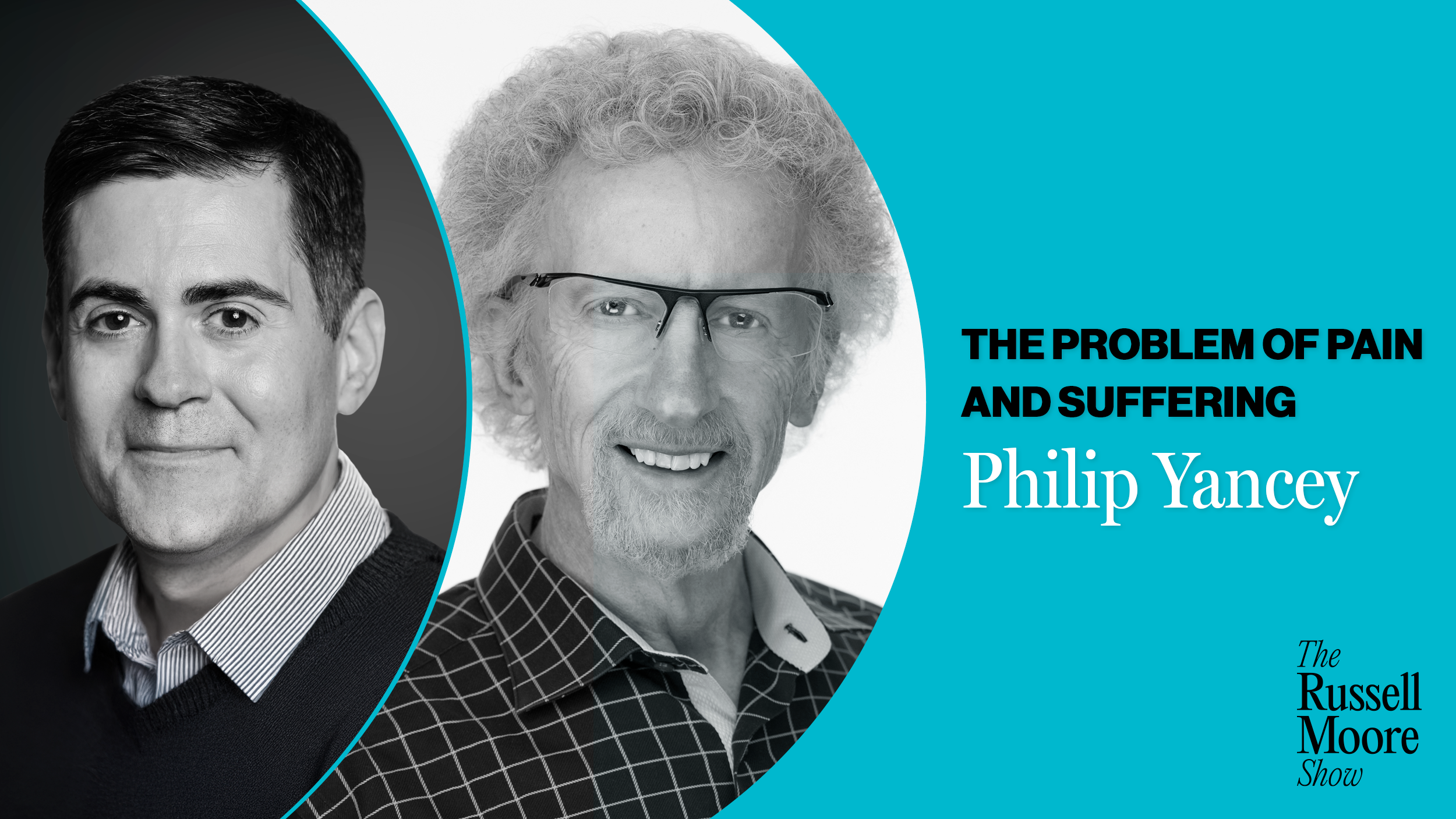
Philip Yancey joins Russell Moore for an honest conversation about suffering and lament. 

“What doesn’t work so well is when suddenly you’re hit with an illness or something that’s life-threatening and you go to the local seminary library and check out a bunch of books on the problem of pain. You’re lying there affected by whatever is wrong with you—that’s not a good time to think about theodicy. The time to think about it is when you’re healthy, and to prepare, and to figure out some of those things before they hit.” | Listen here


paid content

Church spaces do more than provide a place to gather—they can cultivate spiritual growth, foster community, and create opportunities for people to encounter God.

Aspen Group understands how beauty and function work hand-in-hand to support your mission. In partnership with Barna, they’ve uncovered key insights on how physical environments impact faith—and how intentional design can strengthen your ministry.

Download Aspen Group’s free resource: 10 Key Takeaways About Church Spaces from Barna Research—filled with practical ideas to help your building reflect the heart of your church.

Advertise with us

editors’ picks

Bonnie Kristian, editorial director, books and ideas: Who Is an Evangelical? by Thomas S. Kidd. Succinct, accessible, informative, clear-eyed but generous.

Emily Belz, senior staff writer: For some light epistemology in our current knowledge mess, Esther Lightcap Meek’s A Little Manual for Knowing.

Kate Shellnutt, editorial director, news: My most niche Instagram follow is probably @jeeves_NY, a professional dry cleaner who reviews and ranks laundry detergent. I trust his recommendations completely, and it’s helpful to learn the science of laundry soaps, boosters, and softeners.

Haleluya Hadero, Black church editor: I made this apple cider smothered chicken a few times last fall, and it was very delicious. 


prayers of the people


more from CT

But it’s hard to say no to donations.
But American churchgoers average only two out of every five Sundays.

Silicon Valley’s leaders are trying to heal society’s ills. Christians can show a better way.

The church has an old antithesis to our fearful, spiteful culture: discipleship.


IN THE MAGAZINE

As developments in artificial intelligence change daily, we’re increasingly asking what makes humanity different from the machines we use. In this issue, Emily Belz introduces us to tech workers on the frontlines of AI development, Harvest Prude explains how algorithms affect Christian courtship, and Miroslav Volf writes on the transhumanist question. Several writers call our attention to the gifts of being human: Haejin and Makoto Fujimura point us to beauty and justice, Kelly Kapic reminds us God’s highest purpose isn’t efficiency, and Jen Pollock Michel writes on the effects of Alzheimer’s . We bring together futurists, theologians, artists, practitioners, and professors to consider how technology shapes us even as we use it.

THE WEEKEND FROM CHRISTIANITY TODAY

The Weekend delivers the best content from Christianitytoday.com to your inbox each week.

Delivered free via email to subscribers weekly. Sign up for this newsletter.

You are currently subscribed as no email found. Sign up to more newsletters like this. Manage your email preferences  or unsubscribe.

Christianity Today is a 501(c)(3) nonprofit organization.
“Christianity Today” and “CT” are the registered trademarks of Christianity Today International.

Copyright ©2025 Christianity Today, PO Box 788, Wheaton, IL 60187-0788 
All rights reserved.

Apple PodcastsDown ArrowDown ArrowDown Arrowarrow_left_altLeft ArrowLeft ArrowRight ArrowRight ArrowRight Arrowarrow_up_altUp ArrowUp ArrowAvailable at Amazoncaret-downCloseCloseEmailEmailExpandExpandExternalExternalFacebookfacebook-squareGiftGiftGooglegoogleGoogle KeephamburgerInstagraminstagram-squareLinkLinklinkedin-squareListenListenListenChristianity TodayCT Creative Studio Logologo_orgMegaphoneMenuMenupausePinterestPlayPlayPocketPodcastRSSRSSSaveSaveSaveSearchSearchsearchSpotifyStitcherTelegramTable of ContentsTable of Contentstwitter-squareWhatsAppXYouTubeYouTube