

Article

10 Things We Learned about Medicine and Illness in Bible Times

Insights for Covidtide from “The Dictionary of Daily Life in Biblical and Post-Biblical Antiquity.”

Freepik / Envato

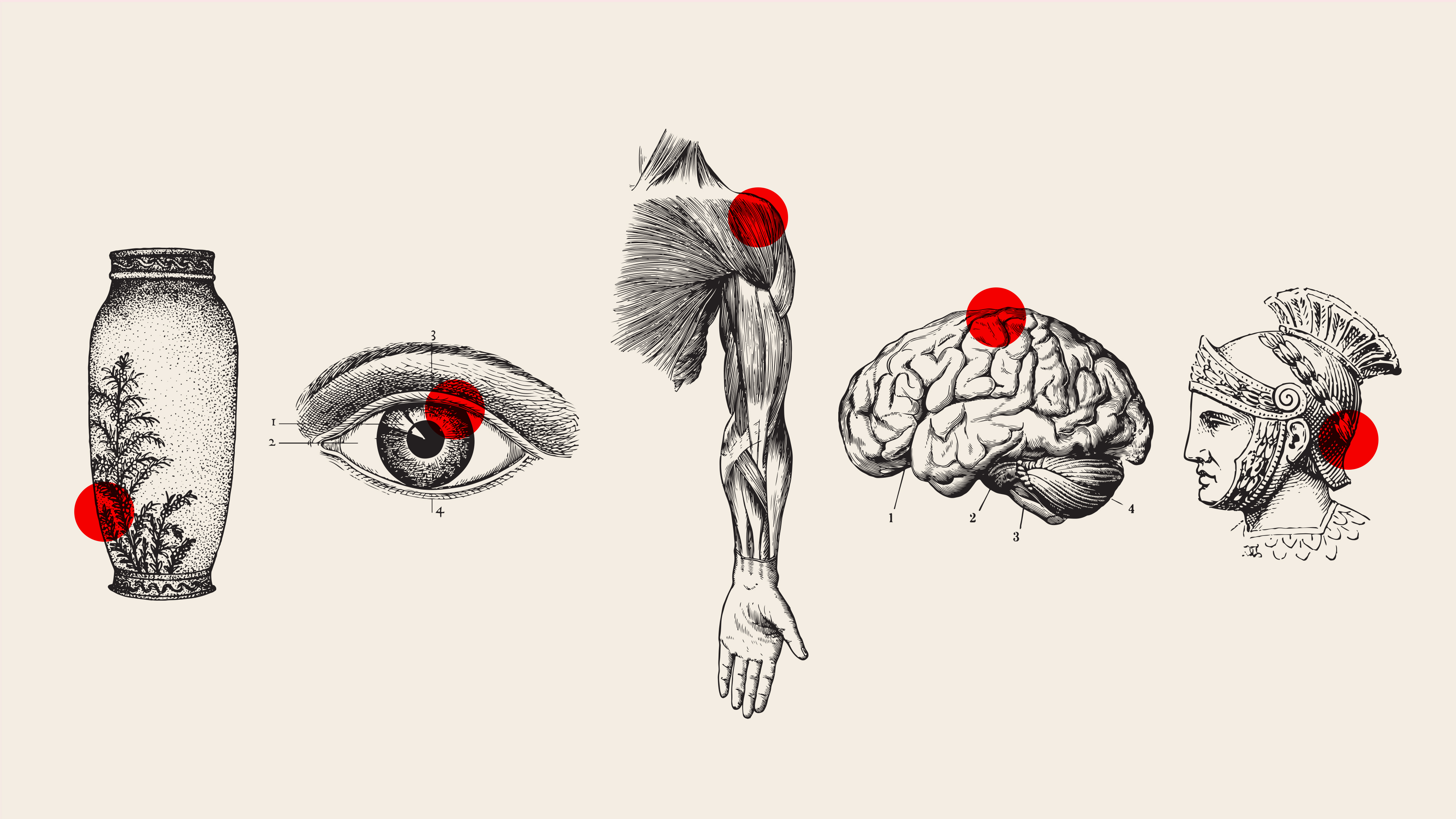
The Dictionary of Daily Life in Biblical and Post-Biblical Antiquity , released as a 1,818-page behemoth in 2017, is one of those books you get lost in for hours in “does this still count as sermon prep?” mode. In Covidtide, we’ve been popping into R. K. Harrison and Edwin Yamauchi’s entry on “Medicine and Physicians.” Here’s some cool stuff we learned:

  1. The Old Testament doesn’t include a single reference to a doctor or medicine healing the sick.
  2. By contrast, references to physicians in the Mishnah and Talmud are very positive. (Well, there is the line that “The best among physicians is destined for Gehenna” and the listing of physician among “the trades of robbers.”)
  3. Rabbis counted 248 “limbs” in the human body and 365 “sinews,” corresponding to the 248 positive commandments and 365 negative ones.
  4. Paul calls Luke “the beloved physician” (Col. 4:14), but the writer doesn’t use any special medical vocabulary in his gospel or in Acts, despite their many healing stories.
  5. When Jesus was born, the Roman medical world was being upended, going from rejecting Greek ideas about medicine to adopting them.
  6. Frankincense and myrrh were among the most common medicines in Jesus’ day.
  7. Egypt had an internationally famous medical system, with dentists, “doctors of the eyes,” “doctors of the abdomen,” and “doctors of the anus.” But they didn’t care about the brain, which they thought of as “merely stuffing for the head.”
  8. When Revelation’s son of man tells the church in Laodicea to “buy from me … salve to put on your eyes, so you can see” (3:18), it’s a reference to the city’s fame for ophthalmologists and eye ointments.
  9. The earliest Christian theologians were so enthralled by the Great Physician that they were critical of other physicians. “Medicine and everything included in it is an invention,” wrote Tatian around A.D. 160–180.
  10. Christians became pro-medicine by the 200s, as physicians were listed among the church’s most famous martyrs. Those who “accepted no silver in payment” were praised. By the late 300s, creating hospitals was a core part of a Christian leader’s work, like founding monasteries.

Compiled by Ted Olsen, editorial director of Christianity Today.

Posted December 16, 2020

Also in this issue

The CT archives are a rich treasure of biblical wisdom and insight from our past. Some things we would say differently today, and some stances we've changed. But overall, we're amazed at how relevant so much of this content is. We trust that you'll find it a helpful resource.

Research Roundup: Preaching Takeaways from the Latest in Social Science

Because, as Karl Barth never said, a pastor should read the Bible in one hand, the newspaper in the other, and a peer-reviewed social science journal in another.

Are All Pastors Televangelists Now?

What Billy Graham, Fred Rogers, Mother Angelica, and others can teach us about delivering sermons to a camera.

Your Preaching Is Not God’s Work. You Are God’s Work.

How inner transformation shapes outward proclamation.

How Culture Shapes Sermons

Recent books on culturally distinct preaching challenge misconceptions and equip diverse pastors to better address a multiethnic world.

Listening to Podcasts Makes Us Better Preachers

How the popular audio genre can help pastors fine-tune sermon preparation and delivery.

How to Preach When You Don’t Know Who’s Listening

5 principles for online preaching.

God Gave You a Specific Congregation. Preach to Them.

5 keys to effective, locally focused preaching.

Jon Tyson: ‘Run into the Controversy’

Why the NYC pastor’s goal is “to winsomely offend everybody.”

Sermon Prep in the Name of the Father, Son, and Holy Spirit

How the Trinity is reshaping my preaching.

Confront Injustice with the Gospel

The Sunday after George Floyd’s death, I preached Christ’s death and resurrection.

If You Want to Reach Skeptics, Start Your Sermon Preparation with Distress

Paul’s model for preaching with a missional edge.

What Pastors See as the ‘New Normal’ for Preaching After the Pandemic

COVID-19’s ministry disruptions are generating lasting insights.

Who Am I to Speak for God?

We craft personas as preachers. God prefers to use us as real people.

The State of Preaching

A look inside our fall special issue.

View issue


Our Latest

Apple PodcastsDown ArrowDown ArrowDown Arrowarrow_left_altLeft ArrowLeft ArrowRight ArrowRight ArrowRight Arrowarrow_up_altUp ArrowUp ArrowAvailable at Amazoncaret-downCloseCloseEmailEmailExpandExpandExternalExternalFacebookfacebook-squareGiftGiftGooglegoogleGoogle KeephamburgerInstagraminstagram-squareLinkLinklinkedin-squareListenListenListenChristianity TodayCT Creative Studio Logologo_orgMegaphoneMenuMenupausePinterestPlayPlayPocketPodcastRSSRSSSaveSaveSaveSearchSearchsearchSpotifyStitcherTelegramTable of ContentsTable of Contentstwitter-squareWhatsAppXYouTubeYouTube
Down ArrowbookCloseExpandExternalsearch