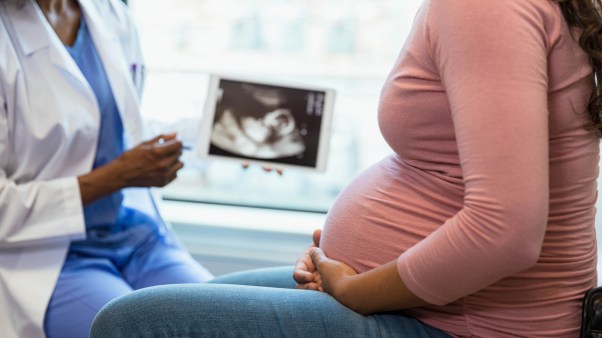
Several years ago, a historian named Sarah C. Williams and her husband went in for what they assumed would be a routine 20-week ultrasound. Instead, they received devastating news. Their unborn daughter, Cerian, had a severe skeletal disorder. Most children with this condition are stillborn or die shortly after birth. Suddenly, their pregnancy became a long walk toward loss.
Williams later wrote about those months in a book called Perfectly Human: Nine Months with Cerian. What’s striking is not that the story is sad—it is—but that it is also deeply hopeful. Williams admits that ethical principles alone could not give them the courage they needed. What sustained them was something more ordinary and more profound: prayer and friendship.
In prayer, they slowly discerned a calling—not to fix the situation, not to escape the pain, but to receive Cerian as a gift to be loved for as long as they were given her. And through friendship, they were given the strength to live out that calling. Friends and caregivers recorded Cerian’s heartbeat. They made keepsakes. They encouraged her siblings to love her. When Cerian died shortly before birth, they bathed her, dressed her, held her, and introduced her to family and friends. As a community, they mourned together.
Cerian was frail. She had no achievements, no productivity, no independence. And yet, Williams says, she was perfectly human. Her very life summoned love. Even her name—Cerian—means “beloved one.”
The Christian hope she discovered was not that suffering would disappear, but that God had already entered it, and that Christ will have the final word.