Podcast

Quick To Listen

Does Your Fasting Have a Point?

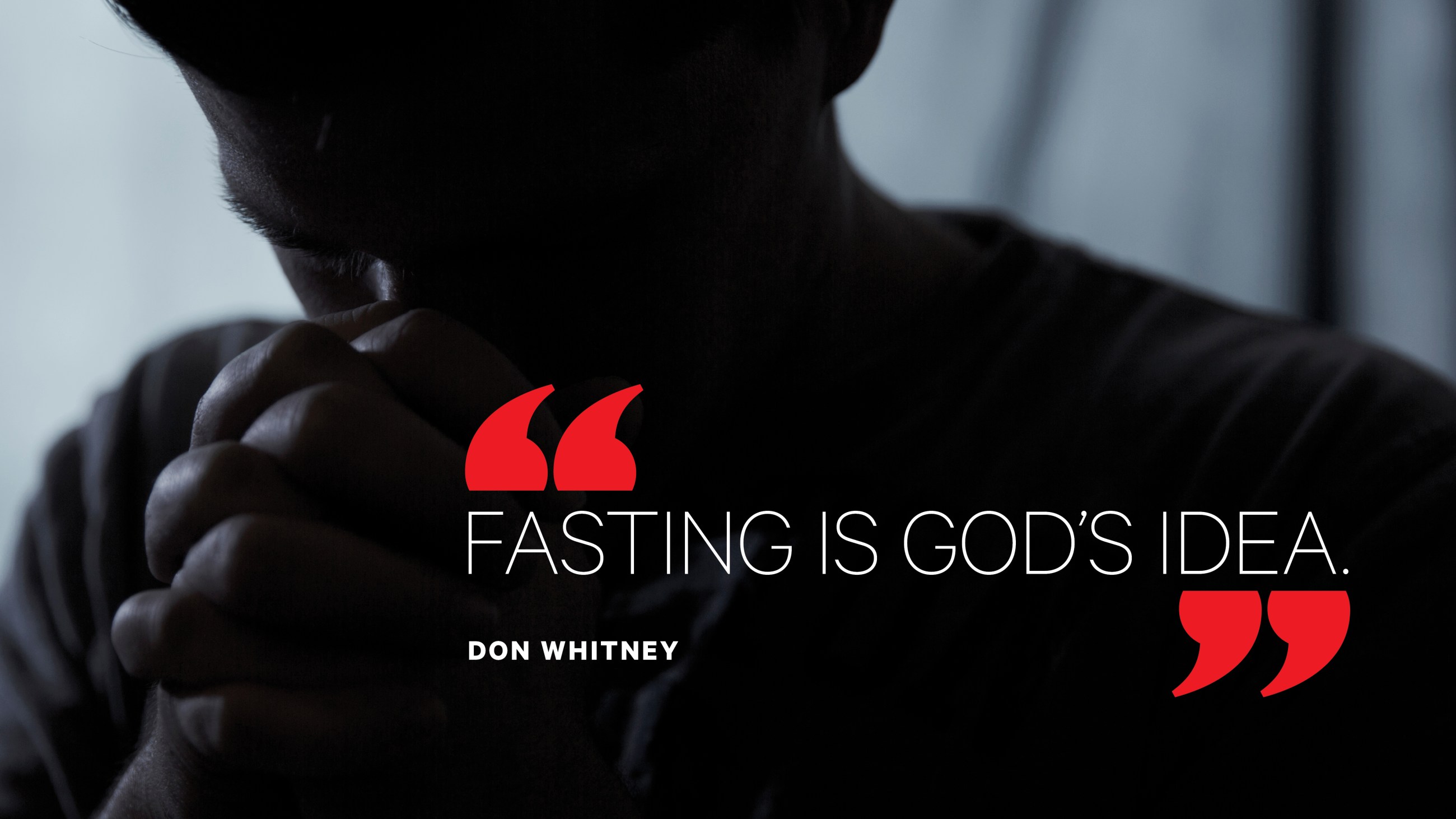
According to Don Whitney, professor of biblical spirituality, a biblical fast needs a purpose beyond hunger.

Christians of a more liturgical bent are in the middle of the ascetic season of Lent, discipling those “desires of the flesh,” hopefully with a measure of cheerfulness. But you don’t have to have high regard for Lent to appreciate the fact that Jesus didn’t merely command fasting, but instead just assumed his followers would fast. When talking about it in the Sermon on the Mount, for example, he began, “And when you fast.”

Why does Jesus think fasting is a normal part of the life of faith? What difference does it really make? Then there is this: If we were to get good answers to those two questions, how exactly do we do it? What constitutes “fasting”? And how can one do it so that (a) it really does increase our hunger for God and (b) brings some cheer into our lives?

According to Don Whitney, professor of biblical spirituality at The Southern Baptist Theological Seminary, fasting has a unique quality among the spiritual disciplines. “Unlike any of the other spiritual disciplines, we actually feel this one in our bodies.”

It’s this trait that, according to Whitney, serves as a constant reminder of whatever purpose we set out to accomplish through our fast.

Whitney joined editor in chief Mark Galli and guest-host and online managing editor Richard Clark on Quick to Listen to talk about the reasons we should fast, pitfalls to avoid, and whether a fast from social media really counts as a genuine application of the ancient spiritual discipline.

What is “Quick to Listen”? Read more.

Follow the podcast on Facebook and Twitter.

You can follow our guest host on Twitter: Richard Clark

?You can subscribe to Mark’s newsletter: The Galli Report

You can follow our guest on Twitter: Don Whitney

Our Latest

Christianity Today: A Declaration of Principles

Where we stand at seven decades—and how readers can help.

Being Human

Steve Cuss & Clarissa Moll: How Your Communication Style Fuels Reactivity—and How to Change It

Communication styles that reduce anxiety: rigid vs fluid, rapid vs deliberate

Death of a Eulogy

Matthew D. Love

Christian funerals are increasingly secular. But how can Christians go quiet on the gospel at these of all moments?

The Vanishing Gifts of Boredom

The Bulletin with Christine Rosen

How technology steals uncomfortable yet formative human experiences.

Reexamining Thomas Jefferson

Thomas S. Kidd

Three books on history to read this month.

From Panic Attacks to Physical Discipline

Justin Whitmel Earley

How one new year turned my life around spiritually and physically.

When the Times Were ‘A-Changin’’

CT reported on 1967 “message music,” the radicalism on American college campuses, and how the Six-Day War fit into biblical prophecy.

Where Your Heart Is, There Your Habits Will Be Also

Elise Brandon

We won’t want to change until we know why we need to and what we’re aiming for.

Apple PodcastsDown ArrowDown ArrowDown Arrowarrow_left_altLeft ArrowLeft ArrowRight ArrowRight ArrowRight Arrowarrow_up_altUp ArrowUp ArrowAvailable at Amazoncaret-downCloseCloseEmailEmailExpandExpandExternalExternalFacebookfacebook-squareGiftGiftGooglegoogleGoogle KeephamburgerInstagraminstagram-squareLinkLinklinkedin-squareListenListenListenChristianity TodayCT Creative Studio Logologo_orgMegaphoneMenuMenupausePinterestPlayPlayPocketPodcastRSSRSSSaveSaveSaveSearchSearchsearchSpotifyStitcherTelegramTable of ContentsTable of Contentstwitter-squareWhatsAppXYouTubeYouTube