In this series


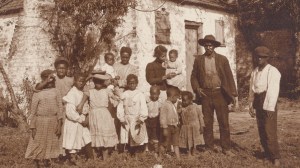
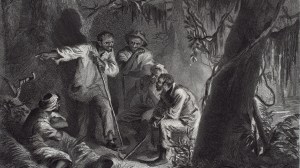

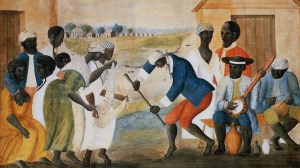
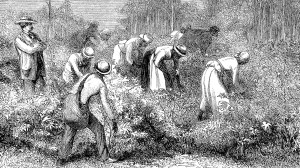

American Slavery As It Is, published anonymously by Reverend Theodore Weld in 1839, sold one hundred thousand copies in its first year. Scholar Dwight Lowell Dumond has called it “the greatest of the anti-slavery pamphlets; in all probability the most crushing indictment of any institution ever written.”
What made it so powerful? Weld gathered over one thousand eye-witness accounts of slavery’s brutality—not only from shocked northerners, but also from reports in southern newspapers. Here are samples.
From Weld’s introduction: Two million seven hundred thousand persons in these States are in this condition [of slavery]. They were made slaves and are held such by force, and by being put in fear, and this for no crime! Reader, what have you to say of such treatment? Is it right, just, benevolent? Suppose I should seize you, rob you of your liberty, drive you into the field, and make you work without pay as long as you live, would that be justice and kindness, or monstrous injustice and cruelty? …
We will furnish the reader with a few personal narratives furnished by individuals, natives of slave states and others … facts and scenes of which they were eye-witnesses …
A sample account: Mr. Ezekiel Birdseye, a gentleman of known probity, in Cornwell, Litchfield County, Conn., gives the testimony which follows:—
“A Baptist clergyman in Laurens District, S.C. whipped his slave to death, whom he suspected of having stolen about sixty dollars. The slave was in the prime of life and was purchased a few weeks before for $800 of a slave trader from Virginia or Maryland. The coroner, Wm. Irby, at whose house I was then boarding, told me, that on reviewing the dead body, he found it beat to a jelly from head to foot. The master’s wife discovered the money a day or two after the death of the slave. She had herself removed it from where it was placed, not knowing what it was, as it was tied up in a thick envelope.
“I happened to be present when the trial of this man took place, at Laurens Court House. His daughter testified that her father untied the slave, when he appeared to be failing, and gave him cold water to drink, of which he took freely. His counsel [attorney] pleaded that his death might have been caused by drinking cold water in a state of excitement. The Judge charged the jury, that it would be their duty to find the defendant guilty, if they believed the death was caused by the whipping; but if they were of opinion that drinking cold water caused the death, they would find him not guilty! The jury found him—not guilty!”
Copyright © 1992 by the author or Christianity Today/Christian History magazine. Click here for reprint information on Christian History.