





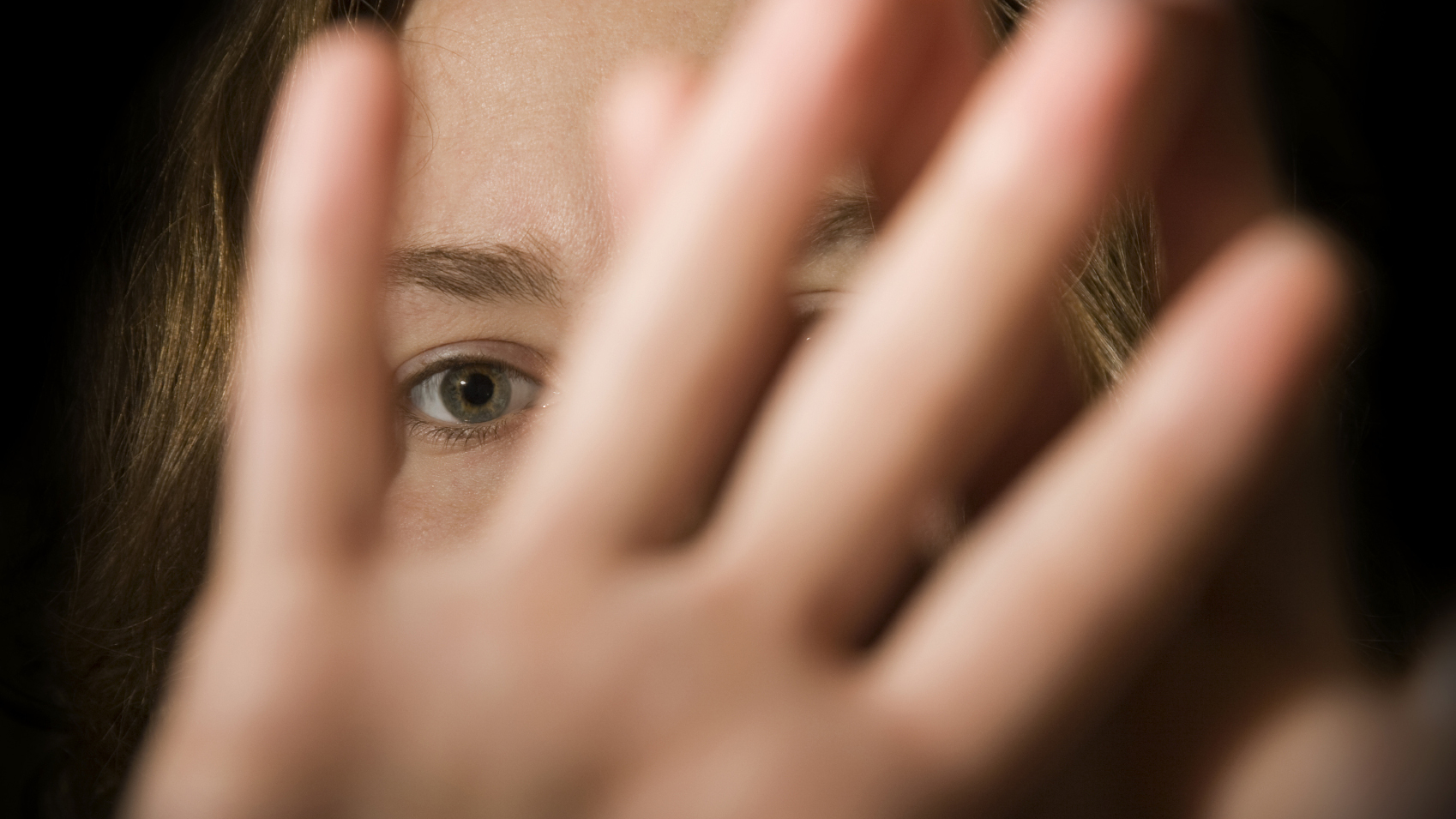

I can't write about domestic violence without a nod to my current context: I live in a small, impoverished country in sub-Saharan Africa where domestic abuse, including physical and sexual violence against women and girls, is rampant. Women have few resources for getting out, getting safe, and getting help.

One of my friends and colleagues—a minister in the largest Protestant church in this country—says churches are seldom able to address the issue. Domestic violence is considered more or less "normal," she tells me, and clergy are inclined to dismiss it either as unimportant or as something to which a God-fearing woman should submit.
Until I read Is It My Fault? Hope and Healing for Those Suffering Domestic Violence (Moody Publishers), by Justin S. and Lindsey A. Holcomb, I had no idea that the leading cause of death for African American women ages 15 to 45 is murder at the hands of a partner. Nearly three out of four Americans personally know someone who has faced domestic violence (90 percent of the victims are women). As the Holcombs show, the effects of domestic abuse are wide-ranging, unpredictable, severe, and long-lasting, affecting both the women and their children. Boys witnessing domestic violence, for example, are twice as likely to become abusers themselves.
Justin (a pastor and adjunct professor at Reformed Theological Seminary) and his wife, Lindsey (a case manager at a domestic violence shelter), answer the title's question with an unequivocal "no." They also acknowledge that while "many victims believe clergy have the most potential to help them," in fact "[clergy] are too often the least helpful and sometimes even harmful."
Indeed, years ago, I sat through lectures in which a Bible professor insisted that spousal abuse was not grounds for divorce, and that submission required enduring some forms of abuse. A popular pastor-theologian once made a similar suggestion in a Q&A session. He said that if the household abuse is "not requiring her to sin but simply hurting her," then he thinks she can endure "verbal abuse for a season" and "perhaps being smacked one night" before going to the church for help. (He later clarified that women could seek help from the authorities if the situation warrants it.)
By contrast, the Holcombs are unapologetically bold, refusing to minimize or dismiss any form of abuse in any circumstance. Following Georgetown professor Leo D. Lefebure, the authors define abuse as "the attempt of an individual or group to impose its will on others through any nonverbal, verbal, or physical means that inflict psychological or physical injury." They offer sage and sensible advice (including a list of comprehensive resources in the appendices) for sufferers and also for family, friends, and ministry professionals to whom victims may turn for help. And they persuasively address distorted theologies that are sometimes marshaled to defend abuse.
Is It My Fault? insists passionately on the sufficiency of God's grace to strengthen and heal victims and survivors. It also invokes the biblical category of lament. The Holcombs say professional help—including psychiatric medication and counseling—in no way conflicts with finding healing through the gospel of grace. Victims of abuse are "invited by God to cry out for him to do what he has promised to do: destroy evil and remove everything that harms others and defames God's name."
Women facing domestic violence often feel that they have no good options: They can honor God or report abuse; they can rely on prayer and divine intervention or seek professional help. Rejecting false choices, Justin and Lindsey Holcomb speak into the lives of such women with balance, compassion, and biblical authority.
Rachel Marie Stone is a contributor to Her.meneutics. She is the author of Eat With Joy: Redeeming God's Gift of Food (InterVarsity Press), and her Religion News Service blog is Finding Faith, Finding Home.







