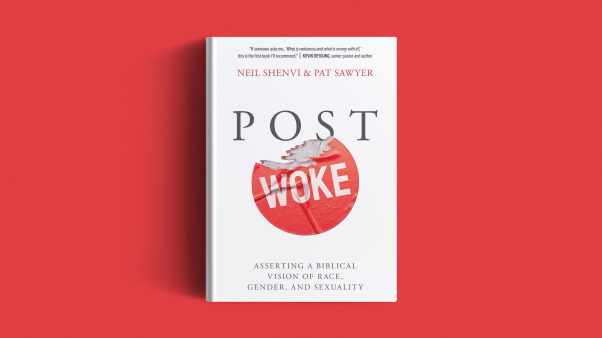

For some "kingdom" means acting in the public sector for the common good in order to create a world with better conditions. For others it has come to mean little more than salvation, or what I call "redemptive moments." But those two definitions are gross reductions of what the Bible says. Kingdom includes ethics (though they are not to be secularized as progressives sometimes do) and it brings redemption (as many Christians are prone to say), but those are only two aspects of a much fuller story about kingdom in the Bible. Until we get each of the elements into play we are not looking at what the Bible is saying.
— Scot McKnight, from "Redefining the Kingdom." Read the full interview at Christianitytoday.com/parse
Worship Sandwich
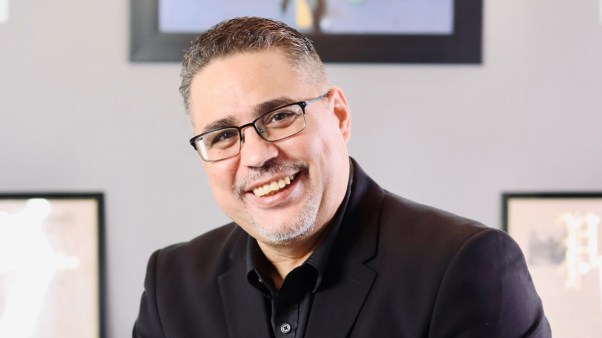
"… As for reciting creeds, well, no: evangelicals normally do not recite creeds in our services. Evangelicals that are not part of liturgical traditions—and that's most of us—instead tend to worship in 'hymn sandwich' services: lots of singing, with maybe a greeting and some announcements in the interstices, then a longish sermon, then more singing—with perhaps a collection and a closing prayer … no call to worship, no confession and absolution of sin, no series of Scripture readings (OT, Gospel, Epistles), no congregational prayers, no "Our Father," no Creed … and so on. It's pretty bad—and it's actually regressing, I think. When Robert Webber and others chided and educated evangelicals about liturgy in the 1970s and 1980s, some responded by adding (back) elements to their services, but nowadays the trend-setting churches seem to have fallen back into two halves—singing and preaching—which, among other bad consequences, has put a very heavy burden on worship leaders and preachers to perform at a high standard, since that's pretty much all there is to the service."
—John Stackhouse, "American 'Evangelicals' and Heresy," JohnStackhouse.com
Weeping Over 2014
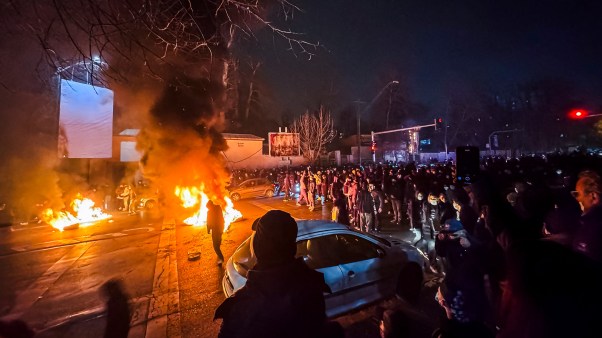
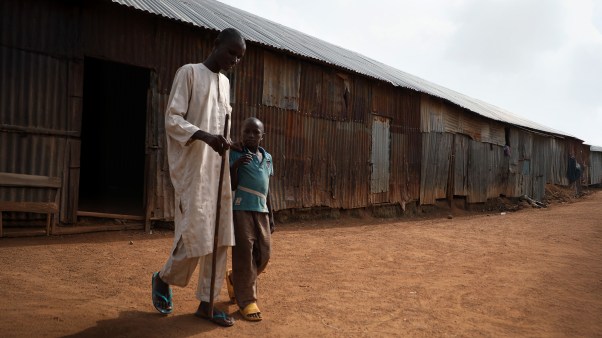
It's difficult to prove that 2014 has been worse than other years, but it sure feels that way. Yet at just such times, we might recall why we choose, sometimes joyfully, to let ourselves feel the weight of the world's sufferings. … Jesus stood at the grave of Lazarus and wept (John 11:35). Today, we can stand with Jesus as we behold the tomb that is the world. To be like Christ at such times means to weep. We do not weep without hope, for we know that Jesus, as he did with Lazarus, will bring new life. Yet part of growing into the full stature of Christ is to face suffering and learn how to weep.
—Mark Galli, "The Weight of Ferguson, ISIS, and Boko Haram," Christianity Today
3 Myths About PTSD
Myth 1: Everyone is prone to develop PTSD after trauma. "One common assumption is that everyone is prone to developing post-traumatic stress disorder, or PTSD, and in the 1990s this led to attempts to get people to participate in a single counseling session or psychological debriefing. This approach has not been shown to be effective. When you look at the evidence, it is not true that most people develop PTSD. Immediately after a traumatic event, people understandably feel shocked, anxious and afraid. Events loom large in their minds, and they might find themselves plagued for some days or weeks by flashbacks, nightmares, and a constant anxiety that they are not safe. None of this is pleasant, but these are all very normal reactions."
Myth 2: Only people who are weak suffer from PTSD. "Why, even after the most horrendous experiences, some people develop PTSD and others don't, is still a mystery. The psychiatrists' Bible, DSM, until recently included a person's responses to the initial event (intense fear, helplessness or horror) were thought to result in more PTSD, but those indicators have been removed from the newest version of the manual, because it's been found that they don't predict who will and won't suffer."
Myth 3: Kids don't experience PTSD. "It is also a myth that when children go through something traumatic, they just bounce back. They too can suffer from PTSD. Not surprisingly exposure to violence makes a difference, but it's still hard to guess who will be affected, when even the number of traumatic events they've experienced doesn't predict whether they will develop PTSD or not." A key takeaway for pastors: for those who have experienced trauma, supportive community seems to play an important role in helping those at risk for developing PTSD.
—Claudia Hammand, "PTSD: Do most people get it after terrifying incidents?"(BBC)
Copyright © 2015 by the author or Christianity Today/Leadership Journal. Click here for reprint information on Leadership Journal.