



(Read an excerpt from the Beautiful Orthodoxy Book of the Year.)

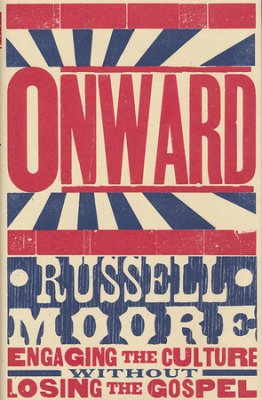
Onward: Engaging the Culture without Losing the Gospel
Russell Moore (B&H)
“Moore takes on the ‘almost-gospel,’ a form of cultural Christianity that has existed comfortably in America since its inception. With the cultural winds now changing, however, he commends Christians toward strangeness, toward living in joyful distinction from mainstream society. Onward pointedly challenges Christians to embrace the full gospel as pilgrims in a secularizing society.” —Chris Horst, vice president of development at HOPE International, co-author of Mission Drift
“Vigorously engaged and engaging, Onward explores what it means for believers to be both courageously orthodox and prophetically beautiful in our witness for Christ. When we are, says Moore, we rise to see ‘even our most passionate critics not as an argument to be vaporized but as a neighbor to be evangelized.’ This is meaty, challenging, exciting stuff—a perfect fit for our culturally divisive times.” —Patricia Raybon, co-author of Undivided: A Muslim Daughter, a Christian Mother, Their Path to Peace
“Moore provides a primer on how our commitments to Christ and his kingdom (as opposed to our political, social, and cultural agendas) should shape not only how we live our lives, but also what our lives should say to a watching, listening world. Combining the beauty of what he calls the ‘true gospel’ with a biblical orthodoxy that will inescapably mark Christians as ‘strange,’ Moore holds forth on the charged issues defining the 21st century. His colorful style will occasionally take readers aback—but ultimately keep them pressing on to a satisfying end.” —Harold Smith, president and CEO of Christianity Today
(Sarah Pulliam Bailey profiled Russell Moore in the September 2015 issue of CT.)
Award of Merit
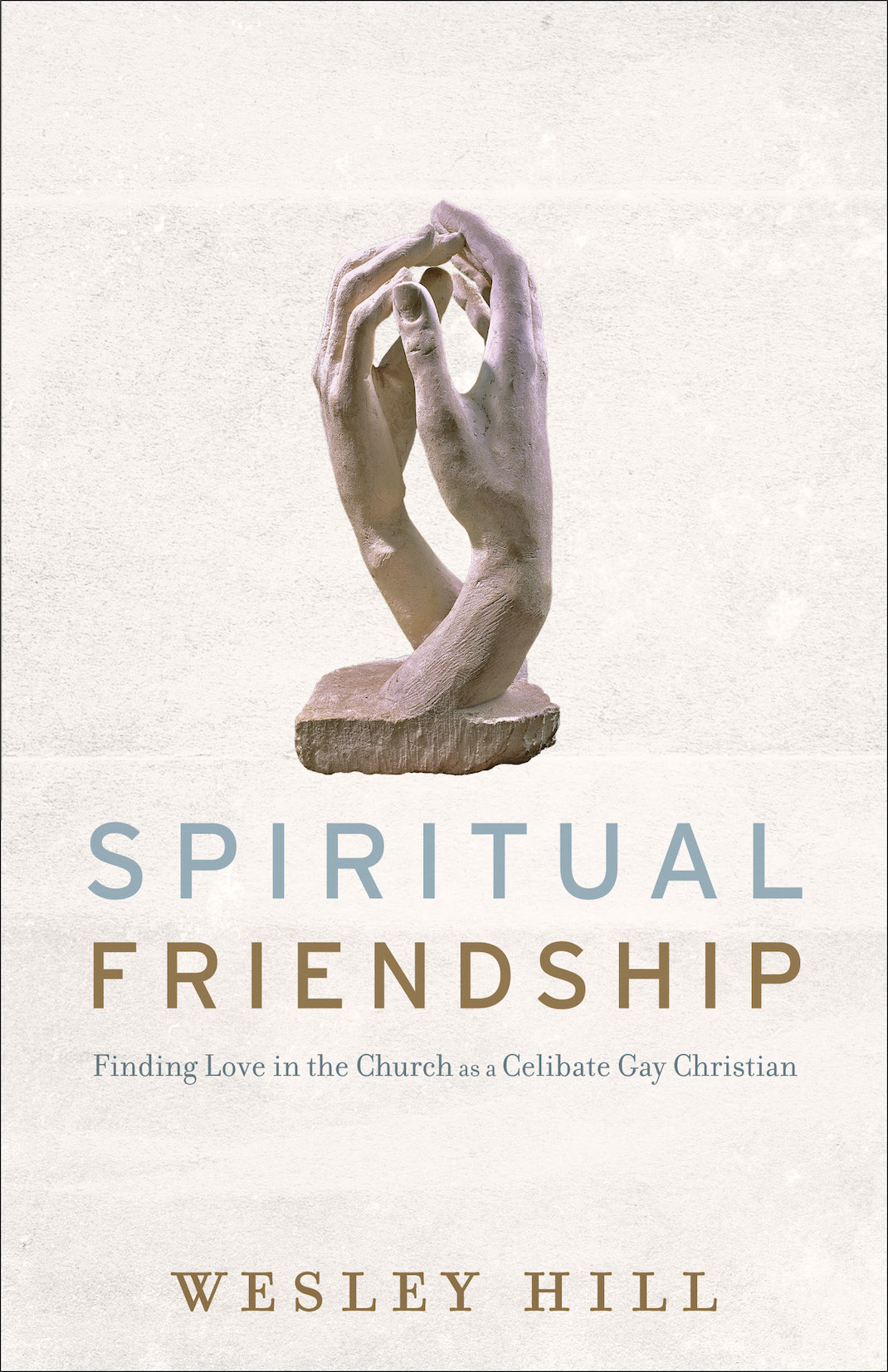
Spiritual Friendship: Finding Love in the Church as a Celibate, Gay Christian
Wesley Hill (Brazos)
“Spiritual Friendship is challenging and important while remaining deeply personal, intimate, and hopeful. In a time when we face a crisis of loneliness—Mother Teresa called it ‘the greatest disease in the West’—Hill casts a powerful vision of Christian friendship as alluring as it is faithful. Weaving together theology, church history, and his own experience as a celibate gay Christian, the book clarifies how our contemporary concept of friendship has been formed (and malformed). Hill does an excellent job giving voice to the profound and often silent isolation in which many of us live—whether married or single. He offers a uniquely articulate, sensitive, compassionate, respectful, and orthodox voice.” —Tish Harrison Warren, Anglican priest, campus minister at University of Texas–Austin
“Hill tackles not only the currently pressing topic of what hope Christianity has to offer those experiencing themselves as gay or lesbian, but also the deeper topic of friendship in an expressive-individualist age—something that’s relevant to everyone, regardless of sexual orientation. The book makes an acute diagnosis of our atomized lives in a world that imagines sex as the only source of real intimacy, and marriage as the only setting for real commitment. It retrieves elements of the historic church tradition relating to friendship and commitment. And all this is presented in sensitive, evocative language, with a reverence for literature, language, and art that makes it a delight to read. Hill’s account has a raw, even wrenching, honesty that’s essential to authentic Christian testimony in our broken world.” —Andy Crouch, executive editor, Christianity Today magazine
“In this well-versed yet vulnerable book, Hill urges readers to reconsider the centrality of friendship—not only for the flourishing of celibate gay Christians such as himself, but also for the flourishing of the church, which bears witness to bonds that are thicker than blood, even thicker than marital vows. In a time of individualization and loneliness, we need reminders like this that we belong to each other and for each other.” —Katelyn Beaty, managing editor, Christianity Today magazine
(Wesley Hill wrote CT's September 2014 cover story, "Why Can't Men Be Friends?")
Other Nominees
Blind Spots: Becoming a Courageous, Compassionate, and Commissioned Church
Collin Hansen (Crossway)
(Our review of Blind Spots appeared in the May 2015 issue of CT.)
Michael Reeves (IVP Academic)
(See an excerpt from Rejoicing in Christhere.)
(Don't miss the rest of CT's 2016 Book Awards.)