Table of contents
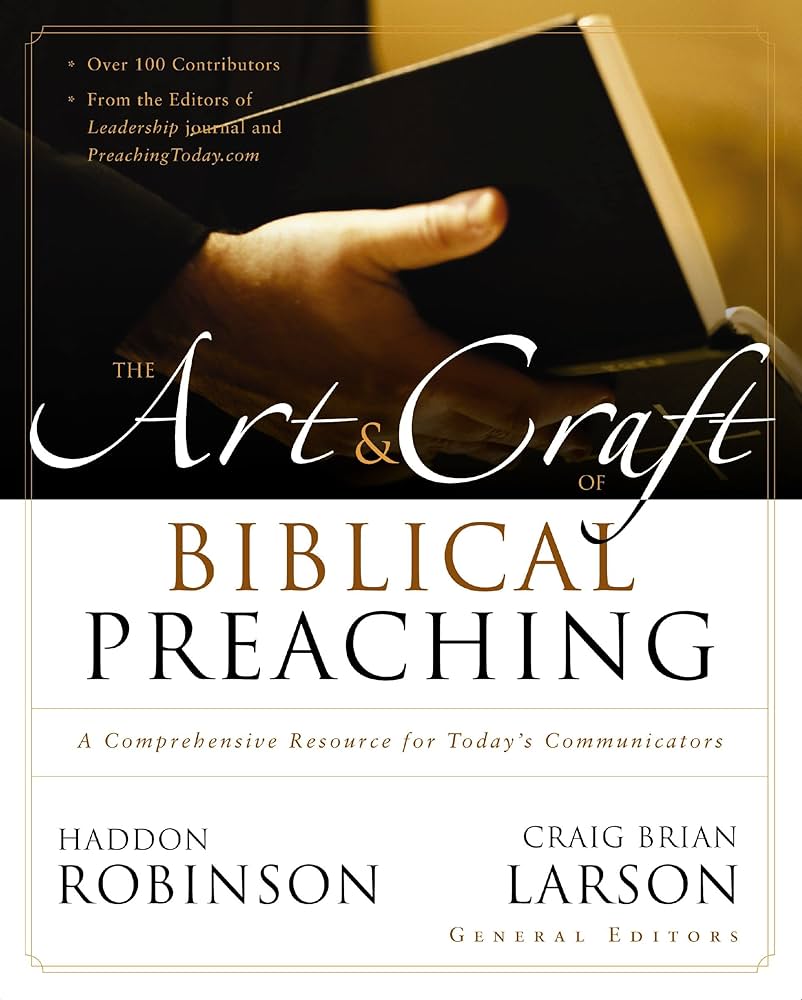
Art & Craft of Biblical Preaching
A Comprehensive Resource for Today’s Communicators
-
The High Call of Preaching
- 1 Core Convictions of Biblical Preaching
- 2 A Definition of Biblical Preaching
- 3 A Weekly Dose of Compressed Dignity
- 4 Overfed, Underchallenged
- 5 Theology of Powerful Preaching
- 6 Preaching That Raises Our Sights
- 7 Leading and Feeding: How Preaching and Leadership Intersect
- 8 John 3:16 in the Key of C
- 9 Spiritual Formation through Preaching
- 10 Preaching Life into the Church
- 11 My Theory of Homiletics
- 12 Staying on the Line
- 13 History of Preaching
-
The Spiritual Life of a Preacher
- 14 A Cup Running Over
- 15 The Patented Preacher
- 16 I Prayed for My Preaching
- 17 How Does Unction Function?
- 18 Squeaky Clean
- 19 Required Reading
- 20 Rightly Dividing the Preaching Load
- 21 Preaching Through Personal Pain
- 22 A Prophet among You
- 23 Burning Clean Fuel
- 24 Backdraft Preaching
- 25 Why I Pace Before I Preach
- 26 Preaching to Convulse the Demons
- 27 Holy Expectation
-
Considering Hearers
- 28 Preaching to Everyone in Particular
- 29 The Power of Simplicity
- 30 View from the Pew
- 31 Preaching to Ordinary People
- 32 Why Serious Preachers Use Humor
- 33 Connect Hearers through Dialogue
- 34 Self-Disclosure That Glorifies Christ
- 35 How to Be Heard
- 36 Opening the Closed American Mind
- 37 Turning an Audience into the Church
- 38 Preaching to Change the Heart
- 39 Preaching Truth, Justice, and the American Way
- 40 Preaching Morality in an Amoral Age
- 41 The Intentional Bridge Builder
- 42 Connecting with Postmoderns
- 43 Preaching Amid Pluralism
- 44 Connecting with Non-Christians
- 45 How to Translate Male Sermons to Women
- 46 He Said, She Heard
- 47 Connecting with Men
- 48 Creating a Singles-Friendly Sermon
- 49 Preaching to Preschoolers
- 50 Hispanic American Preaching
- 51 African American Preaching
- 52 Asian American Preaching
- 53 Work Wins?
- 54 One Sermon, Two Messages
- 55 The Playful Preacher
- 56 What Authority Do We Have Anymore?
-
Interpretation and Application
- 57 Why the Sermon?
- 58 Getting the Gold from the Text
- 59 Faithful First
- 60 God’s Letter of Intent
- 61 Five Bird-dogging Questions for Biblical Exposition
- 62 The Rules of the Game
- 63 Why All the Best Preachers Are–What a Concept!–Theological
- 64 Letting the Listeners Make the Discoveries
- 65 Conviction and Compassion
- 66 The Inadequacy of “Yes” Theology
- 67 What Great Coaches and Preachers Know
- 68 Preaching That Opens Ears and Hearts
- 69 Fundamentals of Genre
- 70 From B.C. to 11 a.m.
- 71 The Big Idea of Narrative Preaching
- 72 Apply Within
- 73 Application Without Moralism
- 74 Blending Bible Content and Life Application
- 75 Showing Promise
- 76 Helping Hearers Practice What We Preach
- 77 The Heresy of Application
- 78 Preaching for True Holiness
- 79 Less Joe, More Jesus
- 80 Preaching That Promotes Self-Centeredness
- 81 The Danger of Practical Preaching
- 82 Grace: A license to Wander?
- 83 The Rich Sound of Grace and Holiness
-
Structure
- 84 Set Free from the Cookie Cutter
- 85 Say and Do
- 86 Connecting Biblical Content with Contemporary Audiences
- 87 Clearly
- 88 Skills of Oral Clarity
- 89 Questions That Put Muscle on Bones
- 90 Better Big Ideas
- 91 The Power of Sequence
- 92 Outlines That Work for You, Not against You
- 93 The Tension Between Clarity and Suspense
- 94 Lifeblood of Preaching
- 95 Alliteration Downfalls
- 96 Modulating Tension
- 97 The Purpose-Driven Title
- 98 Why Should I Listen to You?
- 99 Satisfying Conclusions
-
Style
- 100 Determining Your Strengths and Weaknesses
- 101 Interesting Preaching
- 102 Crafting an Experience
- 103 Seven Habits of Highly Effective Preachers
- 104 The Sermon’s Mood
- 105 Teaching the Whole Bible
- 106 Dramatic Expository Preaching
- 107 Verse-by-Verse Sermons That Really Preach
- 108 What Makes Textual Preaching Unique?
- 109 Can Topical Preaching Be Expository?
- 110 Topical Preaching Can Be Truly Biblical
- 111 Topical Preaching on Bible Characters
- 112 Topical Preaching on Contemporary Issues
- 113 Topical Preaching on Theological Themes
- 114 Making the Most of Biblical Paradoxes
- 115 Getting the Most from the Sermon Series
- 116 The Next Big Thing
- 117 The Compelling Series
- 118 First Person Narrative Sermons
- 119 Biblical Preaching Is about Life Change, Not Sermon Style
- 120 Seven Timeless Principles for Reaching Lost People
- 121 Evangelistic Preaching in the Local Church
- 122 Felt-Needs Preaching
- 123 How to Preach Boldly in a “Whatever” Culture
- 124 Preaching with a Leader’s Heart
- 125 Critique of the New Homiletic
-
Preparation
- 142 Why I Pat the Bible on My Nightstand
- 143 Busting Out of Sermon Block
- 144 Centered
- 145 A Long, Rich Conversation with God
- 146 A Mysterious Impulse to Pray
- 147 Preparing the Messenger
- 148 The Hard Work of Illumination
- 149 Heart-to-Heart Preaching
- 150 Imagination: The Preacher’s Neglected Ally
- 151 Preaching That Magnifies God
- 152 When Is a Sermon Good Enough?
- 153 How to Build a First-Rate Library
- 154 What Makes a Sermon Deep?
- 155 Before You Preach
- 156 Inspiration Points
- 157 Simplify
- 158 Using Someone Else’s Sermon
- 159 Planning for a Richer, Deeper Sermon Series
-
Delivery
- 160 The Source of Passion
- 161 Place of Pathos in Preaching
- 162 Preaching with Intensity
- 163 No Notes, Lots of Notes, Brief Notes
- 164 In the Eye of the Hearer
- 165 No Voice, No Preach
- 166 Eliminating My Um, Um, Annoying Pulpit Mannerisms
- 167 Reading Scripture in Public
- 168 The Importance of Being Urgent
- 169 The Day I Lost My Nerve
-
Special Topics
- 170 When You Don’t Look Forward to Special Days
- 171 Preaching the Terrors
- 172 Preparing People to Suffer
- 173 Preaching Hell in a Tolerant Age
- 174 Speaking into Crisis
- 175 When the News Intrudes
- 176 Redemptive Sermons for Weddings and Funerals
- 177 The Landmark Sermon
- 178 You Had to Bring It Up
- 179 Preaching on Contemporary Issues
- 180 Preaching Sex with Compassion and Conviction
- 181 The Ever-More-Difficult Marriage Sermon
- 182 When the Sermon Goes to Work
- 183 Bridging the Marketplace Gap
- 184 Sermons on Giving That People Actually Like!
What is bold proclamation, and what is it not?
Bold proclamation is not speaking loudly, with more emotion, or even with more passion. It means working through Scripture, rightly dividing it, and then bringing it with unction from the Holy Spirit.
Some preachers try to study for insight, while others pray for passion. Bold proclamation is finding the balance between the two. A bold proclaimer gives the listener a lot to think about, but he delivers it with an energy that keeps listeners engaged.
Bold proclamation shows the relevance of the Word of God to what the culture is grappling with, and it does not cower. It is uncompromising in stating the truth. The classic example of a bold proclaimer is Paul on Mars Hill in Acts 17, where he assessed the local culture, understood the philosophy of the day, and then tactfully but powerfully brought the message of the gospel.
So bold proclamation needs to be tempered by knowing the audience?
Very much so. In Acts 2 Peter addressed a people conversant with the Scriptures, and in Acts 17 Paul proclaimed to a largely pagan culture. Their gospel was the same, but their ways of presenting it were different.
How is proclaiming boldly to believers different from proclaiming boldly to an unbelieving audience?
When we proclaim God's Word to the church, we need to trust the authority and inspiration of Scripture, and not in any way feel we are "trying" to make the Bible relevant. Rather, we understand it is relevant. Everything we need to know about God is in its pages. We can step into the pulpit with boldness and confidence because of the sufficiency of Scripture. We are just letting the lion out of the cage.
I once asked Billy Graham, "If you knew as a young preacher what you know now, how would your preaching have been different? Would you have emphasized something more?"
Billy looked at me with those steely blue eyes and said, "The cross of Christ and the blood. That's where the power is."
Paul said when he preached the gospel to the Corinthians he wanted to know nothing else except Jesus Christ and him crucified. And then he warns us not to shroud the message of the gospel with flowery words or human wisdom. We can deprive the gospel of its power when we try to add to or take away from it. The cross resonates with energy when it is proclaimed in its simplicity.
What else weakens proclamation?
The first thing that comes to mind is a fear of offending people. We cannot let the cultural mythology of moral relativism and the mandate of tolerance water down the gospel. We have to believe that Jesus Christ is the only way to God, and we have to say that sooner or later.
We also have to beware of preaching through too much personality. People are looking for a preacher who is confident, who can hold their interest—those are assets—but also for an authentic person, not a pulpit personality. Many non-believers are turned off by preachers with exaggerated inflections, dramatic speech, and an on-stage persona. I want to show instead that I'm a real person with the same struggles as everyone else, but God is changing my life through his Word.
Would you agree that many people associate bold proclamation with flamboyance?
Yes, but I don't advocate flamboyance. Nor do I advocate dullness. I advocate biblical accuracy coupled with an attempt to engage the audience's interest and hold it. That can be done in the same tone of voice I normally speak with. Instead of focusing on my performance, I focus on my listeners.
For example, I watch for signs that I'm losing people: watch-checking, fidgeting. When that happens, I shift gears with an illustration or a touch of humor.
How else can the preacher keep non-believers engaged with the bold proclamation of Scripture?
When Paul was on Mars Hill, he began by saying, "Men of Athens, I perceive that you are spiritual." He was building a bridge to his audience. I likewise put a lot of preparation into my introductory remarks to build bridges.
We also have a great responsibility to preach in a way that people can hear. We, like Paul, have to speak in the language of the people. Today when I speak outside my congregation, I no longer assume my listeners know biblical terminology. So instead of saying, "You need to repent and give your life to Christ," I say, "You need to repent, which means doing a U-turn in the road of life, to turn away from how you've been living and toward Jesus Christ."
Do preachers have to frame their sermons within the philosophy of the current generation, postmodernism for example?
Yes and no. We do want to use terminology that people understand and show how it applies, but we cannot change the message to cater to an incorrect worldview. Instead we need to reeducate people to a biblical worldview.
People develop an appetite for what you feed them. If you cater to their non-Christian viewpoints, you strengthen those views. Rather, I try to bring them to a new place.
On Mars Hill, Paul acknowledged their worldview, their worship of an "unknown god." But then he told them their view was missing the good news of a knowable God. This, he said, "I am going to proclaim to you."