Timeless wisdom for pastors with forward-thinking solutions.


Timeless wisdom for pastors with forward-thinking solutions.



Use a sub-point or the author’s logic as the main point of your sermon.
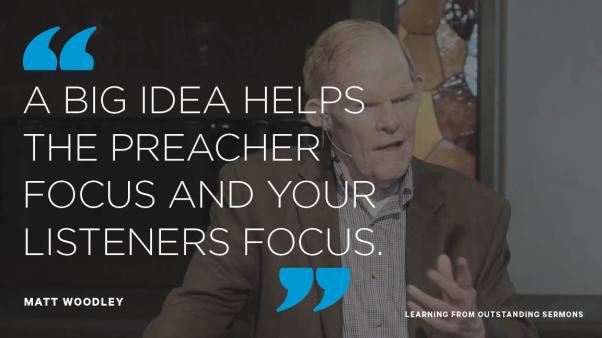
Finding the central idea of the text and staying focused on it.
For those who speak a challenging word, the Word of God is fire in the bones.
How to preach one theme for a year in a way that really results in Christ-like spiritual formation

If you haven’t found the unexpected, you haven’t fully understood the text.
What it means to identify with your hearers

Can we rightly say that when the preacher speaks, God speaks? What Calvin can teach us about preaching with authority
On faithfulness and flexibility in gospel proclamation. To what degree should we adapt to the beliefs and practices of the culture of those who do not know Christ in order to reach them for Christ? An exposition of 1 Corinthians 9:19-23
Just who do you think you are telling others what to do, what to believe? In any culture, in any age, we will preach with confidence when we correctly understand where our authority comes from.

Three principles for drawing the good news out of a dark chapter in Israel’s history.
Letting the audience have a say in the sermon
Preaching for spiritual formation means casting a vision for a new way of life.
Learning to listen is the first step toward preaching for spiritual formation.
Two pastors tell how emphasizing spiritual formation transformed their preaching.
If you want some excitement in your sermon, you can always raise your voice or tell a story. But if you really want to give hearers a charge, preach doctrine.

How can you blow the whistle when people don’t believe there are rules?

How to capitalize on the inexhaustible riches of Scripture in your preaching without sounding like a Bible commentary.