
History

From the Archives: Andrew Carnegie

The Gospel of Wealth (1900)

When “robber baron” Andrew Carnegie (1835–1919) retired from business life, he donated around $350 million to philanthropic causes. From his “rather successful” business enterprises he donated huge sums to and towards universities, libraries, institutes, churches, foundations, etc. For Carnegie, “the surplus wealth of the few will become, in the best sense, the property of the many.”

Rich men should be thankful for one inestimable boon. They have it in their power during their lives to busy themselves in organizing benefactions from which the masses of their fellows will derive lasting advantage, and thus dignify their own lives. The highest life is probably to be reached, not by such imitation of the life of Christ as Count Tolstoi gives us, but while animated by Christ’s spirit by recognizing the changed conditions of this age, and adopting modes of expressing this spirit suitable to the changed conditions under which we live, still laboring for the good of our fellows, which was the essence of his life and teaching, but laboring in a different means.

This, then, is held to be the duty of the man of wealth: To set an example of modest, unostentatious living, shunning display or extravagance; to provide moderately for the legitimate wants of those dependent upon him; and, after doing so, to consider all surplus revenues which come to him simply as trust funds, which he is called upon to administer… to produce the most beneficial results for the community. (Originally entitled, Wealth, in North American Review, 1889)

Copyright © 1988 by the author or Christianity Today/Christian History magazine. Click here for reprint information on Christian History.


Our Latest

You Can’t Love the Church in the Abstract

Matthew D. Love

It’s easy to say you love the church universal, the whole bride of Christ. But Scripture unmistakably calls us to love the local congregation too.

Gen Z Isn’t Asking Why Bad Things Happen to Good People

Jared Dodson

Christians have long asked how a good God can let evil happen. My students want to know when the evil will get their due.

How God Helps Me Eat on $33 Per Week

It’s a very faith-stretching way to get by, compared to trusting in a salary and benefits.

News

Kenyan Christians Battle Domestic Violence Epidemic

Harriet Chimea

Nearly half of East African women experience abuse at home. Church leaders are working to stop it.

The Russell Moore Show

HW Brands on the Patriarch of America

What does it mean to call someone the “father” of a nation?

News

Franklin Graham to Hold Evangelical Gathering in Authoritarian Belarus

Pastors of the small evangelical community are eager to unite, but religious freedom experts doubt the event will lead to greater freedoms.

Excerpt

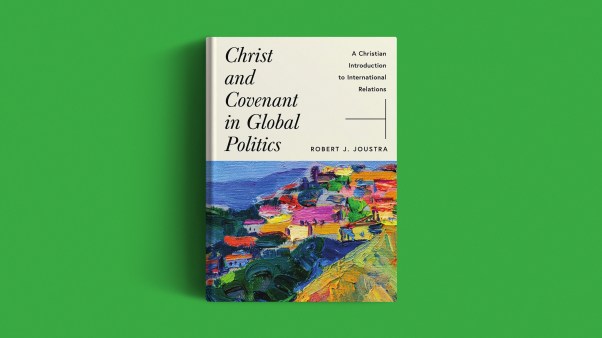
In the Beginning Was the Word, Not the State

Robert J. Joustra

An excerpt from Christ and Covenant in Global Politics: A Christian Introduction to International Relations.

Review

The Apostle Paul Was Not an Escapist

Justin Ariel Bailey

Theologian Nijay Gupta’s new book argues that the goal of the Christian life is not to “go up.”

addApple PodcastsDown ArrowDown ArrowDown Arrowarrow_left_altLeft ArrowLeft ArrowRight ArrowRight ArrowRight Arrowarrow_up_altUp ArrowUp ArrowAvailable at Amazoncaret-downCloseCloseellipseEmailEmailExpandExpandExternalExternalFacebookfacebook-squarefolderGiftGiftGooglegoogleGoogle KeephamburgerInstagraminstagram-squareLinkLinklinkedin-squareListenListenListenChristianity TodayCT Creative Studio Logologo_orgMegaphoneMenuMenupausePinterestPlayPlayPocketPodcastprintremoveRSSRSSSaveSavesaveSearchSearchsearchSpotifyStitcherTelegramTable of ContentsTable of Contentstwitter-squareWhatsAppXYouTubeYouTube