
In this series

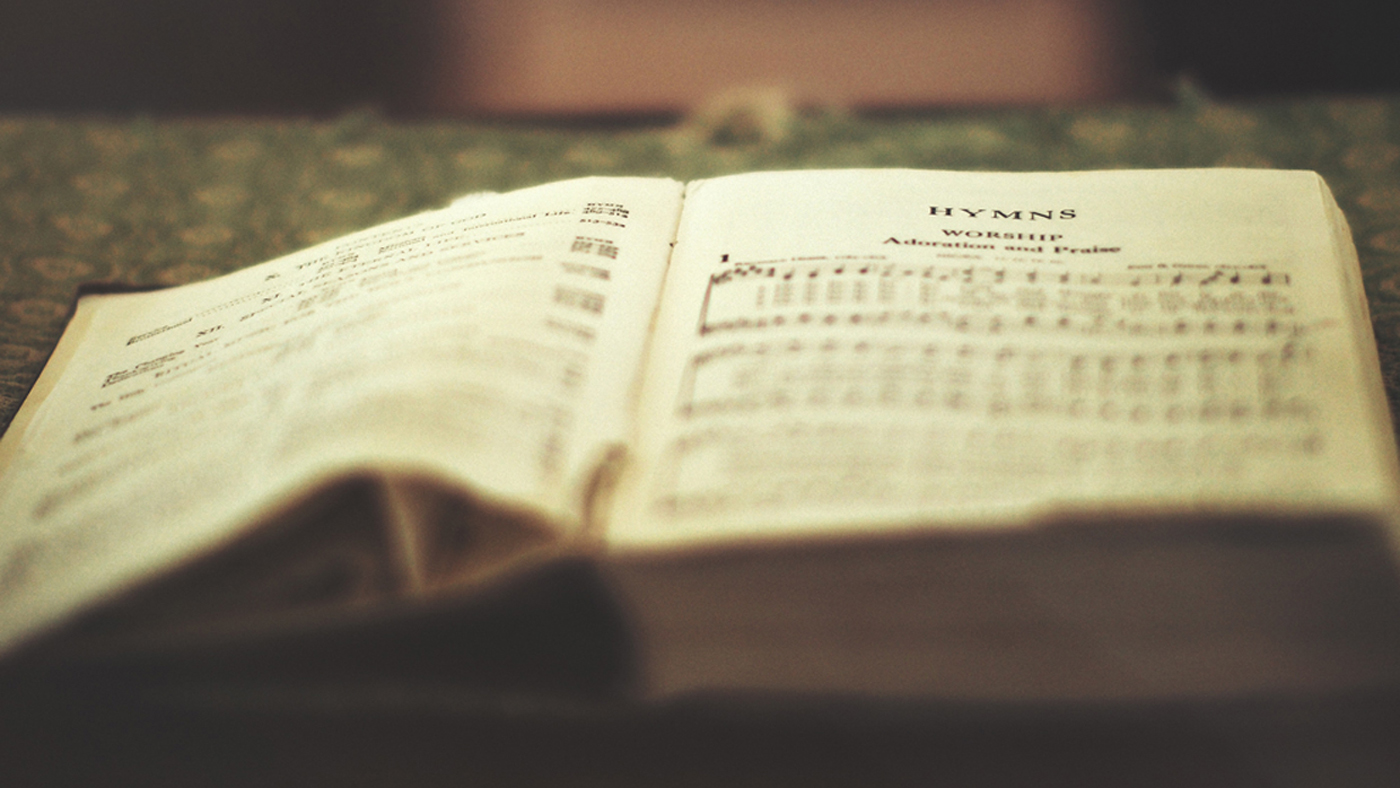
Each week, around the world, thousands of Christian congregations raise their voices in worship:
Praise God from whom all blessings flow;
Praise him, all creatures here below;
Praise him above, ye heavenly host:
Praise Father, Son, and Holy Ghost.
In countless languages this “Doxology” is treasured. Yet few know the story behind these words, first published in 1709, and fewer still the life of their composer, Anglican Bishop Thomas Ken (1637–1711).
Raised by “The Compleat Angler”
Thomas Ken was orphaned in childhood. He was raised by his older sister, Ann, and her husband, Izaak Walton, noted for his classic The Compleat Angler.
In 1651, Ken became a scholar of Winchester College and, in 1661, received his B.A. at New College, Oxford. Such Presbyterian schooling during times of political and religious turbulence only deepened his love for the Anglican heritage of his youth.
In adulthood, Ken held various church and academic positions. He even served as chaplain to Princess Mary until he stood firmly against, in George Crawford’s words, “a case of immorality at the Court.”
Later, Ken became chaplain to Charles II. But he would not let his house be used to lodge the royal mistress. This time, instead of being dismissed, Ken was rewarded for his courage with a bishopric.
Writing Hymns for Students
Until becoming Bishop of Bath and Wells in 1684, Ken spent most of his life intertwined with Winchester, both College and Cathedral. There the small-statured prelate, through preaching and music, sought to uplift the spiritual lives of his students.
In 1674, Ken published A Manual of Prayers for the Use of the Scholars of Winchester College. In it, he charged his readers to “be sure to sing the Morning and Evening Hymn in your chamber devoutly.” These hymns were, evidently, already in private circulation.
In the 1695 edition, the words to these hymns (and a “Midnight Hymn”) were published as an appendix. The “Doxology” we sing today was the closing stanza of each of these three hymns (“Awake, My Soul, and with the Sun,” “All Praise to Thee, My God, This Night,” and “My God, I Now from Sleep Awake”).
In a 1709 edition, Ken changed “Praise him above y’ Angelick Host” to “Praise him above, ye heavenly host,” and the lines reached their final form. The world had gained a priceless instrument of praise.
Final Lines of a Long Hymn
Here are the first, ninth, and last stanzas of Thomas Ken’s “Morning Hymn,” which originally contained fourteen stanzas:
Awake, my Soul, and with the Sun,
Thy daily Stage of duty run,
Shake off dull Sloath, and joyful rise,
To pay thy Morning Sacrifice.
All Praise to Thee, who safe hast kept,
And hast refresh’d me whilst I slept,
Grant, Lord, when I from Death shall wake,
I may of endless Light partake.
Praise God from whom all Blessings flow,
Praise him all Creatures here below,
Praise him above, ye Heavenly Host.
Praise Father, Son, and Holy Ghost.
Dr. James D. Smith III is Senior Pastor of Clairemont Emmanuel Baptist Church and Adjunct Professor of Church History at Bethel Seminary-West, both in San Diego. He is a member of the advisory board of Christian History.
Copyright © 1991 by the author or Christianity Today/Christian History magazine. Click here for reprint information on Christian History.