
Events moved quickly in the years before independence. As late as 1761, during the French and Indian War, Congregational ministers in Connecticut pledged absolute fidelity and submission to the king of England. By the mid 1760s, after Britain had begun taxing the colonies, many of these same clergy were denouncing the king and justifying non-submission.
During the Revolutionary era, the pulpit played a key role in encouraging dissent. The political activism of these black-robed ministers earned them the name “the black regiment.”
In July 1775, as tensions with the British rose, the Continental Congress called for a day of prayer and fasting. Most ministers used the occasion to preach for the colonial cause, but Anglican clergyman Jonathan Boucher spoke instead on the need to obey constituted authority. Concerned about his safety in proclaiming such an unpopular view, he carried into his pulpit not only his sermon manuscript but also a loaded pistol.
At the bottom of the original Declaration of Independence, the Continental Congress ordered copies of the Declaration first be sent not to town clerks or newspapers but to parish ministers, who were “required to read the same to their respective congregations, as soon as divine service is ended, in the afternoon, on the first Lord’s day after they have received it.”
During the war, more than a hundred colonial ministers served as chaplains in the Continental Army, and a lesser number of Anglican clergy, sympathetic to the loyalist cause, joined British regiments. As a result, many congregations found themselves with empty pulpits during the war.
Most colonial legislatures exempted pacifists, such as Quakers and Mennonites, from military duty, though fines to underwrite the expenses of war were often still levied. Quakers, however, objected to paying tax for war and disciplined 450 of their members for paying it.
The war was supported by most Baptist men and at least one Baptist woman! In 1782 Massachusetts Baptist Deborah Sampson donned a soldier’s uniform and successfully enlisted in the Continental Army as Private Robert Shurtliff. Assigned to the infantry, she was wounded twice. Her sexual identity went undetected for over a year. After the war, Deborah married a farmer and bore three children. She eventually received full payment, a pension, and public praise for her military service. Her church, however, excommunicated her for impersonating a man.
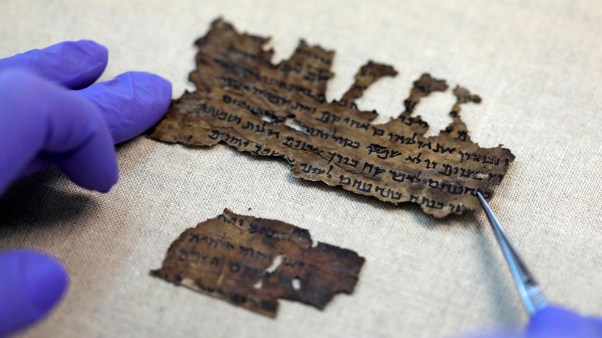
English Bibles were not printed in America until a year after the Declaration of Independence, when an edition of a King James Version New Testament was published. The complete Bible appeared five years later. Until then, all colonial Bibles were imported from England because only the king’s commissioned printers were allowed to issue them.
Though Americans fought for religious liberty in 1776 and passed a Constitutional amendment in 1791 to protect religious freedom, Connecticut did not disestablish its state-sponsored Congregational church until 1818, and Massachusetts not until 1833.
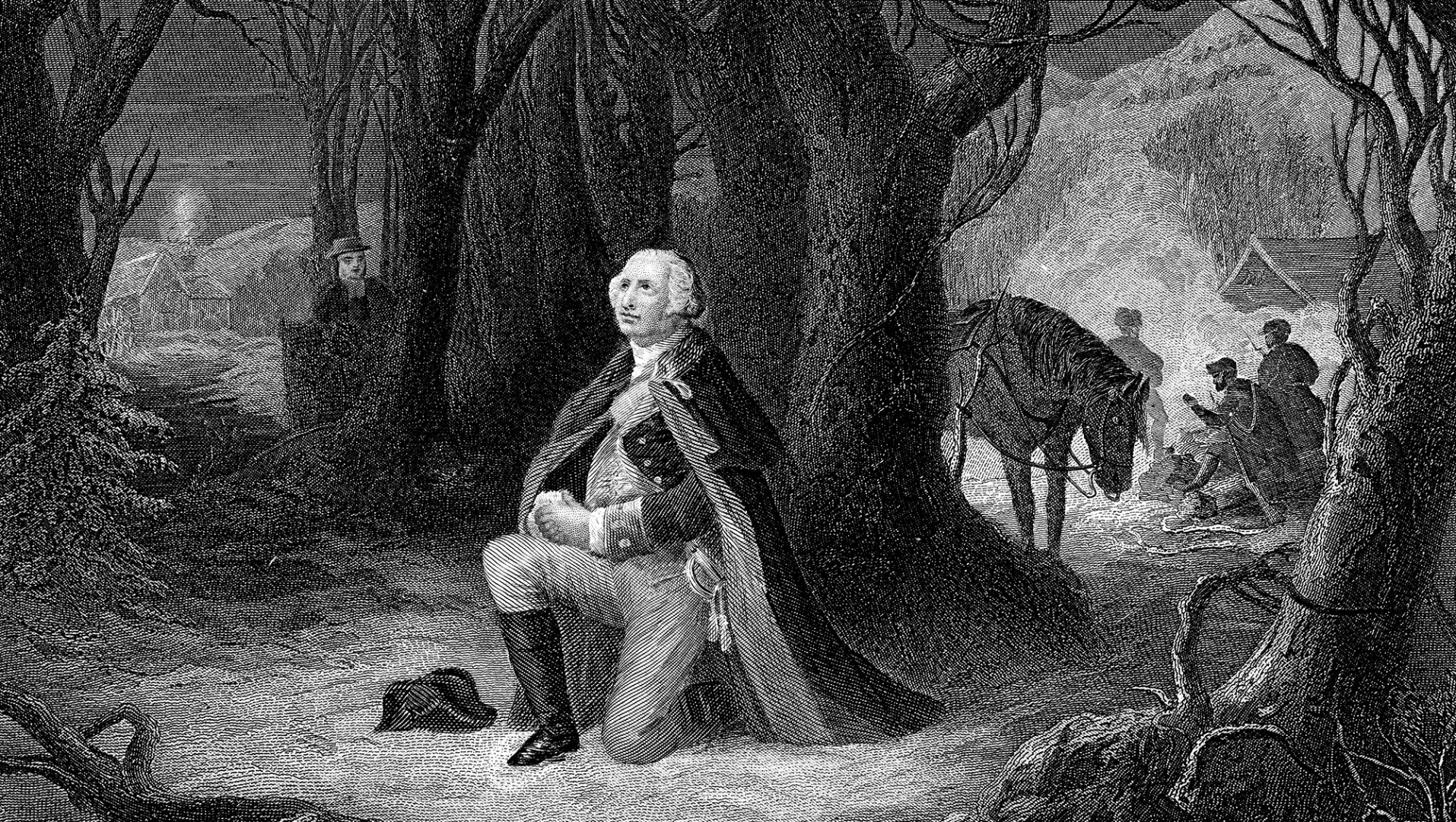
At the end of the war, after Cornwallis surrendered at Yorktown, George Washington “suggested” his troops thank God: “The General congratulates the army upon the glorious event of yesterday.… Divine service is to be performed tomorrow in the several brigades and divisions. The commander in chief recommends that the troops not on duty should universally attend with that seriousness of deportment and gratitude of heart which the recognition of such reiterated and astonishing interpositions of Providence demand of us.”
The 1783 Treaty of Paris, which concluded the peace between Britain and the United States, begins “In the name of the most Holy and undivided Trinity.”
Cassandra Niemczyk is a freelance writer from Wheaton, Illinois, and a regular contributor to CHRISTIAN HISTORY.
Copyright © 1996 by the author or Christianity Today/Christian History magazine. Click here for reprint information on Christian History.