News

A Run on a Different Sort of Bank

Food banks are making do with kumquats, pomegranates and artichokes.

Christianity Today March 23, 2008

As the economy turns sour, there’s no need to worry that food for the poor will too. That’s because the country’s food banks can’t keep any on their shelves. A combination of factors have led to fewer food donations while a growing number of people are need of assistance, reports The Wall Street Journal.

Food services for the poor “are scrambling to make up for a loss of government provided surplus items as commodity prices have soared. Surpluses have dropped as some commodities, like corn, are being turned into alternative fuels and others are going overseas as the weak dollar makes U.S. exports more palatable to other countries.”

The U.S. Department of Agriculture buys surplus food in order to help farmers by maintaining demand for their crops. But high prices have decreased the need for the government to step in. That’s good for farmers, but government money given to food banks is now buying less food than in past years.

“Demand for food-bank assistance is climbing rapidly,” says Chris Barrett, a Cornell University professor, “when the resources are falling in dramatic terms because the dollars just don’t go as far.” Demand is up 20 percent said a spokesman for one network of 250 food banks.

The Journal says:

The East End Cooperative Ministry in Pittsburgh is relying more on daily deliveries from a nearby Whole Foods store, as weekly deliveries from an area food bank have gotten smaller. The ministry group prepares meals in a church basement.

David Hereth, head cook at the soup kitchen, might get kumquats, pomegranates and artichokes, along with more common produce. One day, he received a yellow fruit he had never seen before. After researching the fruit, called a Buddha’s Hand, he passed it out to soup-kitchen patrons, along with staples like peanut butter and pasta.

More and more services for the poor are being frequented by middle class families as food and energy prices rise while home values sink.
Our Latest

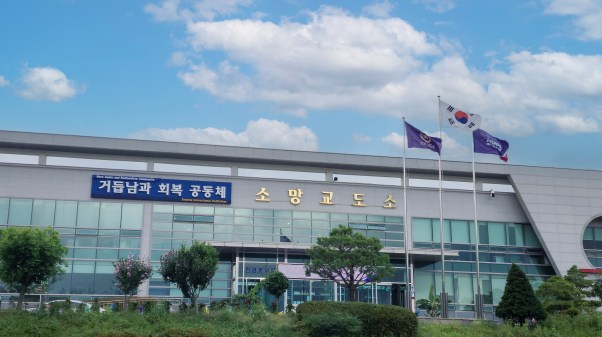
Worship, Bible Studies, and Restoration in South Korea’s Nonprofit Prison

Jennifer Park in Yeoju, South Korea

Somang Prison, the only private and Christian-run penitentiary in Asia, seeks to treat inmates with dignity—and it sees results.

News

‘I’m Not Being Disrespectful, Mama. I Just Don’t Understand.’

America’s crisis of reading instruction is by now well-known. But have you checked on your kid’s math skills lately?

The Bulletin

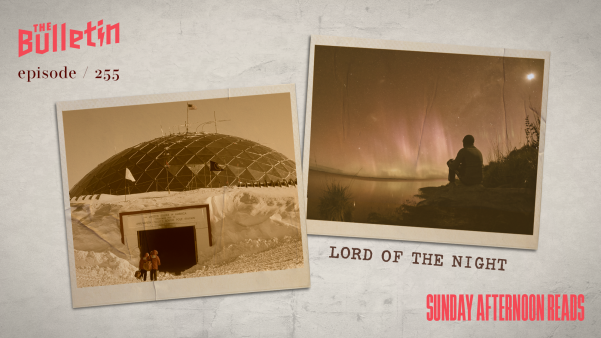
Sunday Afternoon Reads: Lord of the Night

Finding God in the darkness and isolation of Antarctica.

The Russell Moore Show

Why Do Faithful Christians Defend Harmful Things?

Russell answers a listener question about how we should perceive seemingly harmful political beliefs in our church congregations.

The Complicated Legacy of Jesse Jackson

Six Christian leaders reflect on the civil rights giant’s triumphs and tragedies.

News

The Churches That Fought for Due Process

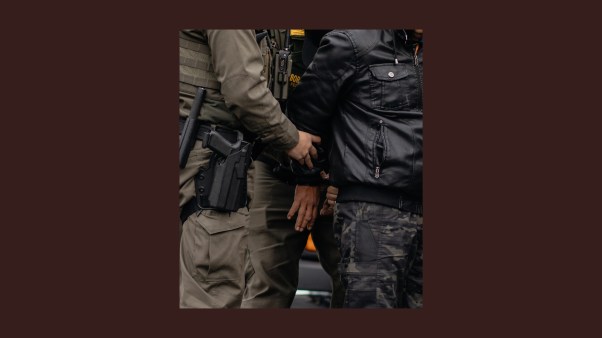
An Ecuadorian immigrant with legal status fell into a detention “black hole.” Church leaders across the country tried to pull him out.

The Bulletin

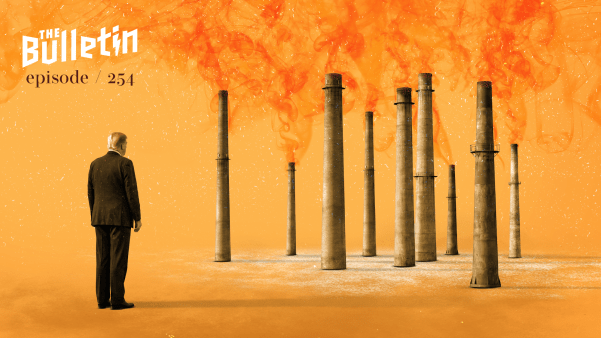
AI Predictions, Climate Policy Rollback, and Obama’s Belief in Aliens

Mike Cosper, Clarissa Moll, Russell Moore

The future of artificial intelligence, Trump repeals landmark climate finding, and the existence of aliens.

Apple PodcastsDown ArrowDown ArrowDown Arrowarrow_left_altLeft ArrowLeft ArrowRight ArrowRight ArrowRight Arrowarrow_up_altUp ArrowUp ArrowAvailable at Amazoncaret-downCloseCloseEmailEmailExpandExpandExternalExternalFacebookfacebook-squareGiftGiftGooglegoogleGoogle KeephamburgerInstagraminstagram-squareLinkLinklinkedin-squareListenListenListenChristianity TodayCT Creative Studio Logologo_orgMegaphoneMenuMenupausePinterestPlayPlayPocketPodcastprintRSSRSSSaveSaveSaveSearchSearchsearchSpotifyStitcherTelegramTable of ContentsTable of Contentstwitter-squareWhatsAppXYouTubeYouTube