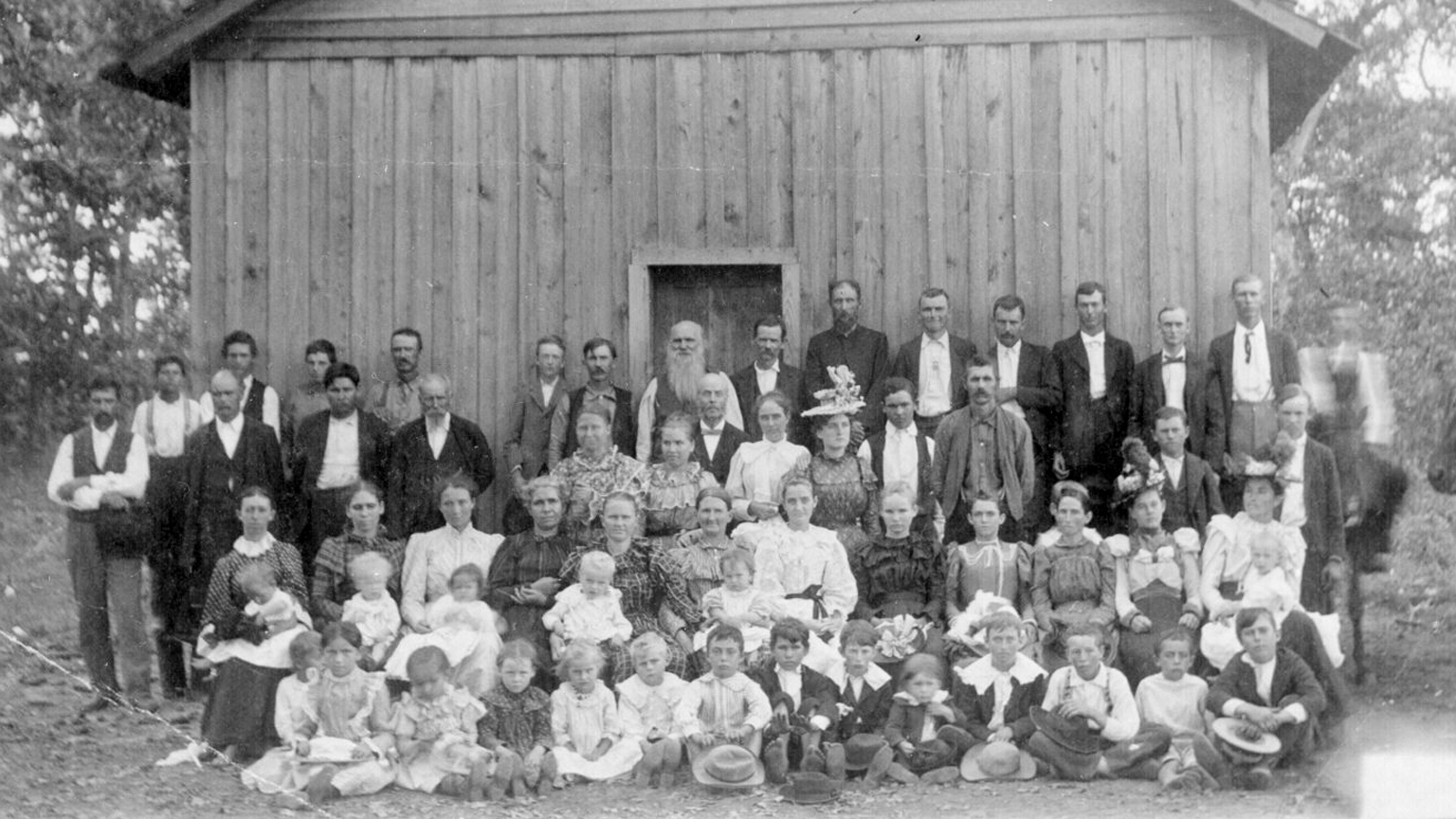
It is important to realize that Sunday schools were originally literally schools: they were places were poor children could learn to read. The Sunday school movement began in Britain in the 1780s. The Industrial Revolution had resulted in many children spending all week long working in factories. Christian philanthropists wanted to free these children from a life of illiteracy. Well into the 19th century, working hours were long. The first modest legislative restrictions came in 1802. This resulted in limiting the number of hours a child could work per day to 12! This limit was not lowered again until 1844. Moreover, Saturday was part of the regular work week. Sunday, therefore, was the only available time for these children to gain some education.
The English Anglican evangelical Robert Raikes (1725-1811) was the key promoter of the movement. It soon spread to America as well. Denominations and non-denominational organizations caught the vision and energetically began to create Sunday schools. Within decades, the movement had become extremely popular. By the mid-19th century, Sunday school attendance was a near universal aspect of childhood. Even parents who did not regularly attend church themselves generally insisted that their children go to Sunday school. Working-class families were grateful for this opportunity to receive an education. They also looked forward to annual highlights such as prize days, parades, and picnics, which came to mark the calendars of their lives as much as more traditional seasonal holidays.
Religious education was, of course, always also a core component. The Bible was the textbook used for learning to read. Likewise, many children learned to write by copying out passages from the Scriptures. A basic catechism was also taught, as were spiritual practices such as prayer and hymn-singing. Inculcating Christian morality and virtues was another goal of the movement. Sunday school pupils often graduated to become Sunday school teachers, thereby gaining an experience of leadership not to be found elsewhere in their lives. Even some Marxist historians have credited 19th-century Sunday schools with empowering the working classes.
In both Britain and America, universal, compulsory state education was established by the 1870s. After that, reading and writing were learned on weekdays at school and the Sunday school curriculum was limited to religious education. Nevertheless, many parents continued to believe that regular Sunday school attendance was an essential component of childhood. The trend for permissive parenting in the 1960s, however, meant that a widespread culture of insisting that children go to Sunday school whether they want to or not (especially when the parents were not themselves going to church) was abandoned.
Timothy Larsen is the Carolyn and Fred McManis Chair of Christian Thought at Wheaton College and a member of the Christian History advisory board.