News

Obama Election Heals Memories from 1976

Christianity Today November 5, 2008

In the fall of 1976, I was in the sixth grade in Shreveport, Louisiana, at Claiborne Elementary, a school that had an all-white student population just three years before. By the mid-1970s, the enrollment was half-black.

In that fall’s presidential election, President Ford was running against Jimmy Carter. Our teacher, Mr. Stewart, asked his sixth-graders to write what we thought should be the qualifications to be president of the United States. I wrote something and waited for everybody else to finish.

Sitting at the desk next to me was a black kid. I happened to glance at his paper. He wrote that the president of the United States should be white.

Blacks and whites didn’t mix at my school or in my neighborhood except in fighting and insulting each other. Claiborne Elementary wasn’t Shreveport’s only angry place. Shreveport was in the throes of busing and desegregation, and the animosity spilled into the city’s churches. In a large white Baptist congregation not far from my neighborhood, one Sunday morning deacons escorted from the sanctuary some black Christians who had come to worship.

But even as an 11-year-old white girl in this Deep South environment steeped in racism, this black boy’s answer deeply troubled me. Why did he believe the country’s president had to be white?

On November 4, 2008, the world saw that the president doesn’t have to be. (In now predominantly black Shreveport, change had come one year before the 2008 general election. On November 7, 2007, my Caddo Parish Magnet High School classmate Cedric Glover became the city’s first black mayor.)

Maybe you’re like a lot of white evangelicals who didn’t vote for President-elect Obama. That’s fine because Senator McCain is still going to be a force to contend with in the US Senate.

But for me, this election has begun to heal some memories and, for all of us, it changes the possibilities.
Our Latest

News

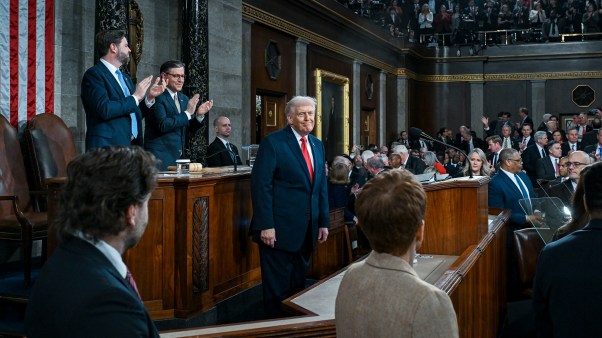
Trump’s SOTU Heralded a Revival. The Data Is Mixed.

In a State of the Union focused on immigration and domestic policy, the president’s mention of Christianity was brief and debatable.

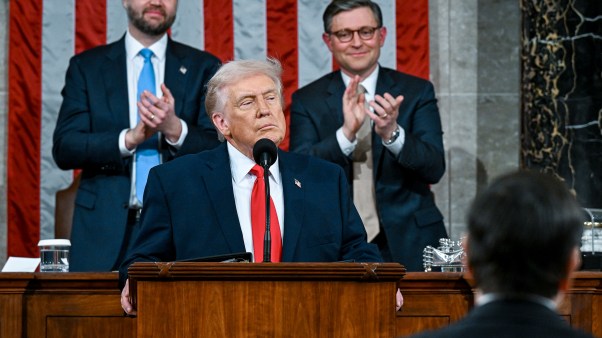
At SOTU, Trump Overstates and Inflates Presidential Power

In his State of the Union marking our 250th year, the president honored athletes, veterans, Sage Blair, America—and himself.

Public Theology Project

What If Aliens Are Real? A Thought Experiment

I don’t know how likely extraterrestrial life might be. But no matter what, the truth of Christianity will stand.

Faith Should be Public but Not Performative

Christian faith must act on behalf of the most vulnerable, not clutter social media feeds.

Analysis

First, Honesty. Then, Multiplication Tables.

We need to know how badly students are failing in math class. Then we must return to the fundamentals.

News

Mass Kidnappings Leave Nigerian Churches Reeling

Emiene Erameh

Christian leaders fight to draw attention to the abductions by criminal gangs amid government denial.

The Russell Moore Show

Richard Reeves on Why Young Men Are Struggling

What do boys need from fathers, churches, and institutions that they aren’t getting right now?

Inside the Ministry

The One Kingdom Campaign Spring 2026 Impact Report

CT Partners are making Jesus known.

Apple PodcastsDown ArrowDown ArrowDown Arrowarrow_left_altLeft ArrowLeft ArrowRight ArrowRight ArrowRight Arrowarrow_up_altUp ArrowUp ArrowAvailable at Amazoncaret-downCloseCloseEmailEmailExpandExpandExternalExternalFacebookfacebook-squareGiftGiftGooglegoogleGoogle KeephamburgerInstagraminstagram-squareLinkLinklinkedin-squareListenListenListenChristianity TodayCT Creative Studio Logologo_orgMegaphoneMenuMenupausePinterestPlayPlayPocketPodcastprintRSSRSSSaveSaveSaveSearchSearchsearchSpotifyStitcherTelegramTable of ContentsTable of Contentstwitter-squareWhatsAppXYouTubeYouTube