

Books

Brett McCracken: My Top 5

The author of Hipster Christianity lists the books that most shaped the ideas in his new release, Gray Matters: Navigating the Space between Legalism & Liberty (Baker Books, 2013).

Christian Liberty: Living for God in a Changing Culture

Rex M. Rogers (Baker Books)

Former Cornerstone University president Rogers offers a helpful guide through the "in but not of" tension that makes Christian approaches to culture so tricky. A solid overview of key biblical passages on Christian liberty, Rogers's book calls Christians to a smarter, less reactionary, and ultimately more effective witness in an always changing, always complex culture.
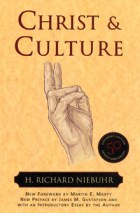
Christ and Culture

H. Richard Niebuhr (Harper & Row)

Niebuhr's classic is an immensely helpful introduction for anyone wanting to critically assess their posture toward culture. The famous spectrum he presents—Christ "against," "of," "above," "in paradox," and "transforming" culture—is not exhaustive but nevertheless helps Christians think through their relationship to the world.
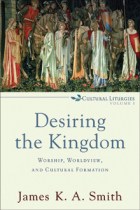
Desiring the Kingdom: Worship, Worldview, and Cultural Formation

James K. A. Smith (Baker Academic)

Most Christian thinking about culture has been focused on thinking: cultivating a proper worldview or lens through which we can "think Christianly" about everything. Smith argues that we must explore how our everyday habits of life shape us on the level of affections. It's about how culture forms us for good and ill, not just in the realm of ideas but in the habits and postures of worship.

All God's Children & Blue Suede Shoes: Christians and Popular Culture

Ken Myers (Crossway)

Though a bit dated (as any book on popular culture invariably is), Myers's classic on Christianity and culture offers timeless insights about how Christians should navigate their relationship to pop culture. The book goes deeper than simple "that's evil" or "that's good" evaluations, giving Christians tools for discernment and a critical approach to both the content and deeper formative impact of pop culture.
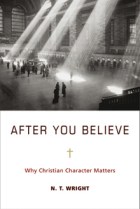
After You Believe: Why Christian Character Matters

N. T. Wright (HarperOne)

In understanding Christianity's relationship to culture, and the question of what "sets us apart," it's helpful to understand the big picture: why we're here and what we were created to be. Wright presents a sprawling but readable overview of Christian character far more inspiring than a checklist of dos and don'ts, but also more challenging than a "follow your heart" free-for-all. If nothing else, read the spectacular third chapter, "Priests and Rulers."

Also in this issue

The CT archives are a rich treasure of biblical wisdom and insight from our past. Some things we would say differently today, and some stances we've changed. But overall, we're amazed at how relevant so much of this content is. We trust that you'll find it a helpful resource.

Our Latest

News

Iranian Christian Freed Nine Months After Border Patrol Arrest

Video of agents arresting him and his wife in Los Angeles went viral, and their church has been praying for his freedom.

Public Theology Project

Why John Perkins Stood (Almost) Alone

The civil rights leader treated love of God and love for others as inseparable.

The Russell Moore Show

Doug McKelvey on Rites of Passage and the Sacredness of Ordinary Life

Every Moment Holy author Douglas McKelvey on writing prayers for the moments both sacred and mundane.

From a Galaxy Far, Far Away to Carol Stream, Illinois

CT tracked cultural changes while going through several of its own.

What Loving South Africa Taught Me About Patriotism

Christina Stanton

Attachment to another country didn’t diminish my affection for America. It showed me God’s love for all peoples.

Wonderology

Owner’s Manual Part One: The Instructions

What if our bodies came with operating instructions—and we could finally read them?

The Bulletin

IDF and Lebanon, Ukraine’s Fears, AI Data Centers, and a Korean Messiah

Mike Cosper, Clarissa Moll, Russell Moore

Israel fights Hezbollah, Ukraine left behind, US builds data centers, and North Korea’s Evangelical roots.

Review

Trashing Evangelicals Is No Way to Fight Conspiracism

Jared Stacy’s new book correctly identifies a serious problem. But his depiction of evangelicalism is overblown and unreasonable.

Apple PodcastsDown ArrowDown ArrowDown Arrowarrow_left_altLeft ArrowLeft ArrowRight ArrowRight ArrowRight Arrowarrow_up_altUp ArrowUp ArrowAvailable at Amazoncaret-downCloseCloseEmailEmailExpandExpandExternalExternalFacebookfacebook-squareGiftGiftGooglegoogleGoogle KeephamburgerInstagraminstagram-squareLinkLinklinkedin-squareListenListenListenChristianity TodayCT Creative Studio Logologo_orgMegaphoneMenuMenupausePinterestPlayPlayPocketPodcastprintRSSRSSSaveSaveSaveSearchSearchsearchSpotifyStitcherTelegramTable of ContentsTable of Contentstwitter-squareWhatsAppXYouTubeYouTube