
As a pastor, I’m not supposed to say this, but I’ve often struggled to intellectually reconcile my faith: Can you know for sure that God exists? How do you know that Jesus is the Son of God, God in the flesh? If God exists, how do you know you can trust him?
I’ve spent a lot of my life trying to answer those questions. Eventually I realized—perhaps a little late—that you can’t prove that God exists. (You also can’t prove that God doesn’t exist.) But there are a whole lot of clues, a trail of signs you can follow. These clues will not lead to proof, but they still lead to truth. They guide us to assurance that God is—and that he is who he says he is.
One of those clues most meaningful to me is beauty.
When we have faith questions, we talk a lot about the problem of evil: How can there be a good God when there’s so much evil in the world? But I’m more interested in the problem of beauty: How can there not be a good God if there’s so much beauty in the world? The problem with beauty is this: we can’t get away from it, and almost all of it is free. It’s just scattered everywhere.
Think of beautiful things. You can go to a gallery and look at beautiful art. And that’s magnificent. But I more often think about things that aren’t necessarily hanging on a wall: a sunset, a rare flower, a striking gemstone, a colorful fish, a supernova, a new snowflake.
Or think about ordinary beauty that we come across every day: an elegant dress, a boulevard with the sun shining through it, or an interesting building. A haunting song, a thoughtful film, a pecan-crusted salmon dinner. I also think that there is great beauty in sports. There’s a reason soccer is called “the beautiful game.” Remarkable passing, a beautiful backwards bicycle kick into the top corner of the net.
British philosopher Roger Scruton wrote, “[Beauty] is never viewed with indifference. Beauty demands to be noticed; it speaks to us directly like the voice of an intimate friend.” When we are attuned to the beauty around us, it should prompt us to say, “Whom do I thank for this?”
We often miss a little verse in the Gospels because it’s usually talked about in the context of worry and stress. But there’s a command hidden in this verse that’s also a clue. In Matthew 6, Jesus asks, “Why are you anxious about clothing?” and then he says,
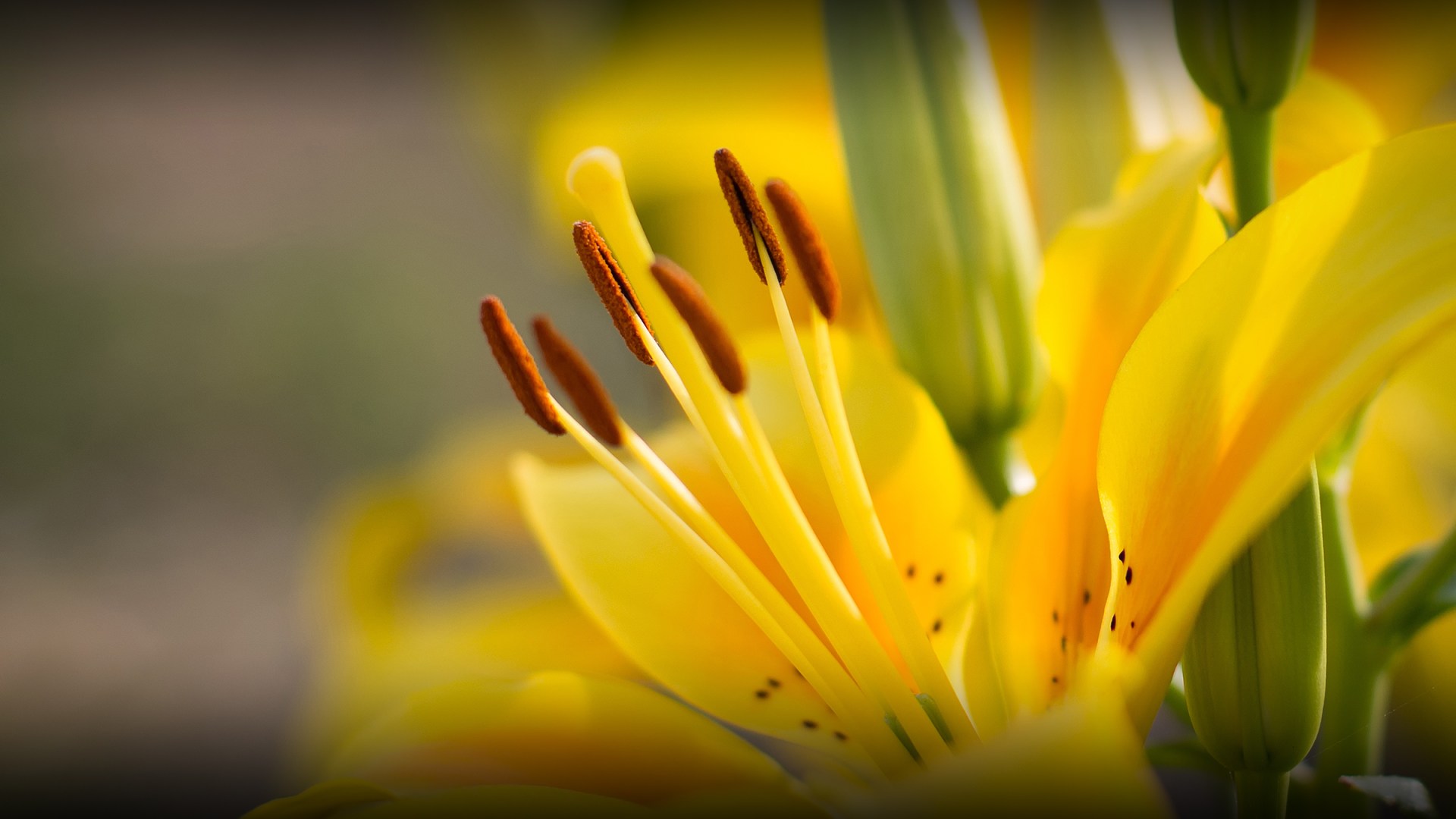
Consider [or observe or look or contemplate] the lilies of the field, how they grow: they neither toil nor spin, yet I tell you, even Solomon in all his glory was not arrayed like one of these. But if God so clothes the grass of the field, which today is alive and tomorrow is thrown in the oven, will he not much more clothe you, O you of little faith (vv. 28–30, ESV).
Scholars wonder what kind of flower Jesus referred to. In Israel today there’s a common lily, Lilium Candidum. Maybe that’s what Jesus meant. Or he could have been referring to any ordinary wildflower, something perhaps small and insignificant, something we might rush by. But if we stopped and looked at it intently, we might say, “Ah! Wow! Thanks!”
No one has fathomed the depths of sin and evil as did Jesus, and yet Jesus could say that this ordinary lily is a sign. It’s a sign not only that God exists, but also that he is good and can be known and trusted as a heavenly Father. That’s why Jesus told us to look, observe: “Consider the lilies of the field.”
If we’re the product of accidental forces of nature, as some argue, then that means beauty is just a neurological response to some kind of stimuli. Maybe it gained us some kind of evolutionary advantage at some point, goes the argument. But that would suggest the same about love, or justice, or hope—they are just neurological responses to stimuli. In fact, you could say the same thing about science and reason. All of those things could be reduced to that. But I’m with Jesus on this one. Beauty sometimes whispers, “Look at this. It’s a clue. It leads somewhere.”
The most beautiful clue of all might be the clue to the beauty of redemption. God not only creates beautiful things out of nothing, but God also creates beautiful things out of brokenness—unfulfilled dreams, dashed hopes, divided communities, hurting people. The power of the gospel is that Jesus comes to mend and restore these all. And we can trust him to make us truly beautiful; as the apostle Paul said, “If anyone is in Christ, he [or she] is a new creation.” A beautiful new creation. Ah! Wow! Thank you!
Matt Woodley is missions pastor at Church of the Resurrection in Wheaton, Illinois, and editor of Preaching Today.