I saw a screening of Noble as part of the Q Boston event, a conference full of stories of people who’ve devoted their lives to a myriad of causes and pursuits: humanitarian relief in Syria, peacekeeping in Israel, racial reconciliation, social entrepreneurship or any number of other things. It can be overwhelming to observe the sheer breadth of problems that need addressing in our world; it’s impossible to know where to start.
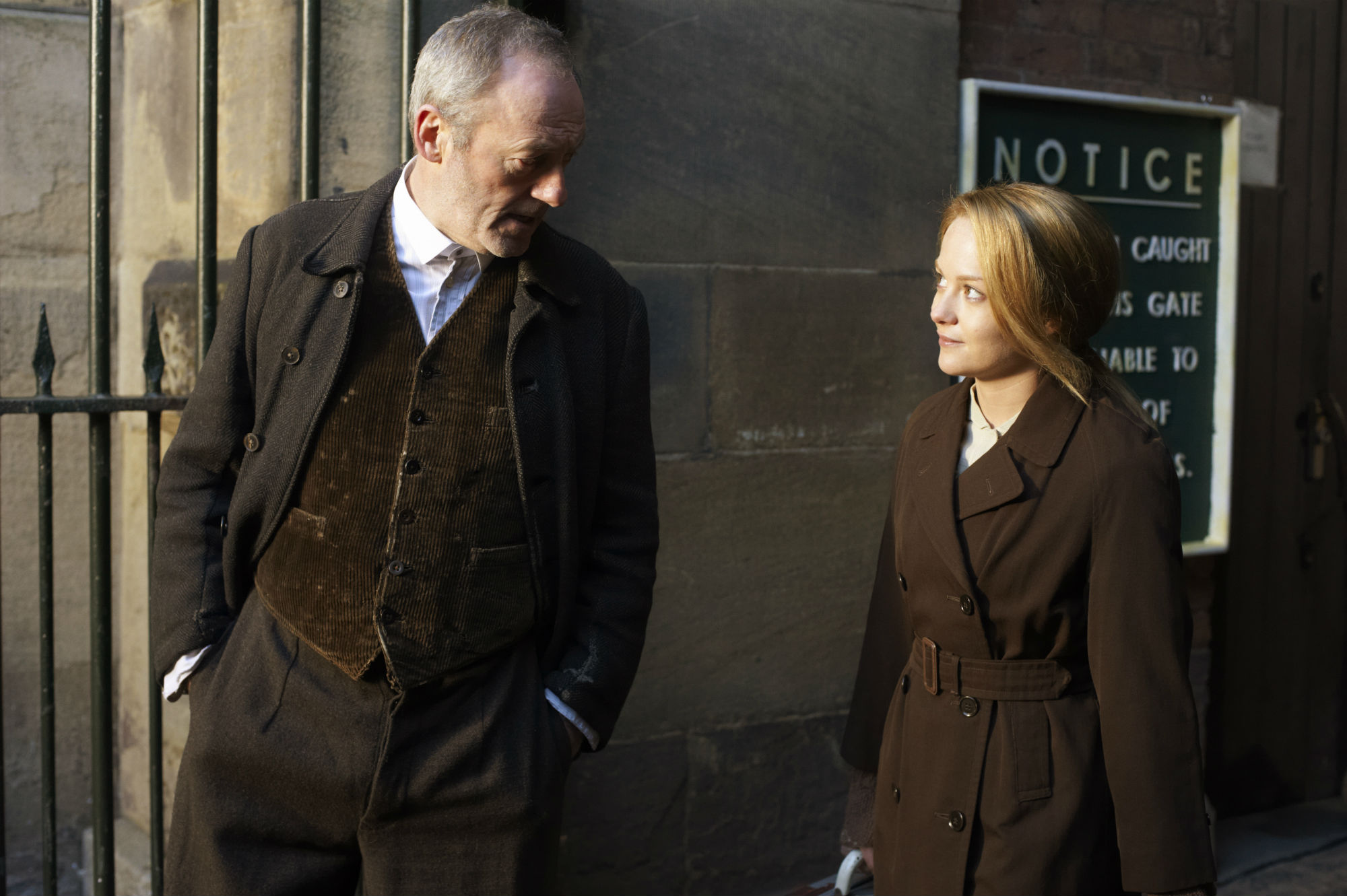
 Simon Thorpe / Aspiration Media
But then you remind yourself that none of these activists and entrepreneurs are doing it all. Most have picked something specific to devote themselves to, and usually something born out of a personal trauma, relationship, or lived experience.
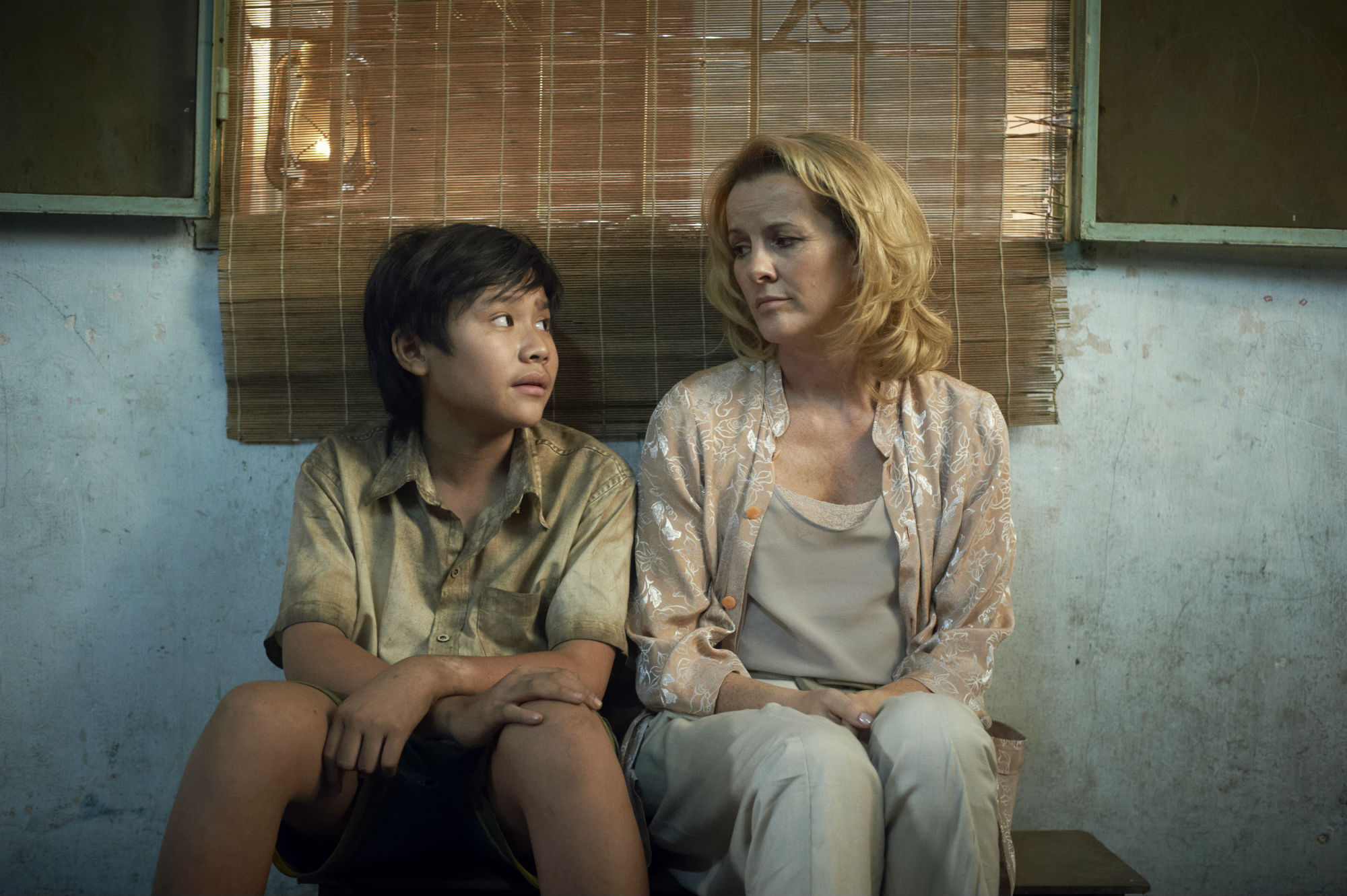
Noble tells a story like this. The film is a biopic of Christina Noble, an Irishwoman who devoted much of her life to rescuing, sheltering, and advocating for children on the streets of Vietnam. Raised “in the gutter” in Dublin as a precocious performer with a drunken dad and a fondness for Doris Day, Christina lives a hard-knock life but never loses hope.
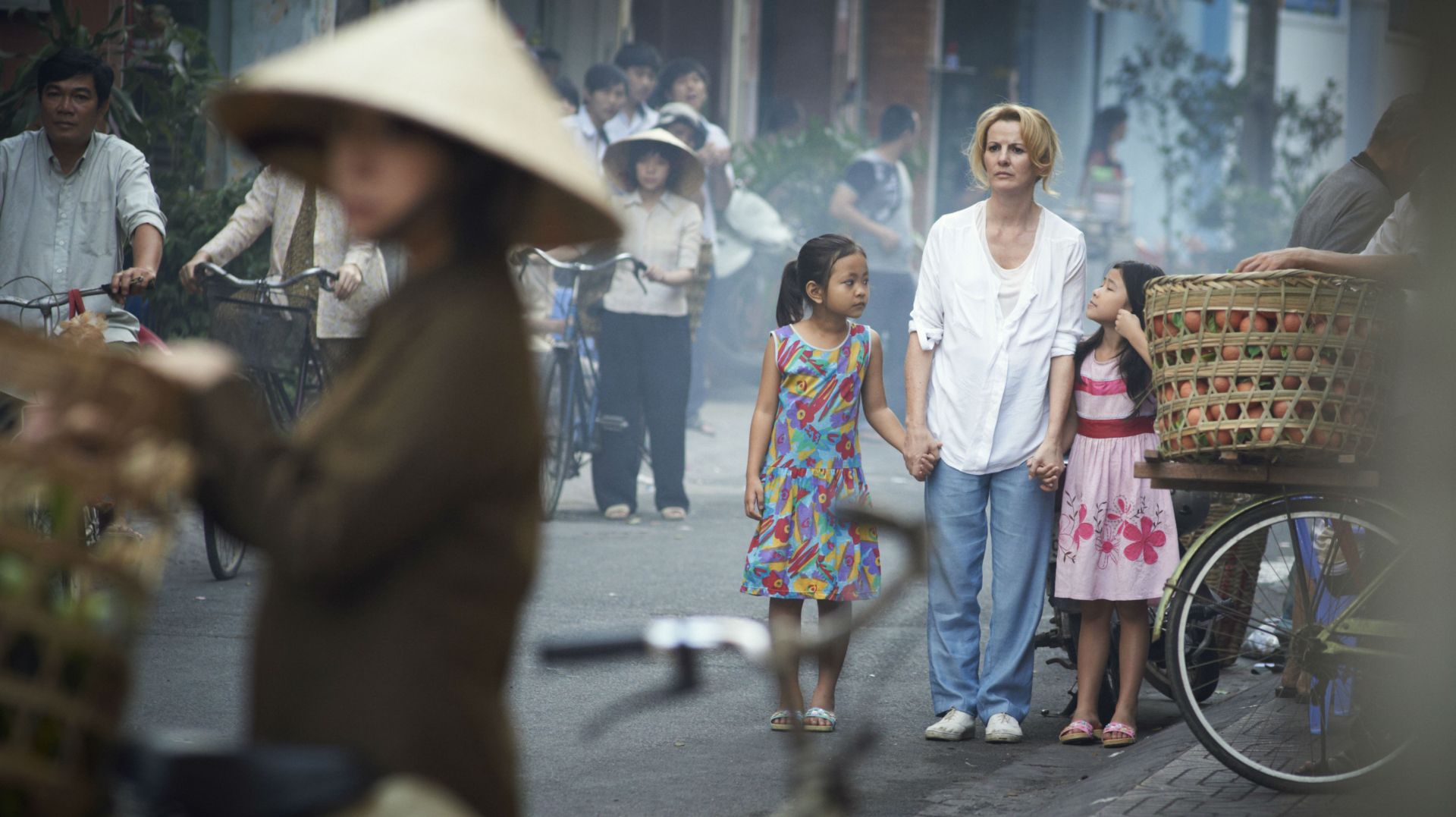
With stints living as an orphan, under the care of stereotypically cruel nuns or (eventually) on her own, Christina develops a fearlessness and a can-do response to the tough hand she’s been dealt. Noble jumps back and forth between her upbringing in Ireland and her adult life in Vietnam, hoping to show the source of the conviction, courage, and compassion that leads her to fight against sex trafficking and child exploitation on the streets of Ho Chi Minh City, where she founded the Christina Noble Children’s Foundation.
Played at various ages by Gloria Cramer Curtis (child), Sarah Greene (young adult) and Deirdre O'Kane (adult), Christina Noble is an inspiring model for Christians—or anyone—who aspire to bring healing and hope to the suffering of the world. She isn’t a short-term missionary or social justice-minded tourist; she’s committed to the long-term, difficult work that needs to be done.
Upon arrival in Vietnam in 1989, Christina’s efforts get off to a rocky start and she meets opposition from both systems and individuals. But she doesn’t give up. She has passion, perseverance and faith that God called her to a task.
Though not a “faith-based film” of the God’s Not Dead variety, Noble is faith oriented, interested as it is in showing Christina’s conversations with God at various points in the film. Usually in a moment of despair or frustration, Christina heads to a church to speak her mind to God.
“I’ll tell you what: I’ll walk; you lead,” she tells him at one point when her plans in Vietnam hit roadblocks. “Now we both know what it’s like to lose a son,” she says as a young woman, after she’s forced by the church to give up her out-of-wedlock son for adoption. Looking at a picture of Jesus after getting slapped by a nun as a child, she asks “Do you actually love those people? Because I won’t be your friend for much longer if you do. I know I should forgive them, but I’m not going to.”
 Nicola Dove / Aspiration Media
Her prayers are not combative as much as they are honest, a refreshing expression of the messiness of trying to follow and listen to a God who sometimes seems silent.
The question of how faith informs activism and motivates acts of compassion is an interesting one, relevant to many conversations happening right now about religious freedom and how Christians contribute to the common good. Are people who believe in God more motivated and successful in the areas of mercy and justice than people who don’t? In loving and serving “the least of these,” does it matter if it’s an Anglican or an atheist?
Noble doesn’t directly take up these questions, which probably seem silly to those on the ground doing the work the movie depicts. For Christina Noble, faith may be part of the equation but her personal story seems to matter more. She knows from experience what it’s like to be orphaned and abused as a child; she’s been a victim of sexual violence. We see all of this via flashback, and though sometimes the storytelling is bit clunky and abrupt (Christina sees TV footage of the Vietnam War, and we are led to believe that’s why she eventually made Vietnam her life’s mission?), the point is clear: Christina’s own troubled story led her to want to help others in similar predicaments.
Noble, written and directed by Stephen Bradley (husband of the film’s star O'Kane), is a noble effort with many admirable qualities, to be sure. But it’s not perfect. The film at times falls into “white savior” genre clichés, and it has an overly simplistic critique of global capitalism (the villain is a European businessman in Vietnam who says things like “I’m in business. I take what I can get.”).
 Nicola Kane / Aspiration Media
The filmmaking itself is serviceable, if unremarkable, for a small-budget movie filmed on location in Vietnam. The narrative tries to do a bit too much, jumping around in time and attempting to tell so much of Christina’s story that individual parts of it get short shrift. We get a broad-brushed impression of Christina’s life and her passion, but the film moves too quickly and, in the end, resolves itself too abruptly for us to truly enter into her story.
As cinematographer Trevor Forrest said in a Q&A following the screening I attended, the story of Christina’s long-game efforts in Vietnam could probably warrant a 10-part cable drama series, or something of the sort. I agree, as I left Noble wanting to know more about Christina’s story than could be shown in a two-hour film.
But such is the problem of the biopic genre. Can anyone’s life be sufficiently distilled in such a short span? No.
But glimpses of such lives can serve other purposes: developing our empathy, opening our eyes to see other cultures, and inspiring us to not just blog, tweet, or complain about the problems in the world, but to nobly seek out some way we can be a solution.
Caveat Spectator
Noble is rated PG-13 mostly for a few scenes of sexual violence and abuse. A woman is seen being apprehended and taken behind closed doors by a group of men, where it is implied she is gang raped. The same woman is later seen with bruises and evidence of being in an abusive relationship. In Vietnam scenes, implied sex trafficking is a common occurrence, with older men seen leading young girls into hotel rooms. Mild language dots the film’s dialogue and heavy themes abound.
Brett McCracken is a Los Angeles-based writer and journalist, and author of the books Hipster Christianity: When Church and Cool Collide and Gray Matters: Navigating the Space Between Legalism and Liberty (Baker). You can follow him @brettmccracken.