 Picturehouse
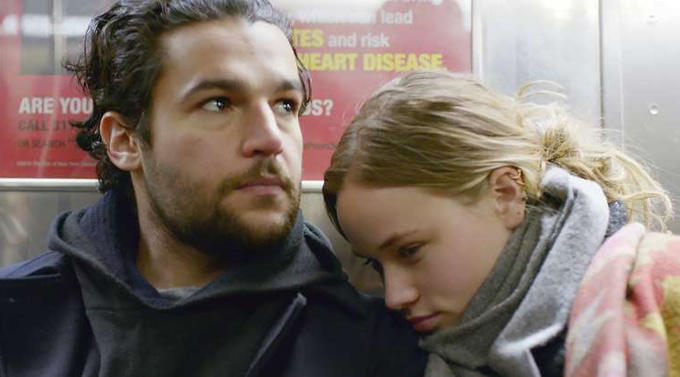
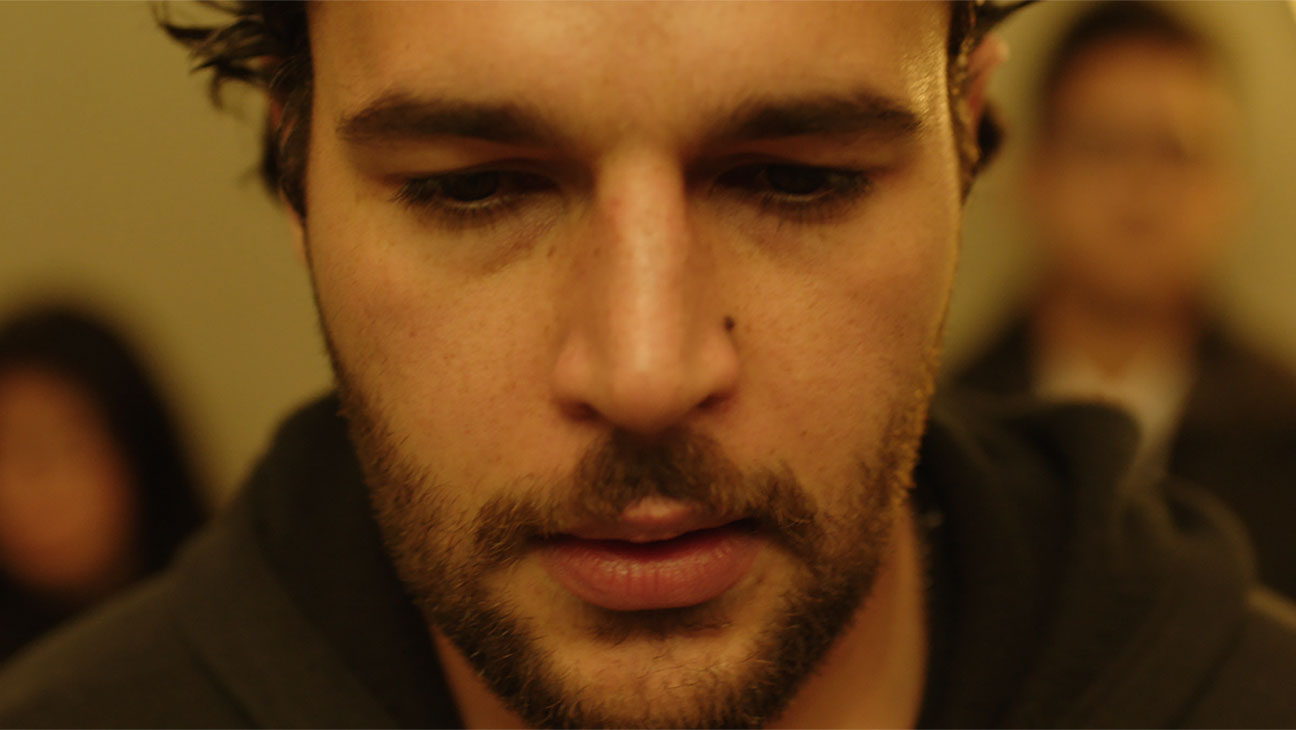
The first five minutes or so of James White show our title character (played by Christopher Abbott) moving through a Manhattan nightclub, boozy and lost, with music in his ear buds competing with the throbbing club bass all around him. With the handheld camera shaky and yet persistently framed close on Abbott’s tabula rasa face, the audience feels at once unbalanced and anchored, stressed and serene. There is chaos, noise, drugs, anger, exhaustion all around, and yet interspersed through it all are moments of peace.
This tension is as present in the ambience of the film as it is in the character of James White himself. He is a troubled kid, economically privileged but stunted in his growth, a version of the couch-hopping urban twenty something we’ve seen in recent Noah Baumbach films (especially Frances Ha). He’s plagued by demons of all sorts, but his father’s recent death and his mother’s (Cynthia Nixon) cancer, which is slowly killing her, push him even more into the abyss. Still, something in his eyes reveals an innocence and goodness that simply needs a bit of guidance.
The directorial debut of Josh Mond (producer of Martha Marcy May Marlene), James White makes a parallel between the noisy maelstrom of its twentysomething protagonist and that of his geographic setting: New York City. Notable throughout the film are contrasts in pacing and sound, with short, intense bursts of hedonistic New York life (hotel room parties, clubs, bar fights, drugs) juxtaposed with long scenes of quiet connection (usually between James and his mother).
These quiet interior scenes are sometimes punctuated with aural reminders of the chaos held just at bay: buzzing or ringing of iPhones, distant city sirens or horns, the soft rattle and hum of an apartment attempting zen. Outside the home the world is harsh and unrelenting; inside there is hope for peace. Indeed, James is a different person outside the home (hard partying, reckless, selfish and rather spoiled) than he is inside (a dutiful son at his stricken mother’s bedside). His love for his mother and instincts to protect her give him a semblance of purpose. Away from her he is as lost in the city as a millennial Don Draper or a forlorn figure from a Hopper painting. The film’s brilliant final shot captures it all in a lingering stasis of New York City’s sight and sound.
 Picturehouse
One of the strengths of James White is its subtlety. It has things to say about modern life and especially the twentysomething male experience, but they are never said as much as pictured. We see glimpses of the way technology and mediation function as therapeutic proxies: James and his headphones, the ever-present smartphone, music to fit any given mood. We see the way experiences are constructed and strung together in attempts to forge meaningful narratives: James tells his mom he needs a vacation to Mexico so that he can “write about all these feelings welled up inside of me” and then come back and “be ready for life” (once there he mostly just drinks and hooks up with a girl he meets on the beach).
But James White is not primarily concerned with generational commentary. This is a film about humanity in vivid relief. Shot in a cinéma vérité style, with ample jump cuts and little margin for the audience to gain context for what is being shown at any given moment, the movie is less concerned with what we should think about it than how it should hit us. This is a visceral, empathetic encounter film. We don’t know much about James’s dying mother apart from the fact that she is dying (the most harrowing and realistic portrait of advanced cancer I’ve seen in a film). We also don’t know much about James aside from the alternately tender and erratic behavior we see.
And that’s OK. Sometimes “what is it supposed to mean?” is not the question we should be left with. Sometimes we’re just left feeling a longing for something that goes beyond meaning.
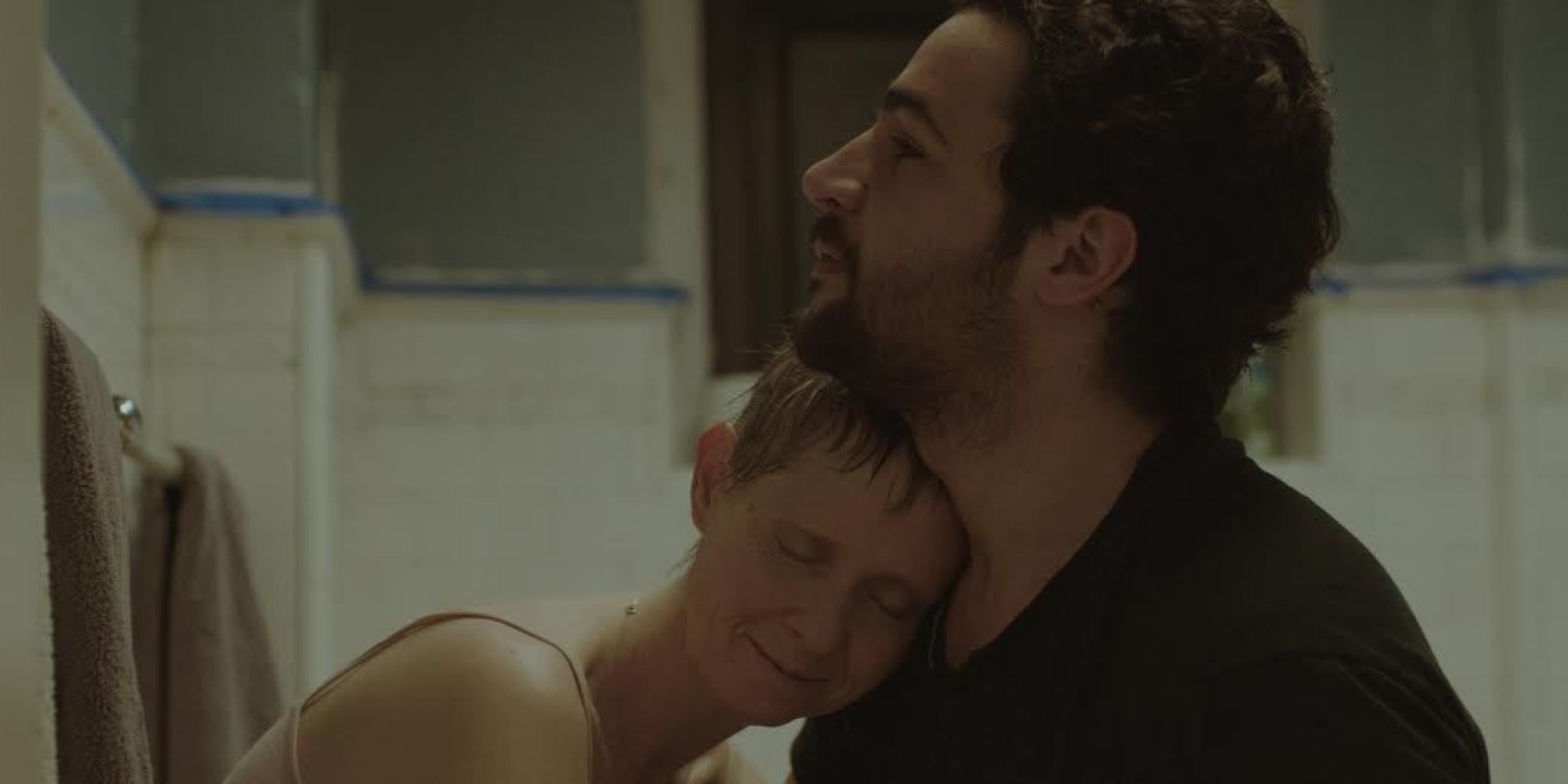
For me, this was captured in a scene near the end of James White that I will not soon forget, an intimate moment where the horrific and sublime meet in a bathroom in the middle of the night. James responds to the call of his sick mother, who needs to use the bathroom but can’t walk herself there. Her son carries her like a dad would carry a young daughter, and he helps put her on the toilet. Unable to move to get back in bed, she sits in the bathroom and lays her head on her son’s shoulder, resigned to her pain and yet at peace. James stays with her and tells her to close her eyes as he describes an alternate future where they are all living in Paris.
 Picturehouse
As he describes it in detail—the street sounds, the flower market, the Sundays she’ll take her grandsons to the Louvre or Rodin’s gardens—it feels like an eschatological vision, a heavenly hope where all will be made new.
“And you will see me happy, as a father, as a kind and loving man,” says James, hoping it also for himself. His mother simply smiles. It is a dream that gives her peace.
Caveat Spectator
Concerned as it is with showing the hedonistic (unromanticized) exploits of an urban twentysomething, James White has its fair share of drugs, alcohol, explicit language and violence (drunken brawls of various sorts). There is also one brief scene of sexuality that includes partial female nudity. The vivid ugliness of cancer is also not downplayed in the film, which may disturb some viewers.
Brett McCracken is a Los Angeles-based writer and journalist, and author of the books Hipster Christianity: When Church and Cool Collide (Baker, 2010) and Gray Matters: Navigating the Space Between Legalism and Liberty (Baker, 2013). You can follow him @brettmccracken.