
I knew the facts. It wasn’t my fault. I hadn’t snorted coke or done any of the other unlikely things that could have caused my baby to stop growing. I had ignorantly gone on living without him one day into what would have been a second trimester if we’d had the gift of three more months (to say nothing of six). But the information was hard not to receive as a humiliation and a rebuke. How could it have happened without my knowing? I could have been worrying about it or praying about it in the very moment it happened. But I didn’t feel it in my pregnant body or maternal soul. Sensation and intuition failed. My baby died alone, and I was there the whole time.
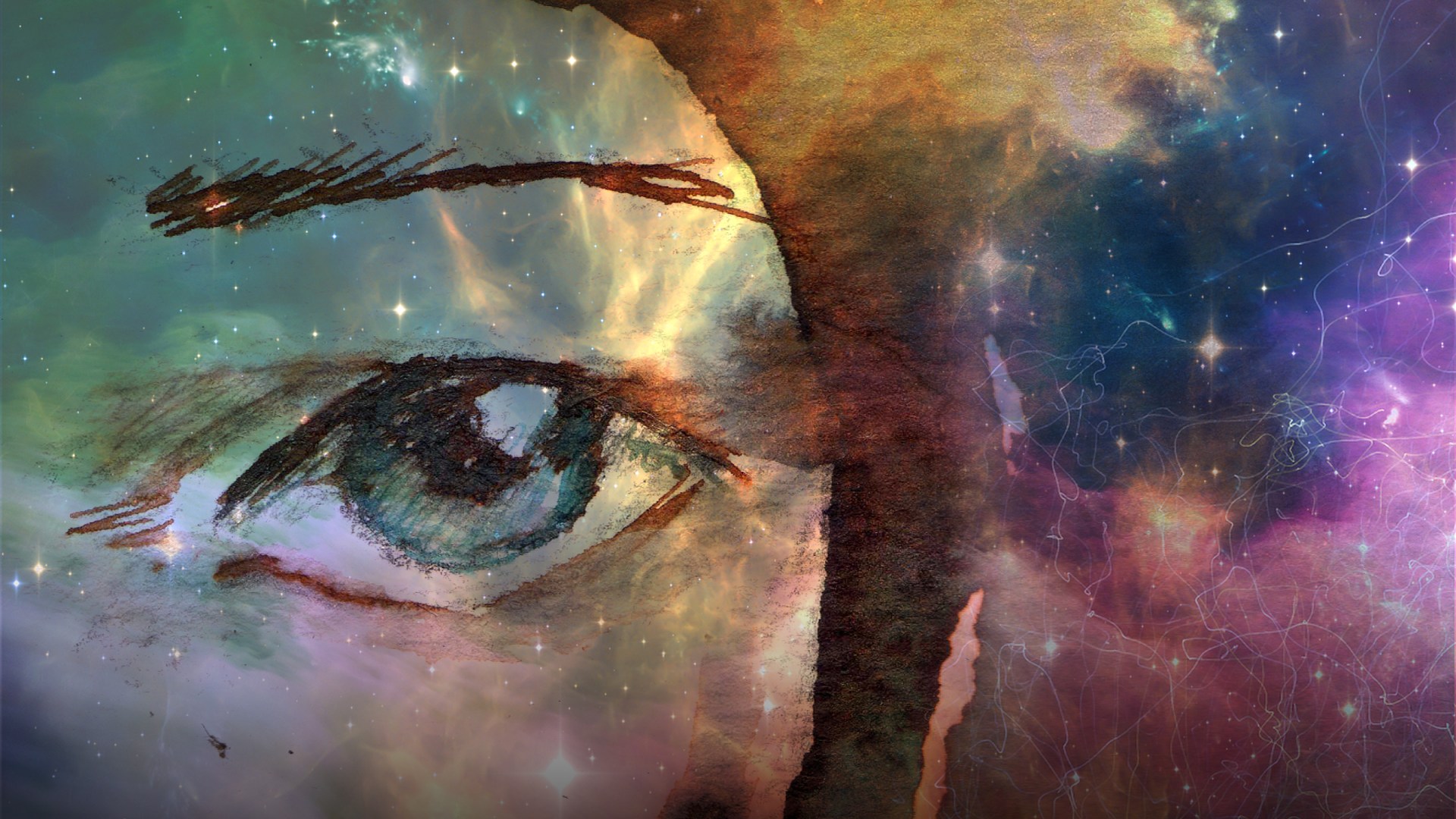
It was a horror to me. I was his universe, and I had noticed and cared as little as this universe will take notice or care when I die. The news of his death had been only of the most local somatic interest, not worth bothering my consciousness about. Even when I, the universe, was notified, I was powerless to effect any universal action. The universe first did not know, and then could not help. The universe was an indifferent gob of matter, or a useless idiot.
Nearly two weeks after the death no one had witnessed, one week after the body was discovered, the victim was evicted. His remains could not remain. Local interest gave way to local action, and finally the universe groaned in a way that meant something. The universe cared and labored not according to its own idea of rightness, but by its Creator’s laws. I did not make my body, and I cannot control its natural operations. I can only be the kind of creature I am. I did not make our baby, and I could not control what happened to him. I could only be the universe to him, for as much and as little as a universe is worth to its infinitesimal inhabitants.
But speaking and thinking as his universe, I saw that I had been very unfair to universes. I would have come to know my baby was there, and then that he wasn’t, even without the extra-universal notification I received. I acted on my baby’s behalf once I knew that duty was mine, choosing the way I thought best for him. I cared, universally. When he could no longer remain in the universe, the universe was wracked with turmoil of every kind. The universe heaved, anguished, hemorrhaged, convalesced. The universe was turned to wreckage because he had been in it, and he had left.
The universe is not ours to judge, but we would be remiss not to notice and credit its recursiveness. We are bound up with the universe by the God who made us for it, and who made the universe for us. The whole creation groans and suffers the pains of childbirth. Such pains cannot be felt by an indifferent gob of matter. Neither can they fail to bring forth fruit, and fruit can only be gotten out of something alive.
For us to be part of the anatomy of the universe, that universe must live inexorably past us. The law of sustaining life is written into it by its maker, and it surely labors by that law. Of care, prudence forbids us to make any sure declaration. But prudence also forbids us to discount the staggering possibilities whispered by the universality we are given, in our own way, to live. In being a universe, I found myself a creature, subject to laws I could not make or control. As a creature, I know I cannot live without this immeasurable universe. But at the sum of the two, we have been shown how wholly a universe may love that which it accommodates, despite the many inadequacies of that accommodation. Love does not make us omniscient or omnipotent, so why should it grant those privileges to the universe? There is only One in whom omniscience, omnipotence, and love reside, the same One whose creation has always shown forth the truth in icon and type, pattern and portent.
“I never got to hold him,” the mourning mother is inclined to weep. But, of course, she did. There is more than one way to hold a baby, more than one way to care for him while he lives, more than one way to know if he dies. The validity of love does not lie in its having been lived out as we wished. Knowledge is more than intellect and care is more than sentiment; our often disrespected bodies have this lesson for our minds and hearts. To have been a universe of sorts is an invitation to consider carefully what sort of universe ours may be. At least one sort of universe—miniscule, contingent, feeble—cares. What that portends is a glory yet to be revealed.
Rebekah Curtis writes while her kids are in bed. Her work has appeared in a number of magazines and books, including LadyLike, a collection of essays from Concordia Publishing House.