





It’s Sunday morning, and you’re at church.
You’re the pastor. You’ve had this sermon ready to blow people’s minds for weeks. You feel like a conductor, orchestrating the audience’s emotions to the climax of your masterpiece. It’s here: your main point. A dramatic pause. The room’s silent. You start that intense whisper thing you do . . . but suddenly, Ke$ha cuts into your symphony: “TiK ToK, on the clock, but the party don't stop, no. Whoa-oh oh oh.” You spot a visitor in the fourth row scrambling to silence his phone. The moment’s gone.
You’re the worship leader. Your go-to praise chorus has finally arrived—the one that never fails to give goosebumps. You’ve trained the worship team for hours to get this one right. The instruments fade. Your voice gets soft and raspy, and you start interjecting non sequiturs: “yesss,” “oh Jesus,” “we’re here.” And then, “Blwaaah!” A baby screams. You try to ignore it, but the wails only intensify. The mood dies.
You’re in the pews. It’s that song that changed your life at church camp years ago. You’re teary-eyed, hands reaching to the heavens, swaying as if God himself is rocking you like a baby. Then, suddenly you hear a ghastly noise. Oh no, you think, I sat in front of Cindy again. Cindy couldn't carry a tune if it had a handle, and yet she unashamedly belts out cacophonous praises as if God needed hearing aids. The groove’s lost.
If you’ve spent much time in church, you’re probably familiar with distractions like these. You may also wonder how to respond to them.
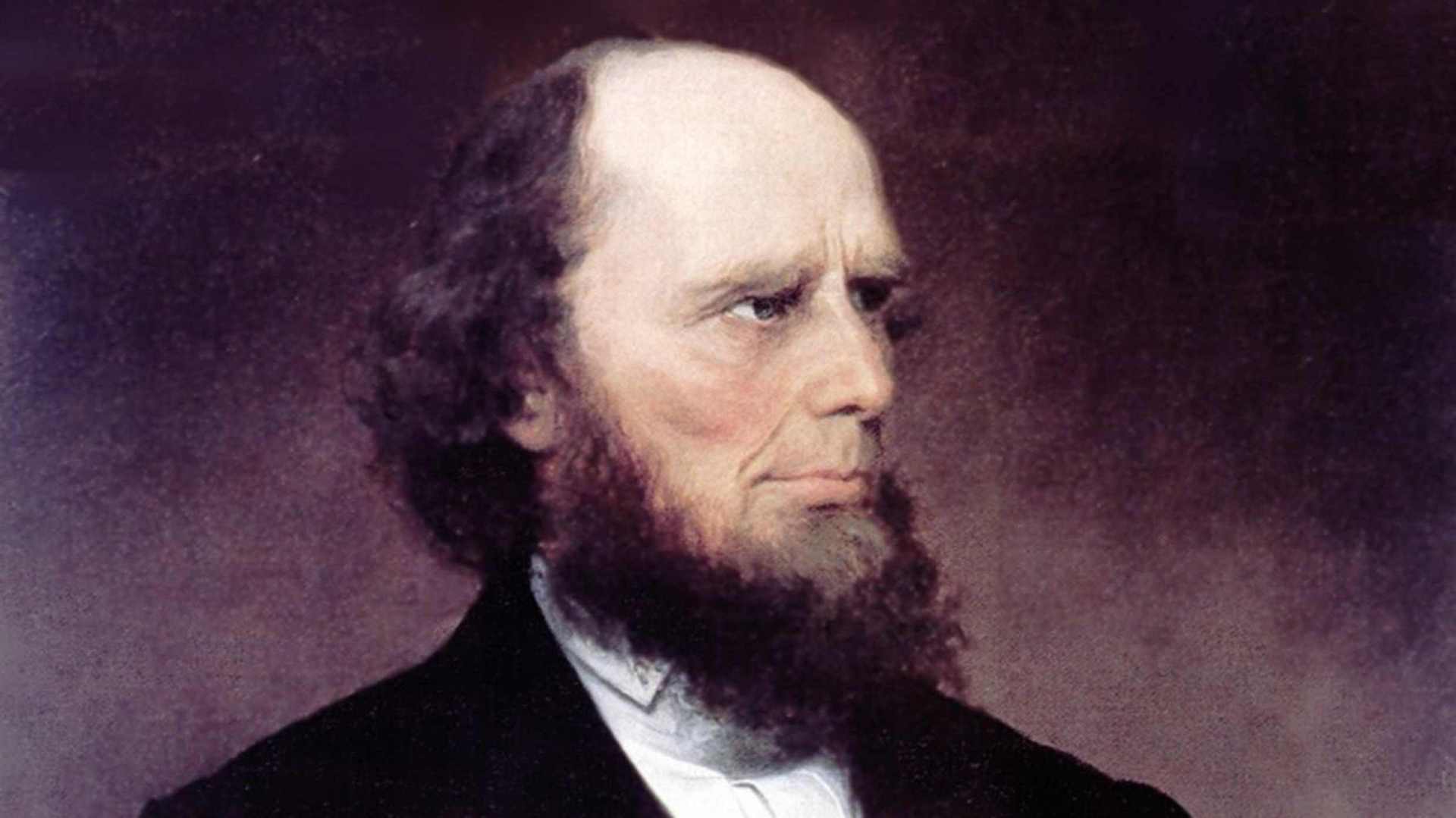
One option would be to try and do away with them, to try to improve the atmosphere of our services so as to facilitate a better worship experience. This would be the advice of Charles Grandison Finney (1792–1875), the gifted and eloquent itinerant revival preacher who, perhaps more than anyone else, shaped the way modern evangelical churches in America look and operate. He even gave us a textbook (Lectures on Revivals of Religion, 1835) on how to engineer the perfect effect in our services—an intense, exciting, and distraction-free atmosphere that best rouses the emotions and will to spring from the “anxious bench” and follow Jesus. In it, he gives the following advice:
People should leave their dogs, and very young children, at home. I have often known . . . children to cry, just at that stage of the services, that would most effectually destroy the effect of the meeting. If children are present and weep, they should instantly be removed. . . . And as for dogs, they had infinitely better be dead, than to divert attention from the word of God.
So, that’s one option: dead dogs and children weeping to themselves in a far-off room. Inspiring stuff.
But there’s also another option: maybe these common “distractions” are telling us our preoccupation with effect is, ironically, the real distraction to true worship. They remind us that the drama of worship doesn’t depend on hair-raising solo performances or perfectly delivered one-liners, but on the church’s corporate participation in creation’s ultimate purpose: enjoying and glorifying God.
Sometimes this drama produces inspirational feelings and a rejuvenated spiritual boost. If we’re honest, though, most times it doesn’t. But we miss the point if we think a lack of ecstasy detracts from what should really be center-stage: the character and acts of God.
Of course, our liturgy should be orderly. (And yes, you should probably leave your dogs at home. Probably.) But the objective of the church service isn't to fabricate soul-shaking, Finney-esque experiences. Instead, worship directs us to imitate and adore a God who never sees his people—his off-key singers, his crying children, his obnoxious ringtone bearers, his sniffly-sneezy-coughing commotions—as distractions from his heavenly vibe.







