
In this age of the blockbuster superhero movie, audiences have come to expect the hero’s origin story. Why does he wear that cape? Where did she learn to fight like that? Why do they hide behind those secret identities?
Many recent superhero movies shuffle through the origin narrative as quickly as possible. Every so often, though, films will invest the time necessary to transform their protagonists from one-dimensional archetypes into flesh-and-blood human beings.
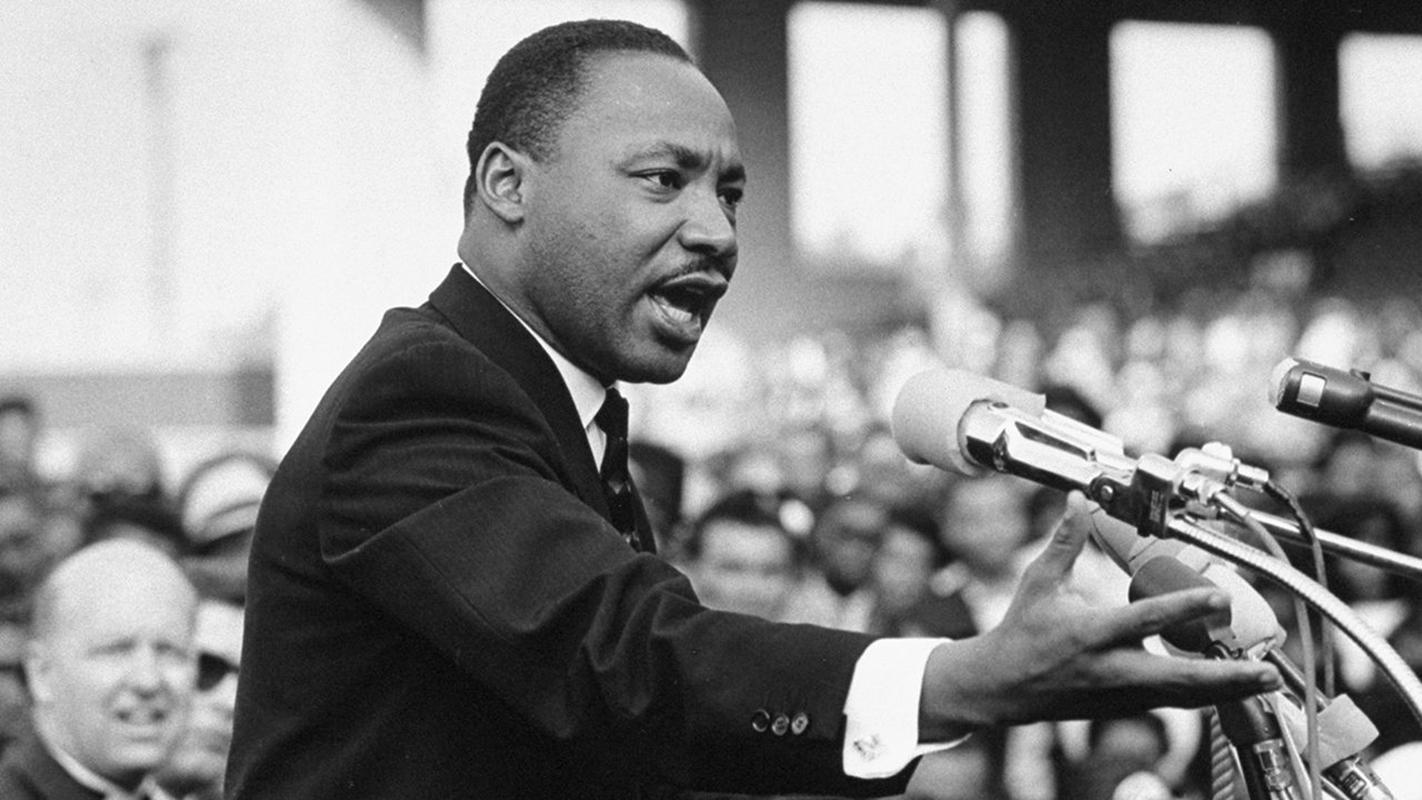
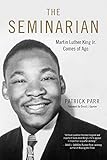
Most biographies of Martin Luther King Jr. have focused on King the civil rights icon, spotlighting his role from the Montgomery bus boycott onward. In The Seminarian, Patrick Parr instead gives us an extended look at the formative years of the preacher’s postgraduate education at Crozer Theological Seminary near Chester, Pennsylvania, then a small, liberal-minded school of fewer than 100 students (less than a quarter of whom were black).
Parr is a wonderful guide through this pivotal season of King’s intellectual development, spiritual formation, and youthful angst. We feel the young seminarian’s anxiety as he arrives at a predominantly white school, we witness his encounters with the North’s less flamboyant but equally treacherous brand of racism, and we experience the heartbreak of his short-lived romance with a white student.
From the vantage point of a Northern city, the Atlanta-born King began to reflect on the racial injustices of the Deep South and the cleansing potential of a liberal religious activism. This was King’s first extended time in the majority-white world, and he felt obligated not to perpetuate stereotypes associated with Southern Negroes. Consequently, he worked hard to prove to his white professors and classmates that he belonged. He was always early to class, immaculately groomed, and thoroughly prepared. Writes Parr, “He affected a ‘grimly serious’ demeanor.”
Gradually, King became a warmer, more spirited presence about campus. As his natural oratorical gifts emerged, students packed the lecture hall whenever King was scheduled to speak. He was eventually elected president of the student body. At the height of his popularity, he carved out time from his studies for weekend parties, played cards and billiards (two pastimes that had been off-limits as a preacher’s kid), and took up cigarettes. But none of this impeded his academic prowess, and the goal of breaking down legal barriers to Negro rights was never far from his mind.
It’s fascinating to see King wrestling with what he would be as a preacher and an intellectual. Though he arrived at Crozer wanting to escape his black Southern Baptist heritage, he continually found it springing up from within. At the same time, he struggled to smoothly incorporate his newfound passion for Northern liberal intellectualism into his sermons. One black pastor was clear in pointing out King’s deficiencies— and “snobbishness”—as a preacher, noting that he failed to understand “the demands of ministering effectively to the average Negro congregation.” Still another critique described his preaching as “more style than content.”
“Audiences wouldn’t complain later in King’s life, when he used such rhetorical flourishes to promote the noble cause of civil rights,” Parr writes. “But all too often at Crozer, they were embellishments without a larger purpose.” In time, though, King learned how to make the different pieces work together. Parr shows us the evolution of a Christian visionary in training.
The Seminarian is a refreshingly brisk read. Grounded in exhaustive, primary-source research, the narrative bounds forward with an energetic curiosity that resembles the bright and restless spirit of its young protagonist. The book really shines when Parr steps aside and allows King’s friends, classmates, and professors to share their own impressions.
Parr also devotes space to the elephant in the room: allegations of plagiarism. While offering no excuses for the recklessness that contributed to King’s academic violations, he also notes the occasionally undisciplined culture espoused by some Crozer faculty that contributed to those same violations.
White evangelicals have sometimes faulted King for attending an overly liberal seminary. But these complaints miss the fact that, in his day, attending a theologically conservative school wasn’t a plausible option for a Negro student in the segregated South. (How biblical were seminaries that preached segregation anyway?) Perhaps King wouldn’t have become the prophetic leader we needed had his black faith never intersected with the white intellectualism that inspired him up North.
Edward Gilbreath is the author of Birmingham Revolution: Martin Luther King Jr.’s Epic Challenge to the Church (InterVarsity Press).
Are we right about this? Off the mark? Share your feedback here.