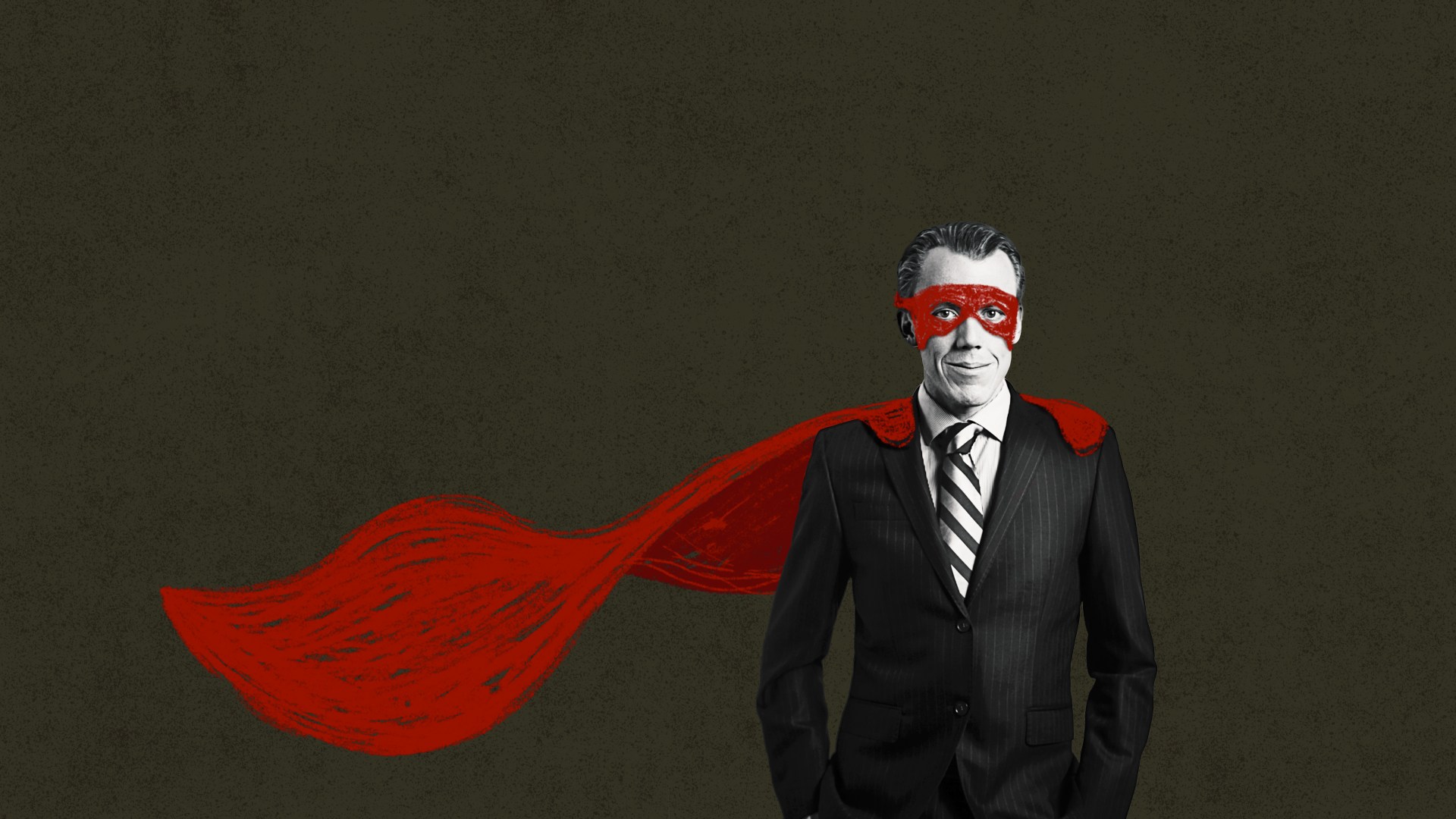

For most of the year, a friend in England and I have debated whether his country’s politics are becoming more American. Much of it had to do with the roiling scandals around Prime Minister Boris Johnson. My friend was constantly telling me, “This time, Boris is done for,” but I was never quite sure. Ultimately my friend was right, and Johnson’s Conservative Party forced his resignation. But critics agreed that he stuck it out as long as he did because, as many put it, “Shamelessness is a superpower.”
A sense of personal disgrace used to lead those whose scandalously bad character was exposed to voluntarily step aside in contrition. When the tabloid publishes pictures of the senator with a model on his lap, he would announce that he was going to spend more time with his family. When the tobacco company CEO’s notes are found about how to conceal the addictiveness of nicotine, he would “seek other opportunities.”
This was about more than just a public sense of right and wrong. Most people couldn’t bear the humiliation of the public knowing about their sexual exploitation of an intern or hearing their own recorded voice bragging about how their star power allowed them to grab women by the genitals.
But then the people with this sort of shame were sorted out, leaving behind those who didn’t blush when they said, “It depends on what the meaning of is is” or “This is just locker-room talk.” Those who don’t feel shame have learned that, eventually, most people will be exhausted and move on while their hard-core “base” will learn to normalize whatever the character flaw is.
This is not just in government. If Billy Graham or Mother Teresa had been found to be using donor money to purchase luxury jets, the scandal would have been in the first paragraph of their obituaries. When Kenneth Copeland muses that he can’t do devotions while flying commercial, people shrug and think nothing more of it. In a performative age, brazenness gives an illusion of strength. After all, to apologize or to repent is to look weak. And when people expect their leaders to be avatars of vicarious power, weakness is the only unforgivable sin.

In such an environment, by sheer Darwinian measures, the shameless are always going to have an advantage. If a lack of shame is what it takes to succeed, sociopaths will proliferate. This is not only in leaders without character but also in followers who come to see character as itself a lack of the strength needed to fight whoever one deems one’s enemies. Those who will shamelessly employ internet troll tactics—whether on the actual internet or in church congregational or denominational meetings—have an advantage over those who would feel shame if they were to employ falsehood or rancor or what the Bible calls “an unhealthy craving for controversy” (1 Tim. 6:4, ESV). Those who can still feel shame, whose consciences are still vulnerable to conviction by the Holy Spirit, will then step back or step away. The shameless will inherit, if not the earth, then at least the political party leadership or the congregation or the school board or the social media feed.
But shame never really goes anywhere but underground. Those who can’t feel it still bear it. They find fig leaves to cover it, even as they project their shame elsewhere (Gen. 3:7–13). Behind those quivering bushes, there are men and women scared of the presence of God—a fear they can easily translate into hostility toward those less shameless (Gen. 4:5–8) or boasting in their shameless dominance over those still weak enough to feel shame (Gen. 4:23–24).
In the short run, shamelessness works. Eventually, though, one must stand before God—naked and unable to fight one’s own conscience with bravado. What is necessary, then, is not what looks strong now, but what looks very weak—the Cross. Against a pagan valorization of power, the apostle Paul delivered the gospel of a naked and tormented man, seemingly “owned” by the torture rack of Caesar, and said of that gospel, “I am not ashamed” (Rom. 1:16).
In a world ashamed of suffering, the Spirit tells us to glory in weakness but to guard character (1 Pet. 4:16). That doesn’t win arguments or gain influence. Those who taught us that ended up in prison or in exile or in borrowed tombs. But the Christian gospel tells us there’s something on the other side of all of that, someone on the other side of all of that, and that he is not ashamed of those who wait without winning by the world’s terms (Heb. 11:16).
Shamelessness is a superpower, unless there’s a God.
Russell Moore is Christianity Today’s chair of theology.