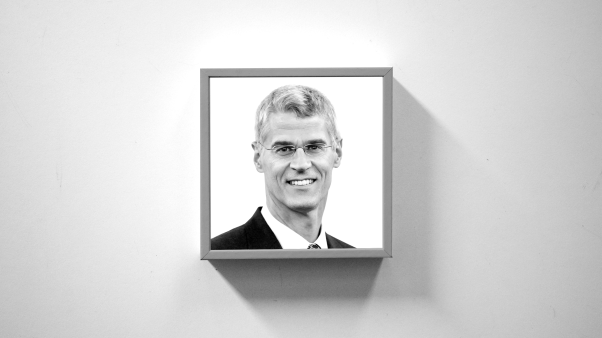



The Methodist Church in Kenya elected a new presiding bishop on July 20, three months after the last one was forced from leadership.
Isaiah Deye, 61, was elected with 76 percent of the vote at the 58th Annual Conference of the Church in Nairobi, raising hopes that recent turmoil and threats of schism will come to an end.
“I am greatly humbled and yet highly honored to be elected as the Presiding Bishop of the Methodist Church in Kenya and accept your decision that I should ascend to the office of the Presiding Bishop,” Deye said in his acceptance speech on Friday. “I pledge to be a leader who will seek to serve rather than to be served, and a role model for all the clergy and laity.”
The bishop has led the church in an acting capacity since April, when Bishop Joseph Ntombura was removed from office due to allegations of mishandling church funds and investments in a hospital, a resort, and a national university.
The allegations had put Ntombura in conflict with other church leaders. Methodist churches across the country had begun to make moves to create their own autonomous conference.
Deye garnered 281 votes, a majority of the 366 ballots cast. The race included three other candidates. His closest rival, Catherine Mutua, garnered 35 votes.
Deye is the second presiding bishop from the country’s coast region, which includes the region’s capital, Mombasa. Most church leaders have come from Meru, a region of Eastern Kenya.
Deye has said he hopes to be an example of Christian love and service in the church and asked for the church to unite behind him. “To succeed, I need your help in my efforts to bring unity in the church. For unity to take root there has to be harmony in the church,” the bishop said.
Earlier this month, Deye welcomed back to the church clergy and members who were ex-communicated or had left the church due to the disagreements with the former presiding bishop.
The British Methodist Church established Methodism in Kenya in 1862. In 1967, four years after the country won its independence from the United Kingdom, the church, too, became independent and known as the Methodist Church of Kenya.
By 2019, the church had eight synods (each headed by a bishop), 205 ministers and 1,000 congregations, with 300,000 registered members amid a broader Methodist community of 800,000. It sponsors 200 schools, a hospital, agricultural training institutes, youth polytechnic and technical schools, special schools for the physically disabled and vocational schools.
The church had remained fairly stable until 2015, when Ntombura, two years into his 10-year term, changed its constitution and established new rules. He has been accused of defrocking more than 100 clergy, selling church property without approval and using other properties as security for loans.
But now, clerics and lay Methodists in Kenya hope the new leader can breathe new life into the church and unite and heal it following the bitter wrangles under Ntombura’s leadership.
“The Methodist Church in Kenya is at the verge of bouncing back,” former Bishop Paul Matumbi Muthuri told Religion News Service. “We came bleeding but the Lord has spoken. Brethren are now reconciled to each other. And moving forward we see a church that is one, embracing and in mission.”
Mischek Kobia Michubu, a steward of the Kawangware Circuit in Nairobi, said he hoped Deye would begin a process of healing and reconciliation and bring members who had left the church in the past decade back to the fold.
“I think he can easily unite the church,” said Michubu. “He has overwhelming support for strongholds. All the way to the grassroots, the church members are extremely happy about this election.”