I often describe the editing process as a relationship between editor and writer. Like most relationships, it requires clear communication, value for each other’s contributions, and compromise.
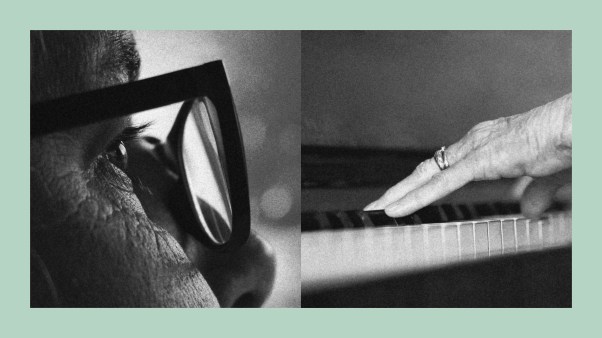
But there’s an aspect of the relationship that tends to be one-sided. As an editor, I get to know certain writers in first-person pieces that share anecdotes from their work in ministry, stories about their families, and insights about lessons learned. As a first and detailed reader, I glean this sense of who they are and how they live their lives, but that isn’t reciprocated in equal measure.I was thinking of this skewed dynamic when editing Jen Wilkin’s feature article on aging, which includes the story of her mother’s final weeks. I’ve been editing Jen’s work for almost a decade, and her family members have been recurring characters in her work. I remember praying for Jen when she asked for an extension on a deadline for a previous piece due to her mother’s illness and passing. And now, three years later, I felt especially invested when I read her recent account of how her family cared for her mom—and the reflections on caretaking and aging that have come since.