I once lived in a neighborhood where the pecan trees rose a hundred feet high into the burning Texas sky. The two trees in the backyard and one in the front towered over our home with a kind of regal elegance and regularly bore buttery nuts in the late spring.
In 2005, they turned strange, however. All summer long, they began losing limbs, in some instances at a wild, feverish pace. Thick, scaly branches ripped away, cracking the air with a screeching sound, then plummeted noiselessly to the ground. All down my block, branches crashed on top of cars and roofs and lawns, yielding a great whine of chainsaws.
Good things that should have been strong and enduring were falling apart.
Much the same can be said about this past year: marriages broken by infidelity; families torn apart by political animosities; congregations damaged and then fractured by the abuse of authority; cities roiled by cycles of protest and counterprotest, some of them turning brutally violent; landscapes ravaged by fires.
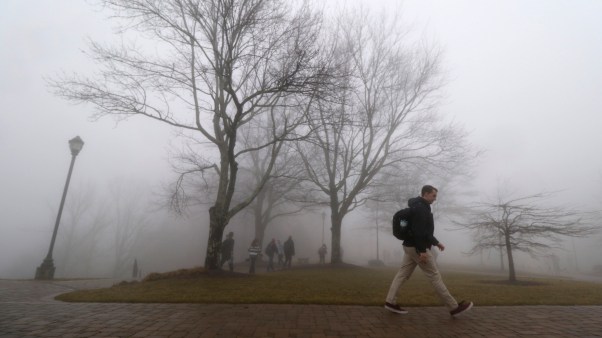
Seeing so many things break down in the world around us can cause even the sturdiest among us to begin to lose it. We lose hope. We lose the will to care. And when left to our own devices, dark despair settles in and corrodes our senses of what’s real and good and worthwhile.
This is where the words of the prophet Isaiah speak to us across the centuries to convey a word of hope. “Hold on, dear pilgrim,” he tells us. “Hold on.” Then the Lord speaks in Isaiah 35:3–4:
Strengthen the feeble hands,
steady the knees that give way;
say to those with fearful hearts,
“Be strong, do not fear.”
Blind, deaf, lame, and mute—of both body and heart—will be made whole. Wastelands will blossom. The hot sands will become a cool oasis. Wrongs will be made right, and the redeemed will return home dancing with halos of everlasting joy. It will not always be dark and dreadful.
When things in our lives and the world around us keep falling apart, in ways that might seem utterly pointless or downright merciless, it’s easy to lose hope. And when we lose hope, the world can feel terribly bleak and not worth bothering about.
God knows our hearts need help in such times. He knows our hands will grow weak and our hearts fearful. He knows we’ll want to give up, even if only in small ways. So, it is to us, here and now, that he speaks a word of promise: “Gladness and joy will overtake [you], and sorrow and sighing will flee away” (v. 10).
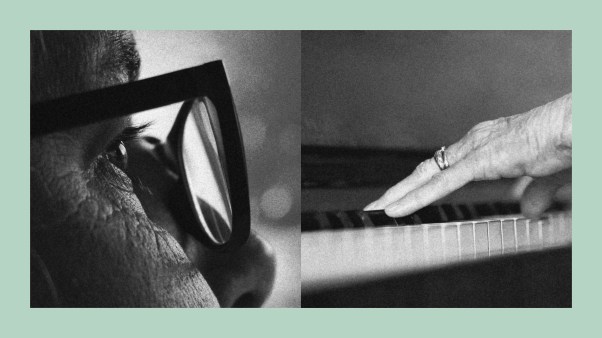
We lost one of the pecan trees at our old Austin home, and the two that remained looked haggard and spindly. I imagine many of us feel similarly today. We feel worn down by all the things that are breaking down. But to each of us, our Lord speaks: “Be strong, and do not be afraid. I am coming. I am coming and will set all things right.”
W. David O. Taylor is associate professor of theology and culture at Fuller Theological Seminary and the author of Open and Unafraid, A Body of Praise, and Prayers for the Pilgrimage. He posts about art and theology @davidtaylor_theologian on Instagram.