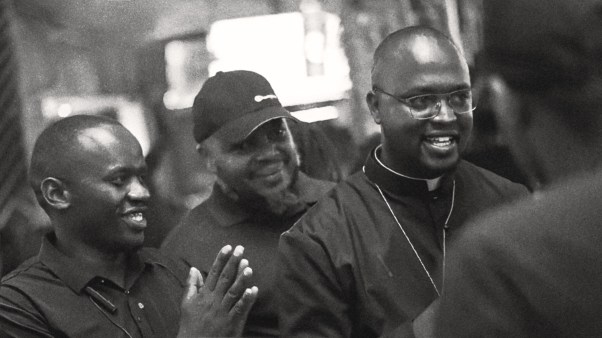
Ukrainian American pastor Alex Zaytsev has witnessed Russia’s war machine wreak havoc and tear families apart. When the full-scale invasion began in 2022, he initially remained in his apartment in the eastern city of Avdiivka and opened his church building as a bomb shelter for locals.
Yet a month later, Russian attacks on his town intensified and Zaytsev fled 25 miles northwest to Pokrovsk, where he helped with evacuations and aid deliveries. Zaytsev was born in eastern Ukraine and grew up in Washington state before returning to Ukraine in 2016 to serve as a pastor and missionary with Church Without Walls.
As the war dragged on, Zaytsev encountered teenagers—bored and restless—roaming the streets. Schools and businesses had closed, and virtual classes were unpredictable. So Zaytsev launched a teen ministry in one of his denomination’s church plants in Pokrovsk. Each morning, he unlocked the church building and welcomed the teenagers inside.
“My mission was to share the gospel with them,” Zaytsev told Christianity Today. “And I did this until it became too dangerous to stay in Pokrovsk.”
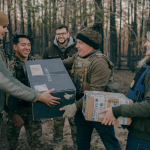
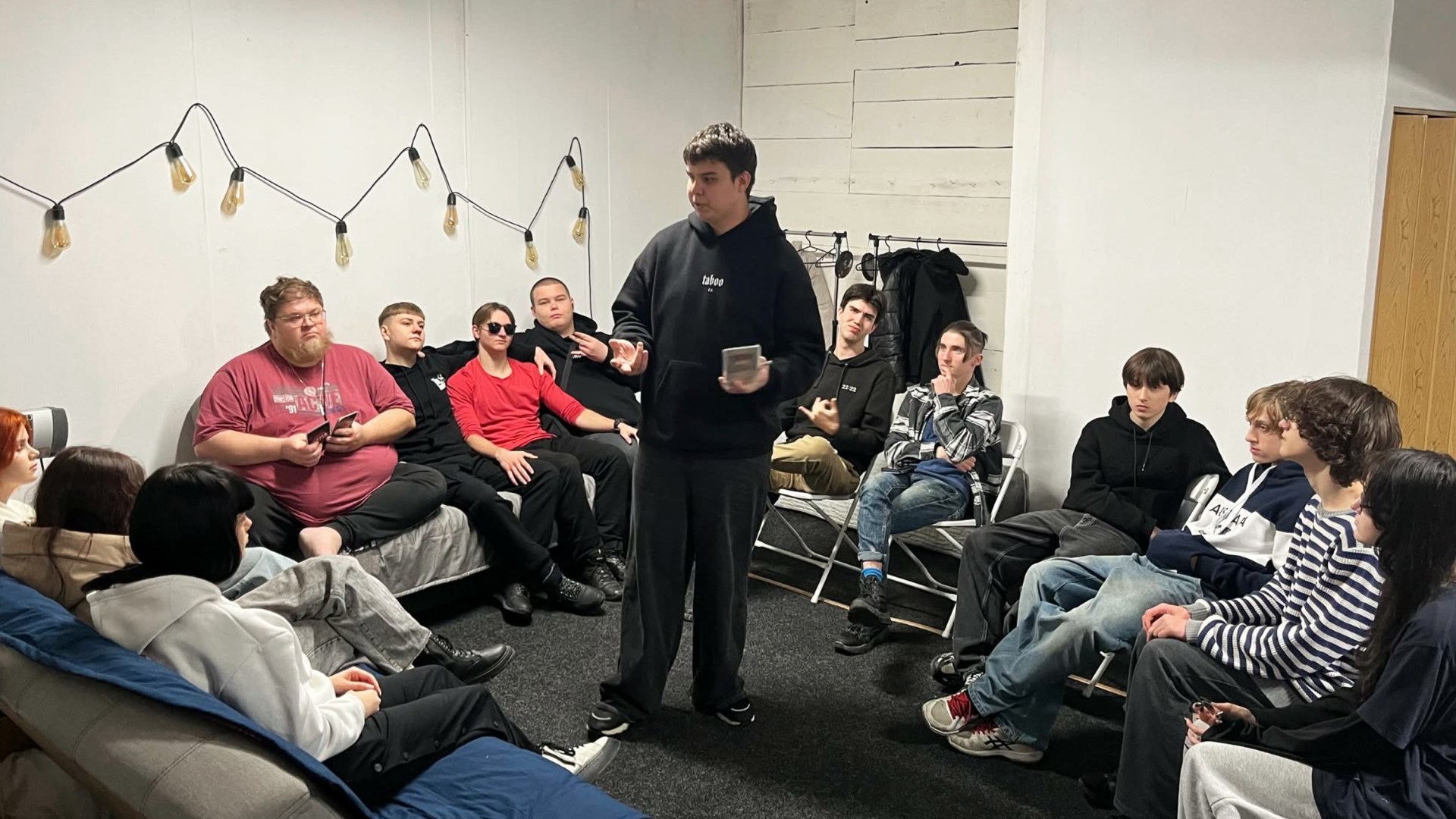
After Russian troops conquered Avdiivka in February 2024 and began advancing toward Pokrovsk six months later, Zaytsev moved again. This time he fled farther west to Ivano-Frankivsk, and he did not go alone—he brought along 20 teenagers seeking to escape the war’s frontlines. Another pastor joined him, and together they rented several apartments and a multilevel house for the group. Many had come from troubled backgrounds, and their parents had decided to stay behind or delay evacuation.
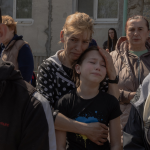
Zaytsev said Ukrainians are tired of war. Moscow is bombing civilian centers on a near-daily basis, families are split up, and soldiers are dying. More than 14,000 Ukrainian civilians have died since the war began four years ago, and nearly 4 million people have been internally displaced.
“Almost everybody has lost somebody, and quite a few people have lost very much,” Zaytsev said.
After seeing Moscow’s troops attack his city, he questions any cease-fire plan that does not include solid security guarantees. “Will other countries help us if we get attacked again? That’s the primary question that a lot of people have,” he said.
After a flurry of US-led negotiations in recent months, a new cease-fire proposal offers some hope for weary Ukrainians.
President Donald Trump met with Ukrainian President Volodymyr Zelensky in Florida last week to discuss Ukraine’s new 20-point plan to end the war with Russia. Zelensky said the two countries agree on most of the points, and Trump claimed a deal to end the war is “maybe very close.”
The plan allows Ukraine to maintain a peacekeeping force of 800,000 troops and join the European Union. It also includes explicit promises that Washington and its European allies would come to Ukraine’s aid in future conflicts. After his meeting with Trump, Zelensky said the president offered 15 years of security guarantees—short of the decades the Ukrainian president believes are necessary to prevent another war but a substantial improvement from prior US proposals.
The Trump administration’s original 28-point peace plan from last fall made major concessions to Russia and required Ukraine to reduce the size of its military, cede land, and agree not to join NATO. It offered only vague US defense assurances.
During talks with Ukrainian and European officials in mid-December, Washington agreed to provide Ukraine with “NATO-like” security guarantees—a hopeful sign for Ukrainians who have grown increasingly worried about the United States pulling its support. NATO’s Article 5 requires members to treat an attack against one of its countries as an attack against all and to respond with whatever measures are deemed necessary. Negotiators have not released details of the security protections, which still require congressional approval.
On Tuesday, Trump’s special envoy Steve Witkoff and his son-in-law Jared Kushner met with leaders from more than 30 European nations to discuss Ukraine’s long-term defense assurances. The UK and France agreed to establish military hubs and build protected weapons facilities in Ukraine when the war ends. In September, French President Emmanuel Macron said that 26 countries from the so-called “coalition of the willing” had committed to sending troops to Ukraine in the wake of a cease-fire.
Yet sticking points remain, including convincing the Kremlin to accept new Western-backed security guarantees and negotiating territorial concessions.
Russia wants to control five Ukrainian regions, including cities such as Pokrovsk that it has not been able to conquer despite multiple attempts over nearly two years. Kyiv says ceding any territory to Russia would violate its constitution, while European leaders argue that such a concession would reward Russia for its aggression.
Putin has shown little interest in ending the war and has repeatedly demanded that any negotiated cease-fire address the origins of the conflict—in essence, Russia’s maximalist demands from day one of its invasion. Moscow has increased its attacks on civilian centers and launched massive strikes on Ukraine’s energy infrastructure, leaving entire regions without power as temperatures dropped below freezing last month.
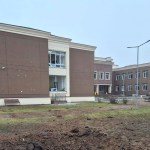
Zaytsev said most residents of Avdiivka will not return home even if peace talks are fruitful. The war destroyed much of the city, including a massive coke plant that helped fuel the local economy.
While 15 of the 20 teenagers who left with Zaytsev eventually reunited with their parents, five are still under Zaytsevhis care. Some come from troubled backgrounds, with alcoholic parents who struggled to care for them. All five teens came to faith in Christ through the Church Without Walls ministry.
In the meantime, Zaytsev is teaching the teenagers practical life skills like taking the garbage out before it stinks up the house, avoiding junk food combinations—such as energy drinks, chips, and gummy bears—on an empty stomach, showering regularly, using deodorant, and limiting themselves to a small (not big!) squirt of body spray. He has also taught them how to bargain-shop for coffee for church services, plan games for youth group gatherings, and manage conflict. The teens help prepare Communion, coffee, and cookies for the Sunday morning worship services.
The church Zaytsev planted in Ivano-Frankivsk 18 months ago grew quickly to about 40 people due to the influx of internally displaced people in the region. Two months ago, the 32-year-old pastor launched a second church plant there.
As world leaders continue negotiations and discuss funding to rebuild Ukraine, Zaytsev is laying the groundwork for healing and forgiveness among both teens and adults. He acknowledges that forgiveness may be difficult as long as Ukrainians are under constant attack, yet he reminds his congregants that it will be an important future step.
Zaytsev points them to the passages in Genesis that speak of Joseph forgiving his brothers for selling him into slavery. “This should be an example for us to strive for—that we also will have to forgive people who have caused us extreme pain,” he said.
Related