On a sweltering Sunday in Cúcuta, Colombia, the worship team at Casa Sobre la Roca prepared onstage in the cool, air-conditioned sanctuary as parishioners, many from the city’s upper-class neighborhood, mingle before the first service.
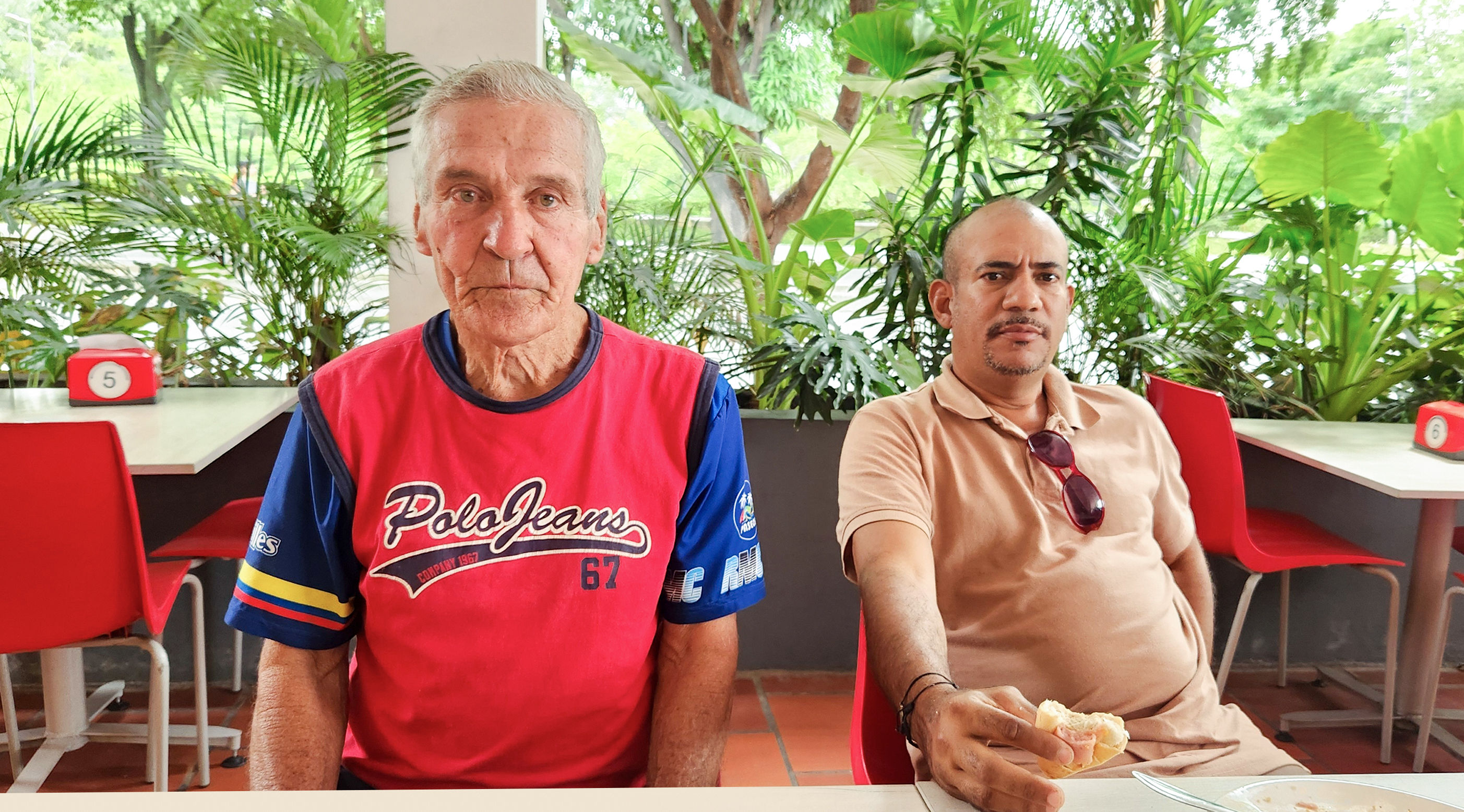
Unnoticed, a grey-haired man with deep wrinkles etched in his face and a trash bag in his hand limped to a seat in the last row. Minutes later, a younger man with a trimmed goatee holding his own plastic bag slid into the seat next to him. Their shoes were worn from days of traveling from their home in Valencia, Venezuela, to the Colombian border town of Cúcuta.
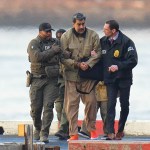
Jonathan Coche-Vásquez and his uncle Frank González left Venezuela on January 2 and first heard about the US military capture of President Nicolás Maduro on the radio a day later, when they were already in Colombia.
The news brought them new hope for their country. But as the days passed, that elation dissipated as Venezuela’s Chavista leadership remained in power. They were encouraged to hear that officials with the US State Department had arrived at the embassy in Caracas to assess reestablishing diplomatic ties, as well as that opposition leader María Corina Machado would meet with President Donald Trump, which ended up happening on January 15.
“We know things are going to change. We hope it will be for the better, but no one knows how long it will take,” González said. “We decided to leave the country because the hunger and poverty we experienced in our city, Valencia, couldn’t wait. We want to get to [Colombia’s capital of] Bogotá to find work in gardening or construction.”
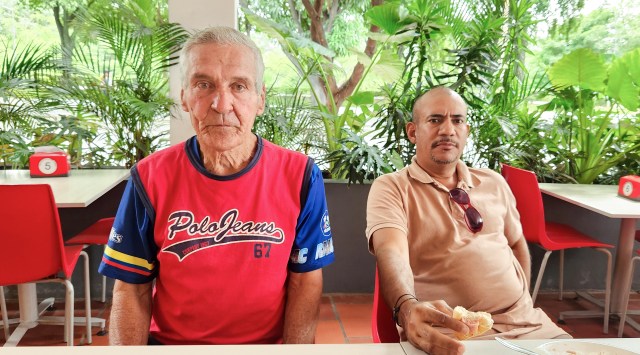 Image courtesy of Hernán Restrepo
The night before, the two had slept in the Colón Park, a popular spot for Venezuelan migrants and displaced Colombians due to its enormous trees that offer respite from the relentless heat. But as they slept, robbers stole their backpacks and the little money they had. All they had left were a few changes of clothes that they hauled in their garbage bags. On Sunday, they stepped into Casa Sobre la Roca after a church member invited them to the service.
The pastor preached about the meaning of truth, interspersing his sermon with political commentary about Colombia’s upcoming elections. Despite struggling with fatigue, González and Coche-Vásquez listened attentively, shedding tears at the final moment of reflection on Jesus’ words in John 14:6, “I am the way and the truth and the life.”
Like González and Coche-Vásquez, two in three Venezuelans who have left the country would not want to return without security guarantees and a reinstatement of rule of law, as they fear state repression, poor quality of public services, and increased insecurity. Cúcuta, the main city along the porous 1,370-mile border separating Colombia and Venezuela, is often the first stop for Venezuelan migrants escaping poverty and violence.
As a result, in the past decade, Christians—many of them Venezuelan refugees themselves—have opened shelters, soup kitchens, medical clinics, and churches to aid the new arrivals. More than 215,000 Venezuelans now call Cúcuta home, along with 37,000 in the nearby city of Villa del Rosario.
Uncertainty remains after the US military strike on Caracas. Ministry workers don’t know whether they’ll see an influx of Venezuelans coming into Colombia or an exodus of refugees returning home. Either way, they are eager to help in whatever way they can.
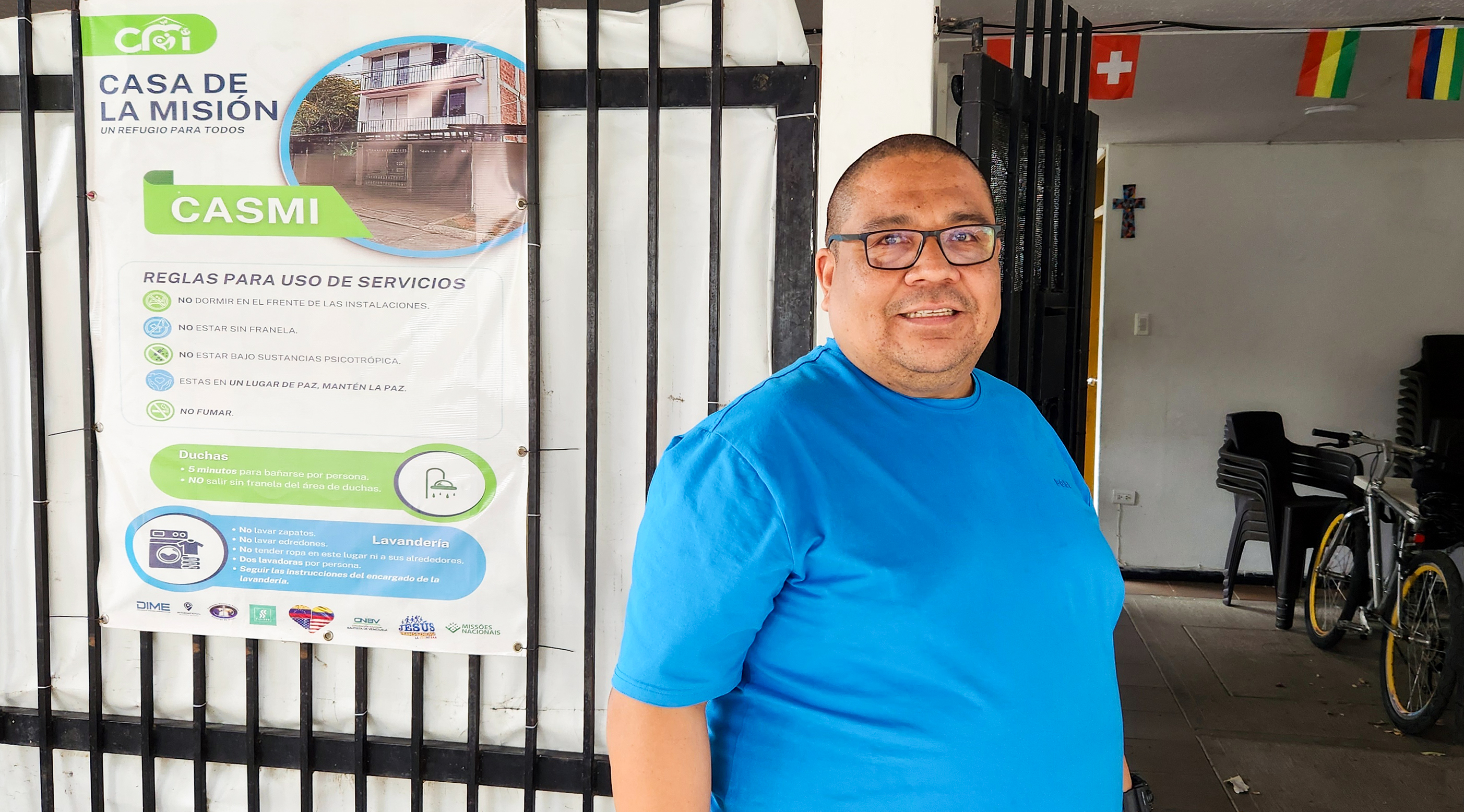
One of them, Ediober González (no relation to Frank), has helped distribute food for migrants through organizations such as Samaritan’s Purse since 2018. A Venezuelan Baptist pastor, he and his family decided to flee the country in 2015 after seeing his children’s school teach a propagandistic history of the Cuban Revolution.
“I understand that [people] are fleeing not only poverty but also the lack of freedom in our country,” he said.
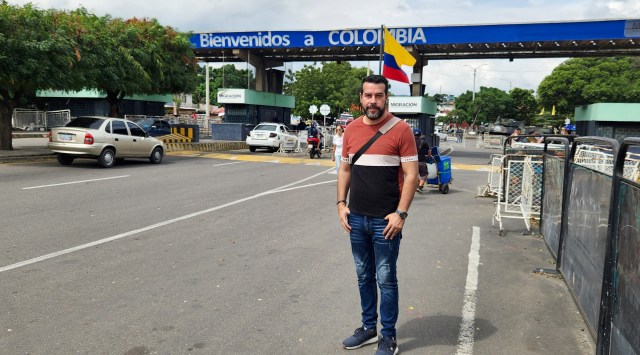 Image courtesy of Hernán Restrepo
Maduro had led Venezuela since Hugo Chávez’s death in 2013, and under his authoritarian rule, 8 million people left the country due to hyperinflation, political repression, gang violence, and a shortage of food and medicine.
Since arriving in Colombia, Ediober González noted that Cúcuta had received two major waves of Venezuelan migrants—the first following the country’s economic collapse between 2016 and 2018, and the second during the COVID-19 pandemic in 2021 as inflation increased dramatically.
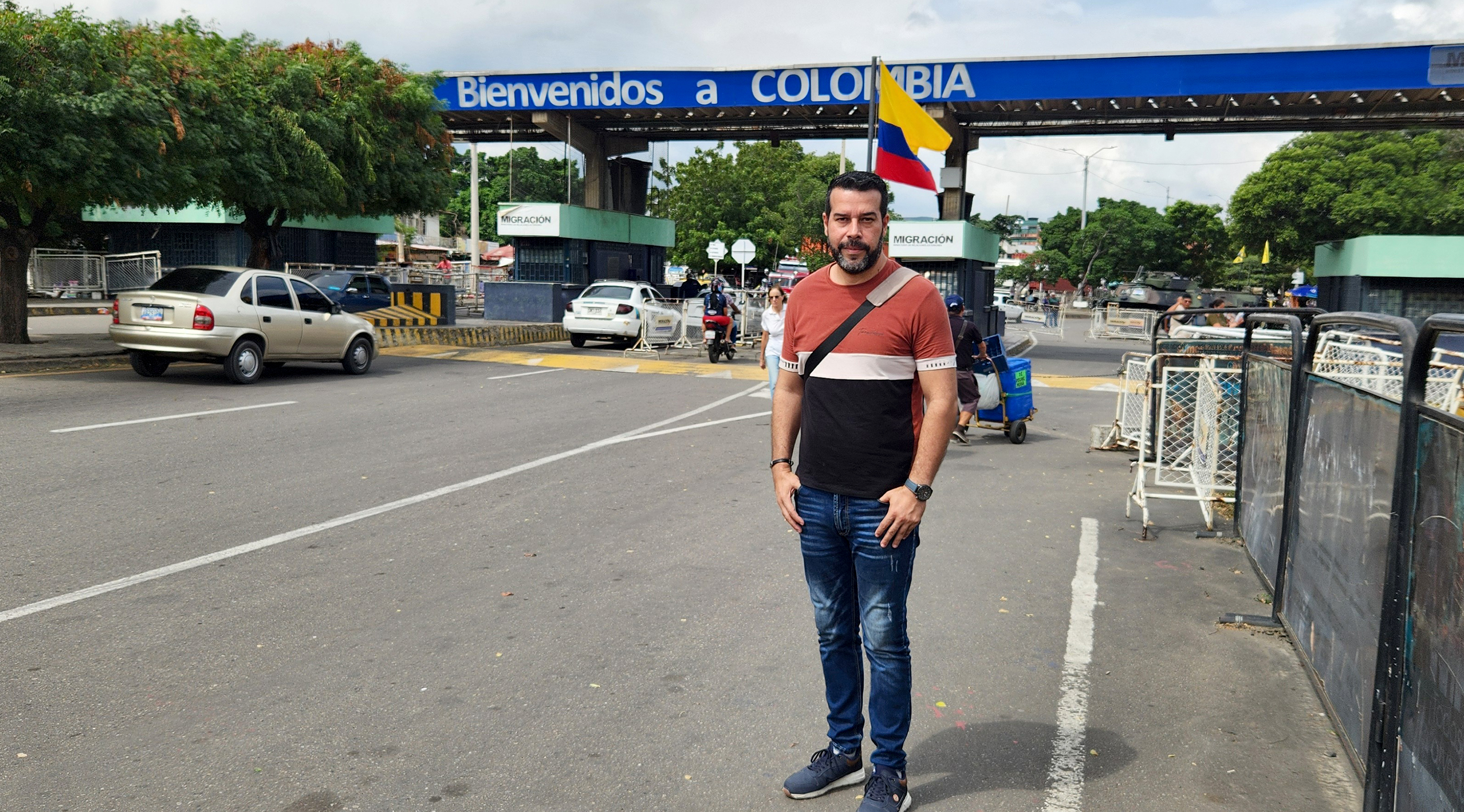
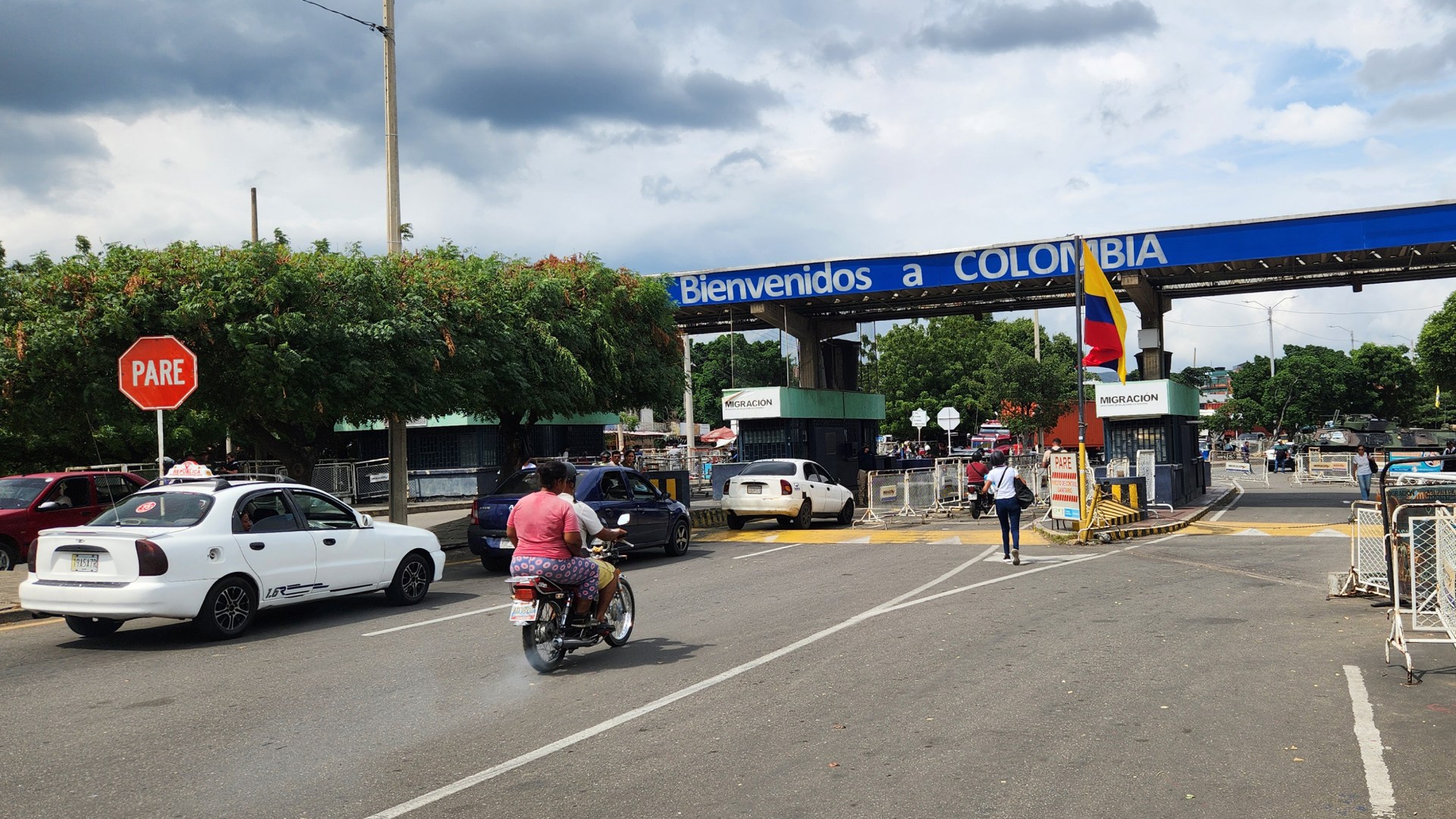
He recalls that during the two previous waves, rivers of people could be seen waiting to cross the Simón Bolívar Bridge, the main border crossing between Colombia and Venezuela, every day. Thousands more crossed through informal paths, taking advantage of the shallow waters of the Táchira River.
Today, the bridge is much emptier. A week after Maduro’s ouster, only a few migrants could be seen walking into Colombia carrying heavy backpacks. TV news reporters from around the world gathered by the border to interview migrants and immigration officials. Meanwhile, traders carrying bundles of clothes, toys, and medicines crossed the bridge to sell their wares in Venezuela.
Seeing the migrants resting on the sidewalk after crossing the bridge reminds Ediober González of Philippians 4:12—“I know what it is to be in need, and I know what it is to have plenty. I have learned the secret of being content in any and every situation, whether well fed or hungry, whether living in plenty or in want”—a verse that has helped him through difficult times in Colombia.
Despite having studied literature at a top Venezuelan university, Ediober González worked odd jobs upon arriving in Colombia: painting houses, selling bread, and making cakes. Up until four months ago, he worked for the Italian nonprofit Terres des Hommes, delivering food baskets to families at risk of malnutrition. But with the shutdown of USAID, the organization had to close its operations in the city.
Without that aid, more migrants are begging for money to pay for bus tickets to other cities in Colombia where they can find work and food. While Ediober González found the work of secular nonprofits meaningful, it also presented challenges to his Christian faith. In the past, he has disagreed with the content of their workshops on gender and sexual health. In one case, he turned down a job that would have made him recommend abortions to pregnant migrants.
Currently Ediober González is looking for work while making a little money on the side by giving rides in his car. As the deacon of his Venezuelan church in Cúcuta, he also takes on preaching responsibilities. His wife is a schoolteacher in the city.
After crossing the Simón Bolívar Bridge, many migrants head to the city of Villa del Rosario outside the southern edge of Cúcuta. Here the rent is cheaper, and the hillsides are dotted with unpainted brick houses with tin roofs.
In 2021, the Venezuelan National Baptist Convention, with the help of resources from the International Mission Board, opened a migrant shelter called Casa de la Misión in the city. The three-story building includes showers, laundry stations, and a doctor’s office, as well as two dormitories that can accommodate six men and six women.
The shelter’s doctor, Bruno Mendive, is originally from Caracas. Frustrated by continuous power outages and the lack of medicine, which made his work nearly impossible, he packed up his belongings, strapped them to the back of his bicycle, and rode to Colombia.
In 2020, he put his medical skills to work to treat the migrants who arrive at Casa de la Misión with heat exhaustion, dehydration, and blisters on their feet, as well as respiratory and gastrointestinal problems.
“The Venezuelan migrants I care for are glad to realize that a fellow countryman is helping them; they feel more at ease,” Mendive said. These days, he sees an average of 50 people a day. During the height of the previous migration waves back in 2021, the shelter received as many as 600 visitors a day.
Mendive said he feels grateful to God for the opportunity to help not only his fellow Venezuelans but also Colombians displaced by violence. In 2025, more than 100,000 people fled the Catatumbo region, north of Cúcuta, due to clashes between National Liberation Army guerrillas and the Revolutionary Armed Forces of Colombia’s 33rd Front, according to the Ombudsman’s Office.
Mendive recently accompanied humanitarian missions to nearby towns like Tibú and El Tarra, providing medical care, especially to children.
“More than advice, migrants need to talk,” said Venezuelan pastor Boanerges de Armas, director of Casa de la Misión and pastor of Global Missionary Baptist Church, which meets in the shelter. “Here, we give them food, clothing, and medicine. But we also listen to them and then pray for them before they continue on their journey.”
De Armas knows the pressures they face and the worries they have about family back home. He is cautious when he speaks about current events with his daughter, who still lives in Anzoátegui, Venezuela. She told him that the government sends “social fighters” to inspect citizens’ phones. If they find any anti-regime photo, meme, or WhatsApp conversation, they can detain the offenders, accusing them of attempting to undermine the peace of Venezuela.
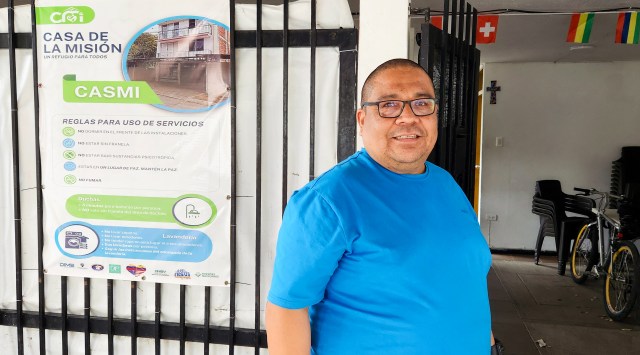 Image courtesy of Hernán Restrepo
He noted the shelter also serves as a missionary training center, using a three-year curriculum created by the Venezuelan Baptist Convention. So far, hundreds of young Venezuelans have come through the program to learn not only theory but also the practical skills of being a missionary and helping the community they are in. Through the program, 70 students have gone on to plant their own churches.
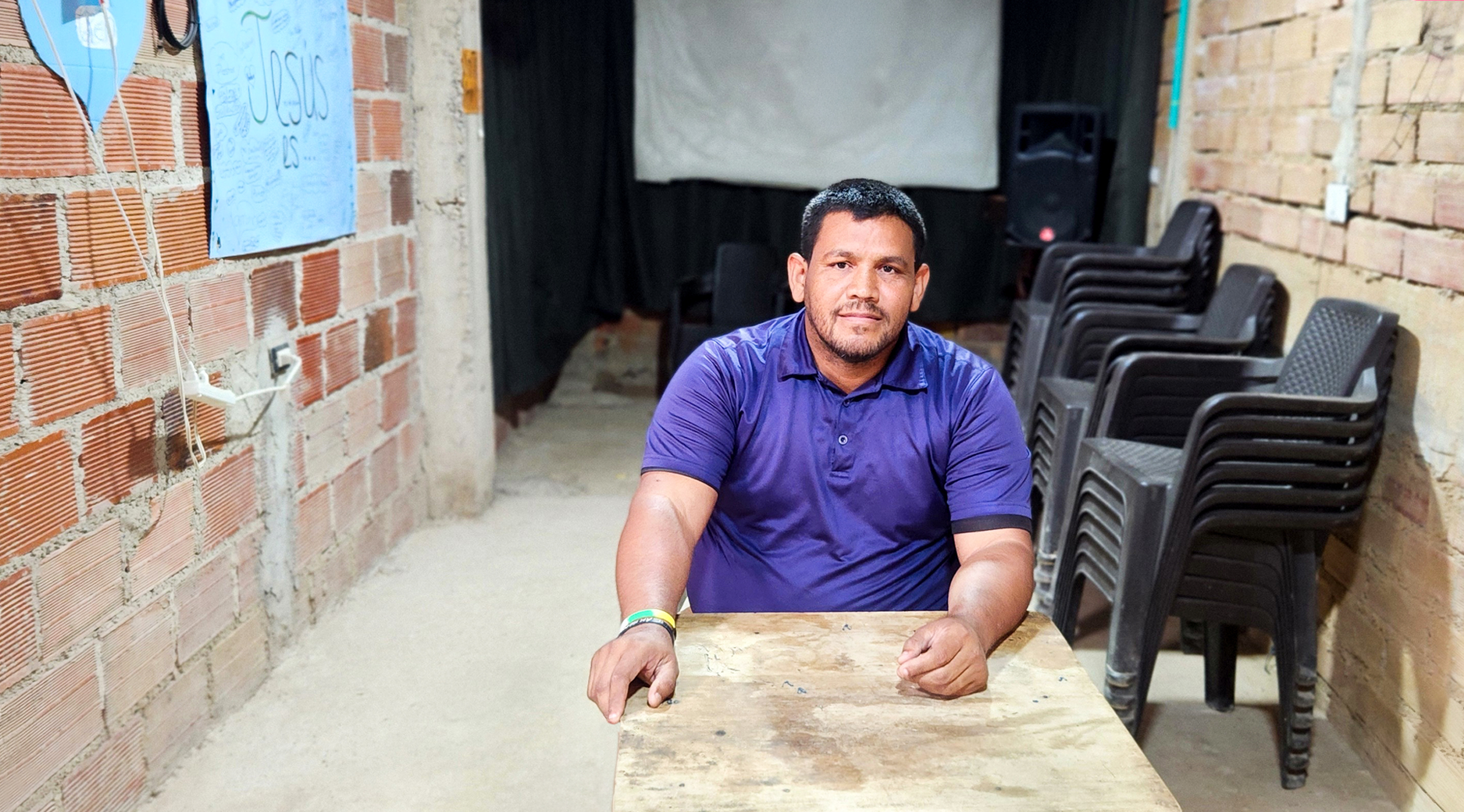
William Lacle graduated from the same program while living in Venezuela, before moving to Colombia in 2020 to become a missionary. During the pandemic, he and his wife would go to the Simón Bolívar Bridge and pass out food to fellow Venezuelan migrants, at times giving out 1,000 bowls of soup a day, he recalled.
“God has placed in my wife and me a great love for migrants,” he said. “Then God placed in our hearts the desire to establish a church and a soup kitchen. When we were looking for a place to do it, and we visited this hill [in Villa del Rosario] for the first time, I began to cry inexplicably, and I knew it was here.”
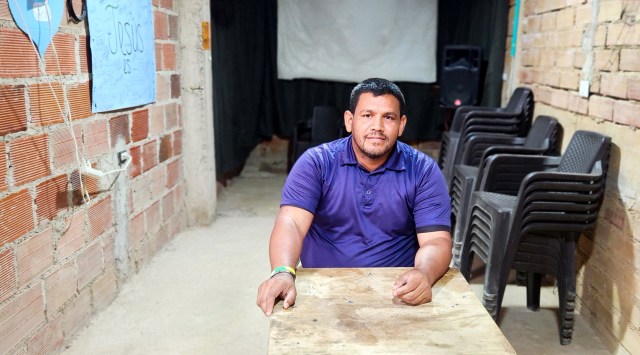 Image courtesy of Hernán Restrepo
Today, Lacle pastors Missionary Baptist Church Mi Alto Refugio, a small brick church just two miles away from the shelter. He’s constructing a second floor to the building to expand the capacity of their community dining hall, which currently provides hallacas (Venezuelan tamales) for breakfast and rice with sausage for lunch to hundreds of children, thanks to donations from the Christian nonprofits Blooms and Root and Semilla de Trigo Association.
On Sunday, 20 people filled the pews of his church, a mix of Venezuelan migrants and Colombians displaced by guerilla fighting. Lacle stood at the pulpit to preach about Romans 8:6—“The mind governed by the flesh is death, but the mind governed by the Spirit is life and peace.” A little more than a week after Maduro’s capture, he said that “the only way to have peace in this changing world is by believing the Word of the one who never changes.”
De Armas and Lacle believe that change will only come to Venezuela if the entire Chavista power structure—not just Maduro—is arrested. That includes Vice President Delcy Rodríguez, who is now Venezuela’s interim leader; her brother Jorge Rodríguez, president of the National Assembly of Venezuela; minister of the interior Diosdado Cabello; and minister of defense Vladimir Padrino.
“Maduro was like their puppet,” Lacle said. “Until they also leave power, Venezuela will not change completely. A tree may give you shade, but what gives it stability are all its roots. If you don’t cut the roots, the tree will remain standing. That’s what’s happening in Venezuela.”
Until that happens, the Venezuela migrants in Colombia won’t be able to return, he said. Lacle recognizes the strategy of Chavismo—the socialist political movement that brought Hugo Chávez to power—in the face of this new power vacuum.
“Socialists are experts at stretching out the process,” Lacle said. “Just like guerrilla groups in Colombia, they always say, ‘Let’s have a dialogue’; they buy time, rebuild their strength, wait for the waters to calm, and then stay in power doing whatever they want.”
The local Colombian churches in the border region also minister to the migrants and the displaced. For instance, Casa Sobre la Roca runs a home for orphaned girls in Cúcuta, providing them with food, clothing, and education until they graduate from university. Currently, it houses 34 girls. The church also operates similar shelters in eight cities across the country.
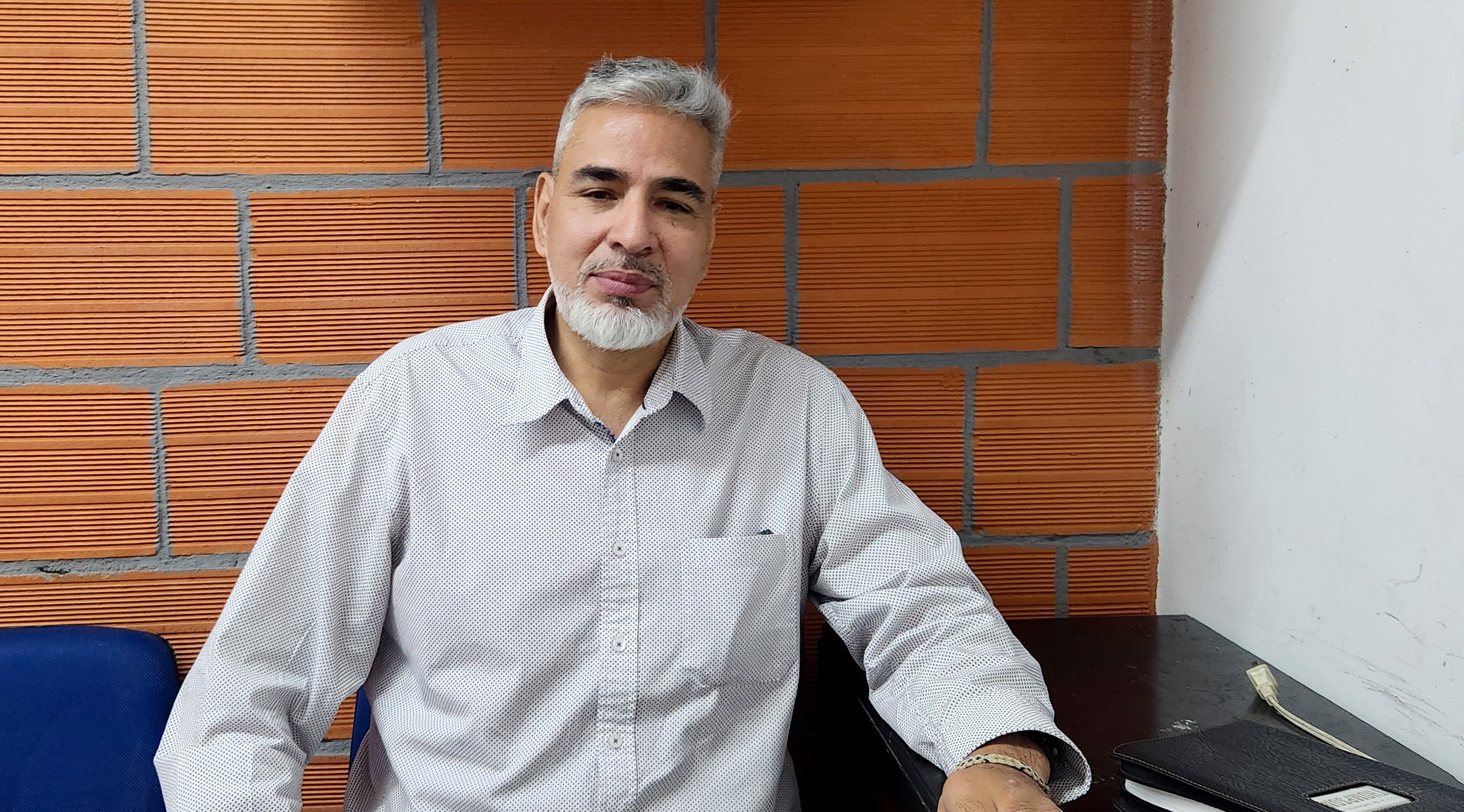
At the church’s Sunday service, Jesús Alberto Monsalve Cardozo was easy to spot sitting in the front row with the other church leaders in the congregation of 450 people. He is over six feet tall with white hair.
The leader of the marriage and prayer ministry, Cardozo was once a colonel of the Bolivarian National Armed Forces of Venezuela, where he was so well known for his faith among the military that many referred to him as “the Pastor.”
He decided to leave the military in 2021, months before his promotion to the rank of general. He said he felt God call him to full-time ministry and convict him to step down, as accepting the new position would force him to participate in publicly known alliances with drug traffickers.
Afterward, he left for Colombia. Since then, he has held different jobs: a librarian, a pet medicine salesman, and the operations director for a security company. Despite the difficulties of adjusting to his new life in Colombia, none of it compared to his sadness in learning about the ever-deteriorating situation in his home country.
In his daily conversations with his mother, who is still in Venezuela, he hears the struggles she and other elderly Venezuelans have getting the medical care they need.
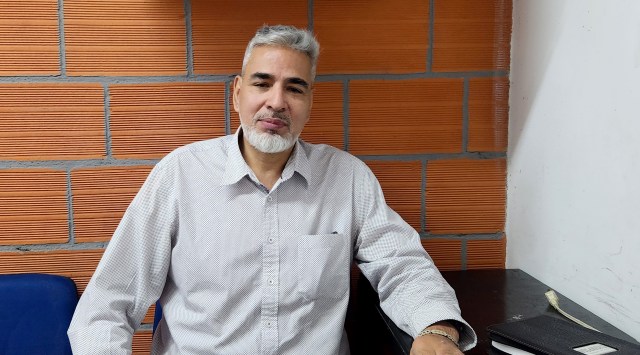 Image courtesy of Hernán Restrepo
When news of Maduro’s ouster reached him, Cardozo’s first thought went to his family in Caracas. Yet he also felt relief, believing that God’s justice had finally arrived. He noted that a violent disruption is often needed to change the status quo in long-standing dictatorships.
“Nothing will change until a disruptive element begins. In Venezuela, that disruption began with Maduro’s capture,” Cardozo said. “What I see Trump really seeking is to first introduce a disruptive element so that there can be a transition, without the country falling into total anarchy.”
He noted that he and his wife would be open to returning to Venezuela if things change; however, it’s currently too dangerous for them. “But I’m very excited about the idea of returning, not only to continue my ministry as a preacher in the Armed Forces but also to contribute with my knowledge to the reconstruction of Venezuela,” he said.
At the end of Casa Sobre la Roca’s service, the pastor invited those attending the church for the first time to receive Jesus into their hearts. Frank González, the Venezuelan migrant, stepped forward with tears in his eyes. Jonathan Coche-Vásquez remained seated. His feet hurt too much for him to stand up. But both said they prayed the prayer of faith.
Would they return to Venezuela if things turn out well? “Of course,” González replied as he and Coche-Vásquez lifted their garbage bags and resumed their journey toward Bogotá. “That’s where our home is. That’s where our family is.”
Correction: An earlier version of this article named the wrong nonprofit that Ediober González said recommended abortions to migrants.