Maria Shingi woke up one morning a decade ago with body aches. Then friends noticed she had gained weight and advised her to get a pregnancy test. Shingi, then 30, stopped at the pharmacy on her way home from her administrative job at the Nigerian embassy in Harare, Zimbabwe, to buy one. Fear gripped her as two lines formed on the test. She was pregnant.
“It was the most devastating experience,” Shingi recalled. “I cried. I really cried.”
The baby’s father, an official at the embassy, was 20 years older than her and already had a wife and children back in Nigeria. He and Shingi started having an affair after she reported another superior’s sexual harassment to him and sought his advice. Shingi, a Christian, acknowledges the relationship was wrong.
Although the father was willing to take responsibility, Shingi wasn’t ready to bear the stigma of a child outside marriage or “belong to a polygamous union,” she said. So she found a licensed medical doctor who also performed illegal abortions.
The doctor assured her an abortion would be fast and pain-free. He told her the child wasn’t formed yet at four to six weeks and was “merely blood.” He didn’t mention how the procedure might affect her mind and emotions.
Three days after the abortion, Shingi began to bleed. The doctor gave her some medication, but it didn’t stop the bleeding. Then she visited a different gynecologist who explained to her fetal development and what an abortion entailed. Guilt overwhelmed her: “I began to realize … it was a real human. I had killed a human being.”
The abortion procedure haunted her. Shingi fell into depression and had suicidal thoughts, which she tried to escape by drinking alcohol. Still, she couldn’t shake the trauma.
“I couldn’t heal,” Shingi said.
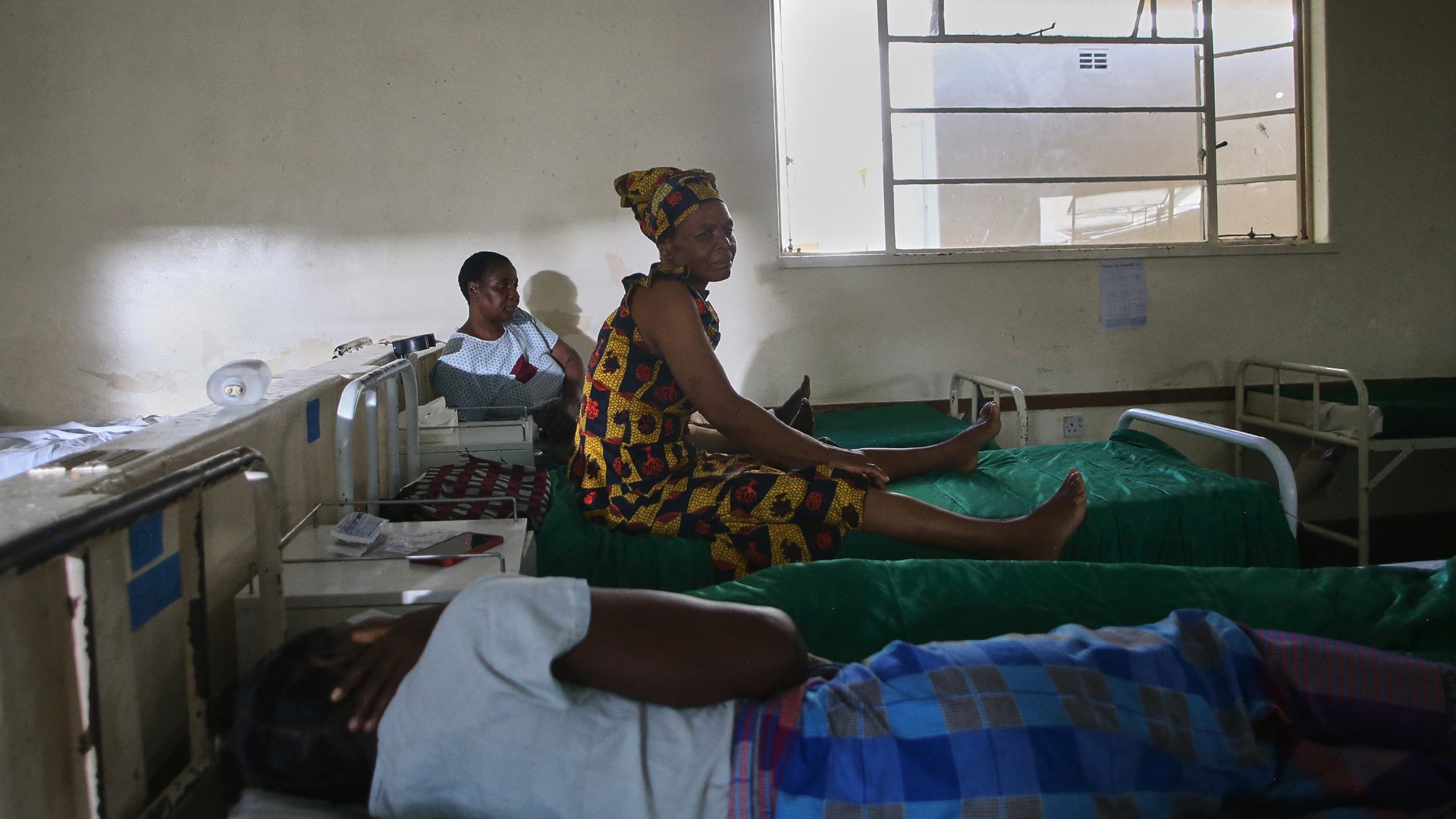
Now she fears a new bill under consideration in her country will remove restraints and push other women to make the same choices she made. In October, Zimbabwe legislators passed the Medical Services Bill, which would roll back abortion restrictions, through its National Assembly. It now heads to the Senate for debate.
Pro-life advocate Albert Dhafana said it will “take a miracle” for the Senate to block the bill’s passage, but he hopes churches and Christian senators will push back, as about 85 percent of Zimbabweans identify as Christian. “There is a little glimmer of hope among the Christians,” Dhafana said. “These are the only people that can make a difference.”
Zimbabwe’s current abortion law—the 1977 Termination of Pregnancy (TOP) Act—only allows abortion in the cases of rape and incest, risk to the life of the mother, or risk of physical or mental defects in the child. If signed into law by President Emmerson Mnangagwa, the new bill would gut the TOP Act and allow on-demand abortion anytime up to 12 weeks of gestation and up to 20 weeks in cases of a threat to the woman’s health, mental well-being, or socioeconomic stability. About half of Zimbabwe’s population lives below poverty line.
“We are very afraid that in addition to going against the principle of life and human dignity, it just makes humans so dispensable—just like trash,” Dhafana said. “We really can’t imagine where this will end.”
Despite being illegal, abortions are already common in Zimbabwe. A 2019 study found that half of pregnancies “ended in intended birth, 24% in unintended birth, 16% in miscarriage, and 10% ended in abortion.” Researchers attributed this to gaps in contraceptive use and access, low socioeconomic status, and lack of sex education.
Zimbabwe doesn’t have many pro-life resources for women in crisis, and the handful that exist are poorly funded, according to Dhafana. Meanwhile, activists lobbying for legal abortion have gained strength through years of practice and increased funding. The pro-abortion lobby in Zimbabwe and throughout Africa receives much of its financial support from international family planning organizations such as the Gates Foundation and MSI Reproductive Choices (formerly Marie Stopes International).
Dhafana said Sweden and the UK are also pushing for the legalization of abortion in Zimbabwe through a network of pro-abortion organizations influencing lawmakers.
“These [pro-abortion activists] are people who have obviously been paid,” he said. “These are efforts to change our culture of preserving life.”
Local pro-abortion organizations such as Zimbabwe Human Rights Commission have systematically worked to dismantle the country’s abortion restrictions for years. They achieved a breakthrough in 2024 when the Zimbabwe Ministry of Health and Childcare released new comprehensive abortion guidelines that adopted World Health Organization abortion protocols and allowed nurses and midwives to perform first-trimester abortions.
Then in November, just after the Medical Services Bill passed the National Assembly, Zimbabwe’s High Court chipped away at the long-standing TOP Act. Justice Slyvia Chirawu-Mugomba declared parts of the TOP Act unconstitutional and said it treated women with mental health challenges and victims of rape unfairly by considering only physical reasons as valid for abortion access.
But, pro-life activists argue, Chirawu-Mugomba didn’t address the psychological harm abortion has caused to women like Shingi. Neither do organizations such as Safe Abortion Fund, an international group operating in Zimbabwe whose documentaries seek to influence policymakers by telling the stories of women who experienced unsafe abortions.
The Zimbabwe Heads of Christian Denominations (ZHOCD) group warned in a statement that the bill would weaken safeguards against exploitation and “open the door to late-term abortions under broad mental-health provisions and potentially enable sex-selective or disability-based abortions.”
The bill also proposes expanding abortion access for minors without parental consent or magistrate approval. Advocates of the bill claim this will remove bureaucratic delays that cost lives. Christians say it isolates teens in need of community.
“Many of the girls are vulnerable at that moment,” Shingi said. “They need support and honesty—this bill takes away that possibility.”
Shingi believes the church needs to step up to provide support and proactive advocacy. After her abortion and subsequent alcoholism, she turned to a WhatsApp group called Hot Seat Confessions—where members anonymously ask for advice about domestic issues such as cheating spouses—for the support she didn’t find in church. There she met an 18-year-old girl who’d had three abortions in two years and was planning another. Shingi persuaded her to have the baby instead.
“A lot of people can be helped if people like me speak up,” she said
Shingi said churches provide few or no forums for women to ask questions and receive counsel. Meanwhile, both single and married women are aborting their babies. “It’s a problem the church should take seriously.”
Even after finding forgiveness in Christ, Shingi said her alcoholism lingered. She finally stopped drinking after a church member referred her to an addiction counselor. She’s been sober for four years now.
When Shingi learned about the Medical Services Bill in December, she quickly wrote a letter to the National Assembly telling her story and protesting the impending bill. She asked leaders to reckon with “the silent aftermath they will never legislate away” and said that for her, healing came only through repentance.
“When abortion is legalized, what is legalized is not only a procedure but a lie: that abortion resolves crisis, that it liberates women, that it averts mental health, that it leaves no permanent mark,” Shingi wrote. “I am here as living evidence that this is untrue.”