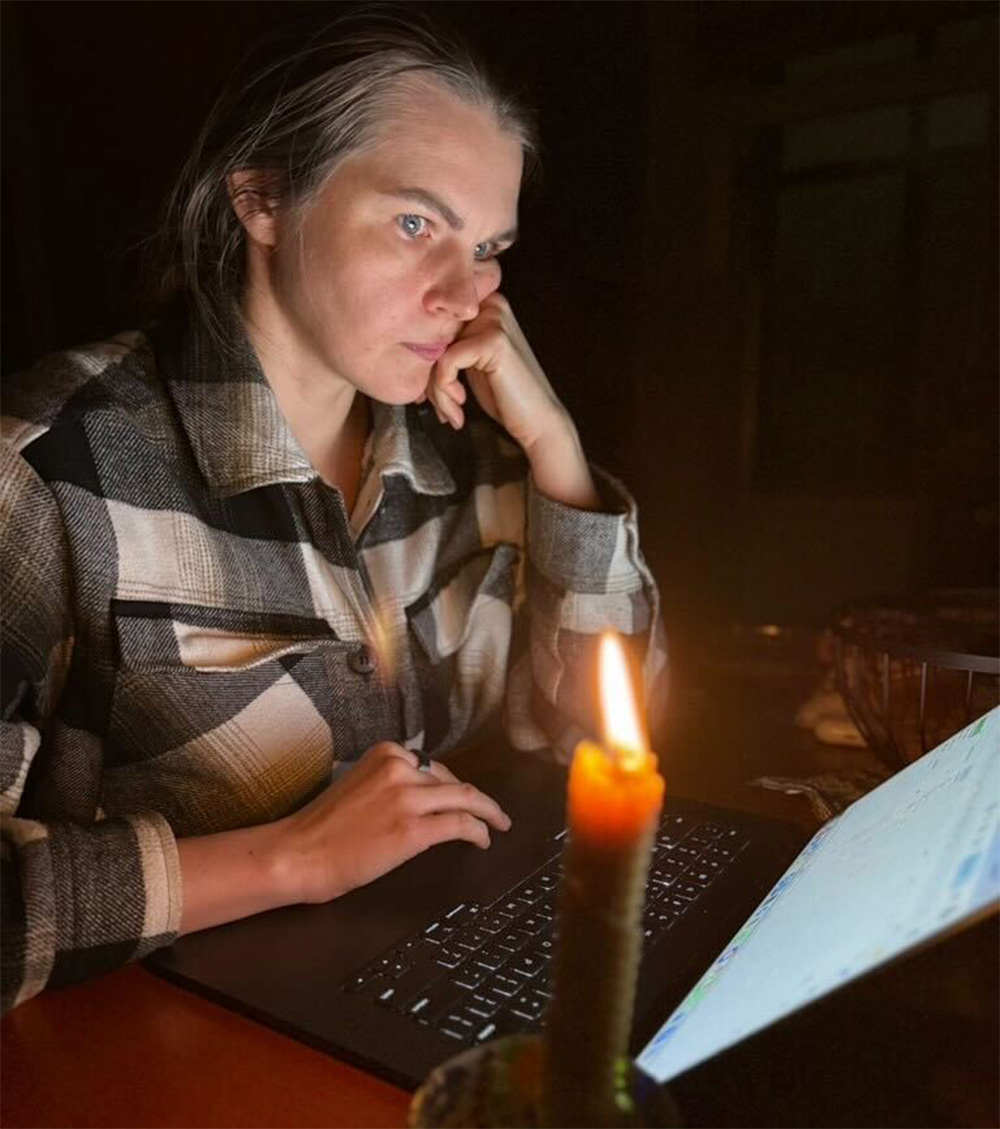
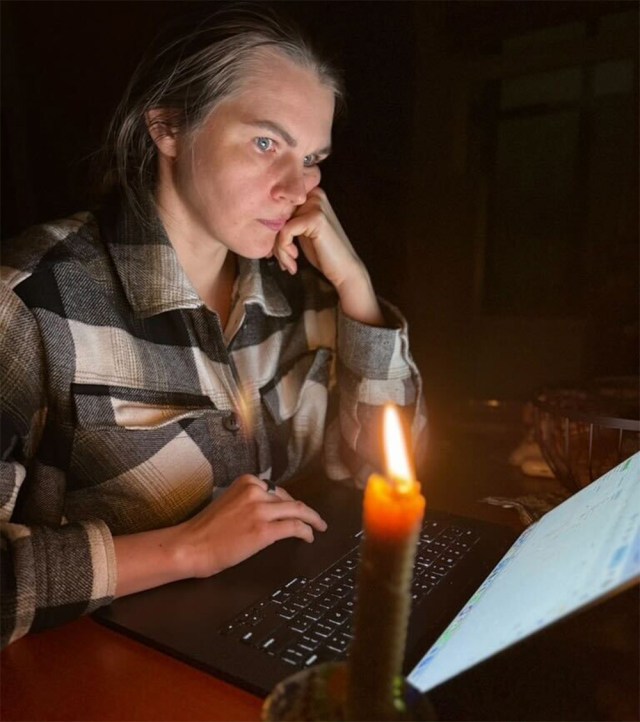
Nearly every day, Anna Ulanovska hears the whine of Russian drones from her home in the Ukrainian countryside outside Sumy, a northeastern city just 12 miles from the war’s frontline.
Her 7-year-old son has little memory of life before Moscow’s drones—the smaller remote-control quadcopters and the larger Iranian-made Shahed drones—became a constant threat in their region. Missile attacks have repeatedly hit Sumy, contributing to the rising civilian death toll.
“We are under constant pressure here. That’s our reality now,” Ulanovska said. “But we can’t put our lives on hold.”
Amid ongoing stress and trauma, many Ukrainians have tried to preserve a sense of normalcy since the full-scale war began on February 24, 2022. Despite safety concerns, Ulanovska traveled to Kyiv in mid-February for a two-day Christian women’s conference.
She joined seven women from her Pentecostal church, Christ for Everyone, and traveled by bus—avoiding the railway system Moscow has repeatedly targeted in her region. They gathered with about 120 women from across the country to listen to biblical teaching from pastors’ wives and other Christian women. “It was kind of a refreshment for me,” she said.
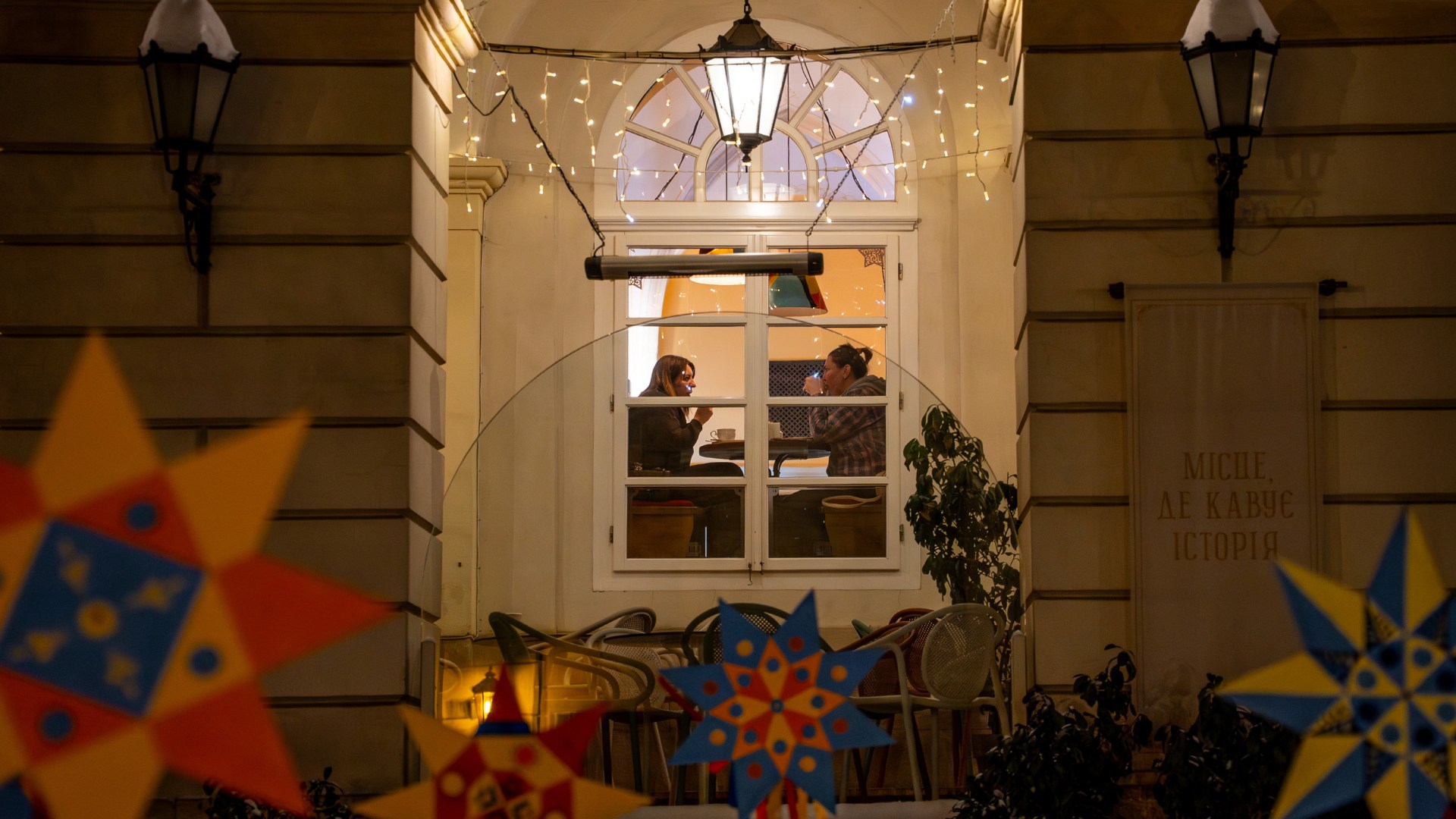
Back home, Ulanovska sees signs of ordinary life persisting amid the grief and fear of war. Beauty salons remain open. Grocery stores are somewhat busy and well stocked. Children enjoy sledding on freshly fallen snow. Last year, her teenage daughter invited ten friends to celebrate her birthday with bowling and roller-skating.
 Courtesy of Steven Moore
Anna Shvetsova, chief operating officer of the nonprofit Ukraine Freedom Project, has witnessed similar efforts to embrace life. Her 89-year-old grandmother lives in a small city in the Sumy region and struggles to walk yet still attends church every Sunday—even when the electric grid is down and temperatures plummet. She explained to Shvetsova that to get to church she “just needs to walk 100 meters and then she is able to catch a bus.”
Other examples of normalcy during wartime strike Shvetsova as somewhat humorous. After she returned to Kyiv from a work trip abroad earlier this month, one of her organization’s assistants described how Russian strikes on the energy grid had affected daily life.
“She tells me how they were for four days with no electricity, with no water, and she’s telling me all this, and she has a fresh manicure!” Shvetsova said. In Kyiv, she added, most coffee shops, restaurants, and nail salons continue operating, even during blackouts.
Still, Ukrainians are war weary. Many, including Ulanovska and Shvetsova, are skeptical of ongoing negotiations, which they believe Russia is using to buy time. The United States brokered its third round of peace talks in Geneva last week. Both sides described the negotiations as “difficult.” Kyiv and Moscow remain divided over key disagreements, including territorial concessions and security guarantees.
Russian president Vladimir Putin has demanded Ukraine hand over territory it still controls—roughly the size of Delaware—in the eastern Donetsk region. Ukrainian president Volodymyr Zelensky has suggested the idea of a demilitarized zone instead and called for Western security guarantees to ensure Moscow can’t rearm and seize more of Ukraine in the future.
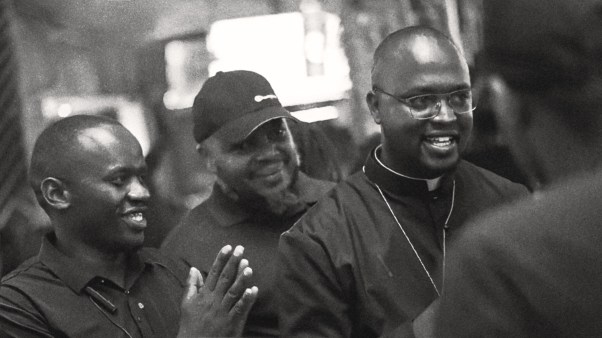
Some analysts argue the enforcement of effective sanctions can pressure Russia into concessions. “Russia is a gas station with an army,” said Steven Moore, founder of Ukraine Freedom Project and an American Christian who lives in Kyiv. “If you cut off the gas revenue, then the army withers.”
Russia occupies roughly 20 percent of Ukraine’s territory. Since 2024, it only made marginal gains of less than 1.5 percent of Ukrainian land. Yet since the full-scale invasion began four years ago, Moscow suffered between 275,000 and 325,000 battlefield fatalities, more losses than any nation in any war since WWII.
Ukrainians have suffered immensely, with civilians describing Russian war crimes, abductions, and torture. According to the United Nations, 2025 was the deadliest year for Ukrainian civilians since 2022. Russia fired more than 54,000 drones and nearly 2,000 missiles at Ukrainians cities, killing more than 2,500 civilians.
Moscow has also weaponized winter, striking Ukraine’s energy infrastructure as temperatures plunged to a 16-year low last month.
“In January and February, Russia launched the worst attacks on the Ukrainian electricity grid, and heating systems collapsed because heating cannot work without electricity,” Ulanovska said.
In late January, Kyiv mayor Vitali Klitschko said 5,600 apartment buildings had lost heating and urged residents to leave the city if possible. More than 600,000 of the capital’s 3 million people temporarily relocated. Some who stayed set up tents inside their homes and piled on layers of clothing.
Some residents fought despair by organizing evening block parties, pooling together their camping grills for cooking, warmth, and conversation. Spontaneous dance parties popped up around the city, and children bundled up to enjoy sledding.
Shvetsova said she left the city February 1 and stayed with her parents in the Sumy region, where they had a wood-burning stove to keep warm. Still, she said they had electricity for only two hours a day—not enough time to charge the battery system she had bought for them. Many Ukrainians are solving this problem by installing solar panels and charging the batteries with generators, she added.
While she was traveling back to Kyiv on February 9, her neighbors called to inform her that the cold had caused the radiator in her apartment to burst, flooding through her balcony and onto the street. She moved to a hotel for several days.
Despite the host of challenges, Ukrainians continue on. Many of Shvetsova’s friends bought high-end batteries and stayed in Kyiv. As Shvetsova walks along the city sidewalks, she hears the hum of generators—lifelines for residents and local businesses.
Her friends serving in the military emphasize the importance of normalcy when they return home on leave. Often they host parties at restaurants. “There is no reason to fight if we give up on celebrations, birthdays, and church,” Shvetsova noted. “What are we fighting for?”
Ulanovska recalled the first day of the war on February 24, 2022. She could see the Russian tanks from her home near Sumy. “If somebody had told me that it would last for this long—four years and it hasn’t ended yet—I wouldn’t believe that we would be able to survive through all these trials and tribulations and attacks, terrible days and nights, and losses,” she said.
Now she looks back and believes God has been with her family, teaching them to trust him even as drones fly overhead. “We’ve started living according to the Scriptures—we don’t worry about tomorrow,” Ulanovska said. “There’s enough for today.”