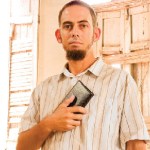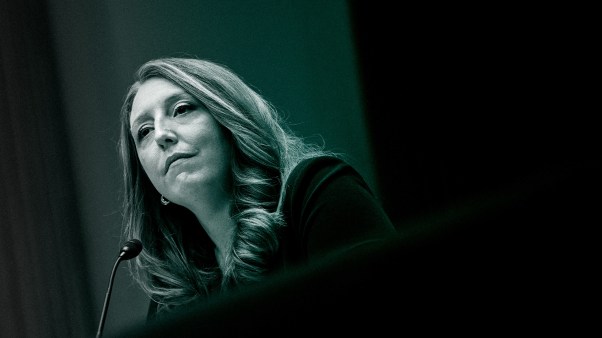
Forty-year-old Moisés Pérez Padrón, who has lived in Cuba his whole life, says he’s never seen a worse crisis than the one the country is currently facing.
“The streets are full of garbage. You see children and elderly people searching for food or something they can sell among the trash,” said Pérez Padrón, director of Trans World Radio’s (TWR) office in Cuba. “Power outages last more than 12 hours a day, and families are destroying furniture in their homes just to use the wood for cooking.”
Born into a Christian home, Pérez Padrón is the son of the administrator of the only Baptist nursing home in western Cuba. He studied at the Havana Baptist Theological Seminary, where he now serves as vice rector. He is also copastor of Salem Baptist Church in Arroyo Apolo, a neighborhood in southern Havana.
Each day, Pérez Padrón enters a recording studio to produce Messages of Faith and Hope, a five-minute devotional podcast he sends out through Facebook and WhatsApp groups. His voice is also heard on the radio through TWR’s broadcasts from the Caribbean island of Bonaire on the 800 AM frequency.
In recent weeks, his messages have focused on placing hope in God rather than in political leaders. Quoting Isaiah 28:16, he emphasized the firmness of Christ, the precious cornerstone.
“Let us build on the solid rock,” he said. “Let us trust in Christ and his Word—not in political agreements or false religions, but in him.”
On January 29, president Donald Trump signed an executive order threatening tariffs or sanctions on any country that sends oil to Cuba, attempting to force the Communist-run island into making significant political and economic reforms. Four months earlier, hurricane Melissa swept through Cuba’s five provinces, displacing more than 735,000 people while destroying homes and basic infrastructure. In additional, Cuba faces a sharp population decline due to low birth rates and the mass exodus of young people.
Amid the chaos, churches and Christian ministries have stepped in to provide food, clothing, hygiene products, and above all, spiritual comfort. About 85 percent of Cuba’s population identify as Christians, according to the World Christian Database. Most are Catholic, while about 11 percent are evangelical. Despite facing persecution, including arbitrary detentions, threats, and harassment (see sidebar), Christians are largely able to worship freely in the country.
“You can go to the churches; the churches are open, and the government knows where they are. There’s no impediment to holding services in those churches on Sundays,” said Pérez Padrón. “But the real problem in Cuba regarding religious expression is that … space is limited. You can’t just go and build a new church.”
One of the most consistent Christian ministries has been Mennonite Central Committee (MCC), which has worked in Cuba for 43 years and currently supports five social programs carried out by the Association of Brethren in Christ (BIC) churches and the Christian Center for Reflection and Dialogue, a Christian organization that promotes human rights and supports vulnerable populations.
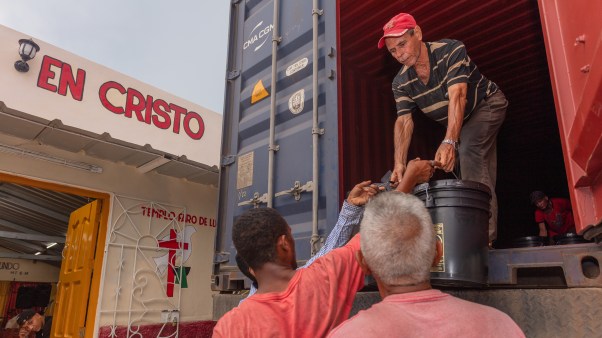
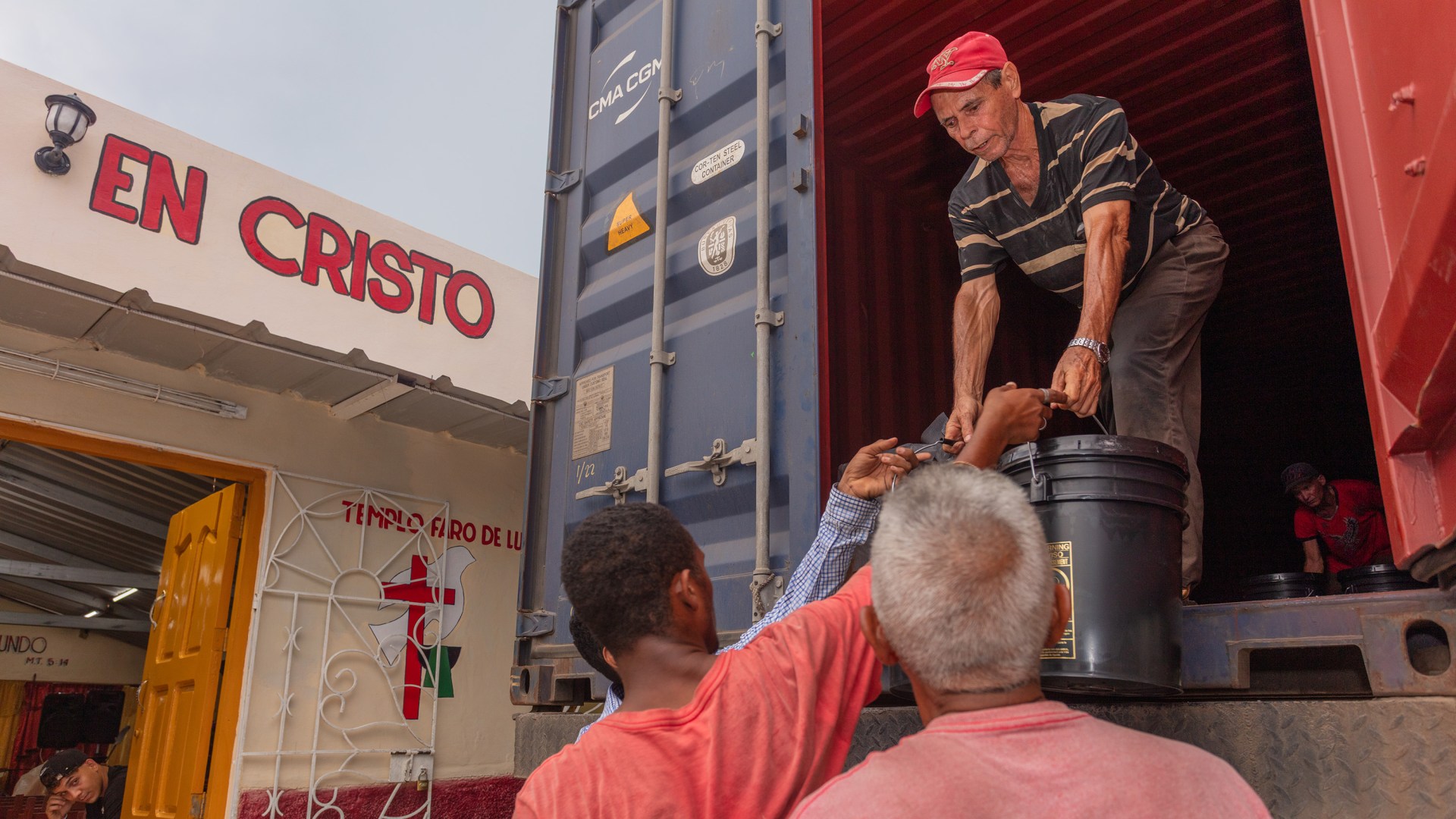
In the past year, MMC sent six shipping containers of humanitarian relief to Cuba, which included canned meat, relief kits, feminine hygiene products, infant care kits, school supplies, laundry detergent, and bed sheets.
Jacob Lesniewski, MCC’s regional codirector for South America, Mexico, and Cuba, is based in Mexico City but often visits the island, most recently in January. What he saw left him heartbroken.
“When you arrive in Havana, you can tell something isn’t right,” he said referring to the streets full of garbage, frequent blackouts, and lack of fuel at gas stations. “But it’s nothing compared to what you begin to see as you travel farther east. Entire cities look like ghost towns. There are factories, schools, and hospitals that once functioned but now stand empty and severely deteriorated.”
An outbreak of chikungunya—a viral disease spread by mosquitos that is easily treated with the painkiller acetaminophen—has infected more than 50,000 people since November 2025 and caused 55 deaths due to the shortage of medicine.
Lesniewski acknowledges the enormous logistical challenges involved in delivering aid. Since the oil embargo, the BIC congregations could not use trucks to distribute supplies. Instead, supplies had to be transported in carts pulled by underfed horses. Gasoline is sometimes available, but it must be purchased in dollars instead of Cuban pesos and is extremely expensive.
Yet the bureaucratic process of bringing supplies into the country proved surprisingly simple.
“You would think that in a Communist country, there would be endless obstacles,” he said. “But it’s quite the opposite—they are eager to receive help.”
Mayra Espino, a 70-year-old sociologist and researcher at the Christian Center for Reflection and Dialogue, has had numerous opportunities to leave Cuba as she served as a visiting professor in Spain, Honduras, and the United States. Yet she has chosen to remain.
Her decision reflects what Lesniewski calls “the stubborn resilience of Cubans.” Despite everything, many love their island and continue to find ways to cope with the crisis.
As a scholar, Espino identifies three main causes behind the current situation.
“The difficulties we are experiencing began even before Trump’s oil blockade,” she said. “First, the emigration of skilled professionals accelerated after the pandemic. Second, the current government has been unable to offer opportunities to the population. And third, the economic blockade has caused many businesses—especially in tourism—to collapse.”
Evangelical Christians, she notes, have gained a reputation for their social work on an island frequently hit by hurricanes. After four devastating hurricanes struck Cuba in 2008, local churches repaired the roofs of their non-Christian neighbors before fixing those of their own members—a gesture that earned them newfound respect.
“In a country where the state can no longer provide basic services like health care and education, Christian churches have become essential spaces for society—not only to receive humanitarian aid or spiritual comfort, but also to build community,” Espino said.
Fuel shortages have also led to public outrage over corruption. An investigation by the Miami Nuevo Herald revealed that Cuba resold 60 percent of the Venezuelan oil it received to China, with the proceeds allegedly lining the pockets of Cuban Communist Party leaders.
Amid growing frustration and despair, Pérez Padrón worries most about the safety of his family. He and his wife have two daughters, ages 5 and 6. As hunger rises, crime has also increased, especially in large cities such as Havana and Santiago, he said.
His voice breaks as he explains how he tells his daughters why the family has chosen to remain in Cuba rather than leave.
“We don’t tell them all the details of what’s happening, so they won’t worry,” he says. “In the middle of the hardships we face, we show them that there are still reasons to thank God. I have a job. They can go to school. God is good.”